Sambalpur, located in western Odisha along the banks of the Mahanadi River, is a fascinating destination known for its ancient temples, magnificent Hirakud Dam, beautiful waterfalls, traditional Sambalpuri handloom textiles and rich cultural heritage. From spiritual experiences at Maa Samaleswari Temple to scenic views of Hirakud Reservoir and wildlife adventures in nearby Debrigarh Wildlife Sanctuary, Sambalpur offers something for every kind of traveller.
Whether you are planning a weekend getaway, a family holiday, a pilgrimage, or an extended nature trip, this Sambalpur Travel Guide 2026 will help you discover the best places to visit in Sambalpur, how to reach the city, the ideal time to travel, and practical 2- to 4-day itineraries.
Unlike some of Odisha’s more crowded tourist destinations, Sambalpur offers a refreshing mix of cultural experiences, riverside landscapes, and relatively peaceful sightseeing.
Travellers can explore historic temples, admire the engineering significance of Hirakud Dam, discover traditional handloom markets and extend their journey to waterfalls and wildlife destinations around western Odisha.
If you prefer a planned holiday with private transportation and accommodation, Tourism Orissa offers several Sambalpur tour packages designed for different travel durations and interests.
Where Is Sambalpur Located?
Sambalpur is an important city in western Odisha, situated along the Mahanadi River. It is known for its religious heritage, handloom industry, regional traditions and proximity to Hirakud Dam.
The city serves as a convenient base for exploring nearby attractions such as Huma Leaning Temple, Ghanteswari Temple, Chiplima, Gudguda Waterfall and Debrigarh Wildlife Sanctuary.
Sambalpur is connected by railway and road networks to several important cities in Odisha and neighbouring states. Jharsuguda Airport provides an air travel option for visitors arriving from farther destinations.
Sambalpur Travel Information at a Glance
| Travel details | Information |
|---|---|
| State | Odisha |
| Region | Western Odisha |
| Major river | Mahanadi |
| Famous for | Hirakud Dam, Maa Samaleswari Temple, Sambalpuri sarees and temples |
| Nearest convenient airport | Veer Surendra Sai Airport, Jharsuguda |
| Major railway station | Sambalpur Junction |
| Recommended duration | 2–4 days |
| Best time to visit | October to February |
| Popular nearby attractions | Hirakud Dam, Huma Temple, Ghanteswari Temple, Chiplima, Gudguda Waterfall and Debrigarh |
| Suitable for | Families, couples, pilgrims, nature lovers and cultural travellers |
Best Places to Visit in Sambalpur
Sambalpur has a variety of tourist attractions ranging from sacred temples and impressive engineering landmarks to waterfalls, wildlife habitats and traditional markets.
Here are some of the most important places to include in your Sambalpur sightseeing itinerary.
1. Hirakud Dam
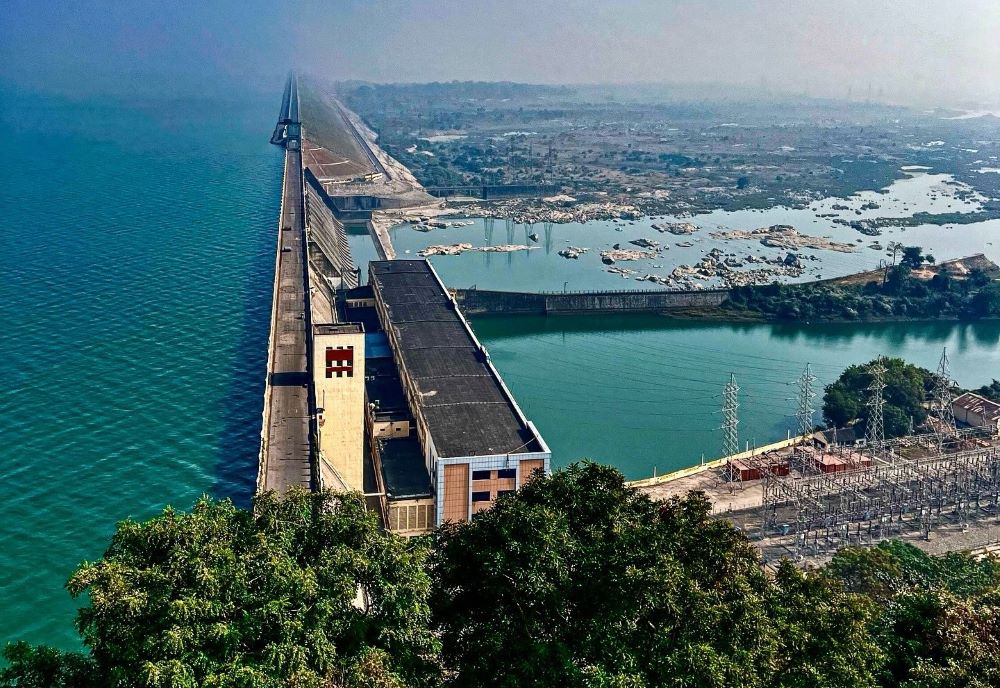
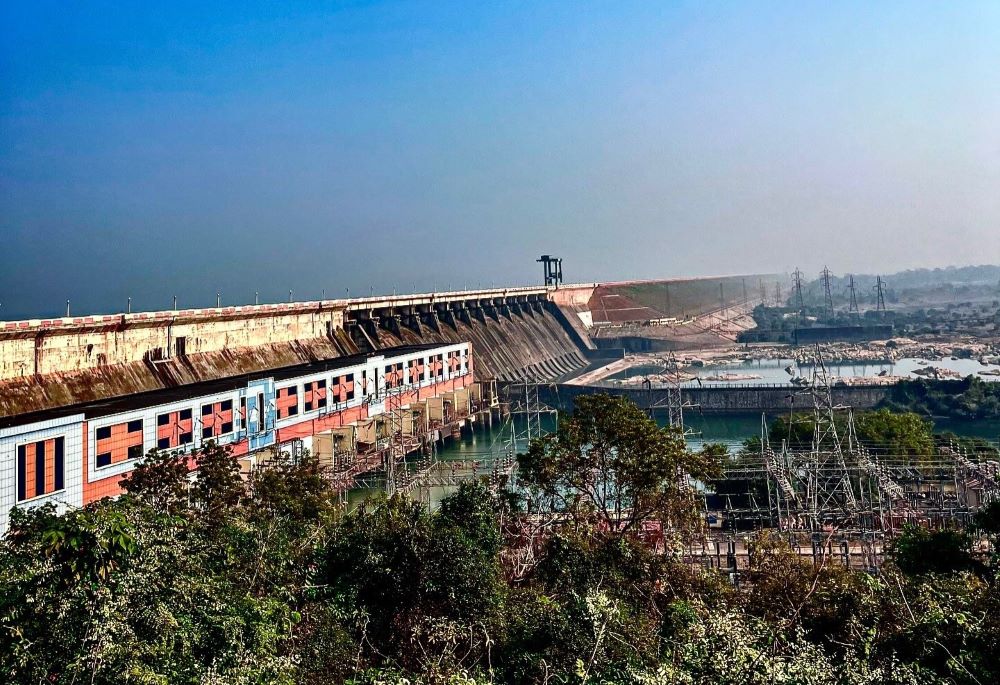
Hirakud Dam is undoubtedly one of the most famous tourist attractions in Sambalpur. Built across the Mahanadi River, the dam is an important multipurpose river valley project and one of Odisha’s most recognisable engineering landmarks.
Located approximately 15–16 km from Sambalpur city, Hirakud Dam offers beautiful views of its vast reservoir, surrounding hills and scenic landscapes.
Visitors can enjoy panoramic views from permitted observation points, including Gandhi Minar and Jawahar Minar, depending on current access arrangements.
The reservoir and its surroundings are particularly attractive for landscape photography and peaceful sightseeing.
Travellers should check the current opening hours and restrictions before visiting the viewpoints.
For detailed information about viewpoints, permitted activities and sightseeing tips, read our Hirakud Dam Travel Guide.
2. Maa Samaleswari Temple
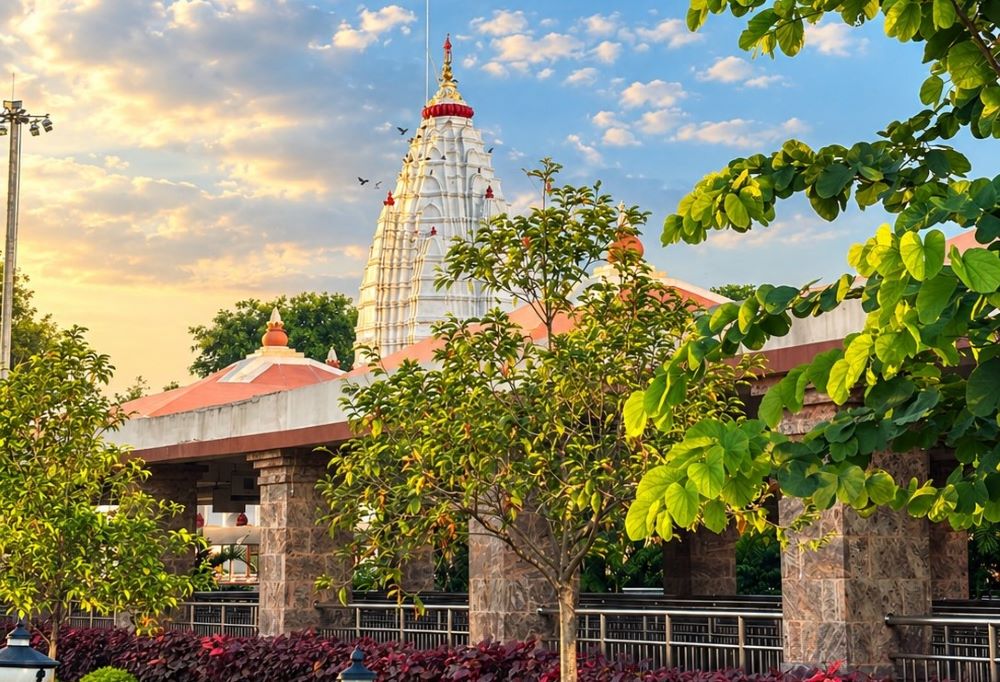
Maa Samaleswari Temple is one of the most important religious destinations in western Odisha.
Dedicated to Goddess Samaleswari, the presiding deity of Sambalpur, the temple holds immense spiritual and cultural significance for local communities.
Situated near the Mahanadi River, the temple attracts devotees throughout the year, particularly during major festivals such as Nuakhai and Navratri.
Visitors can offer prayers, admire the traditional temple architecture and experience the spiritual atmosphere of this sacred destination.
Maa Samaleswari Temple is generally one of the first places travellers visit when exploring Sambalpur.
3. Huma Leaning Temple
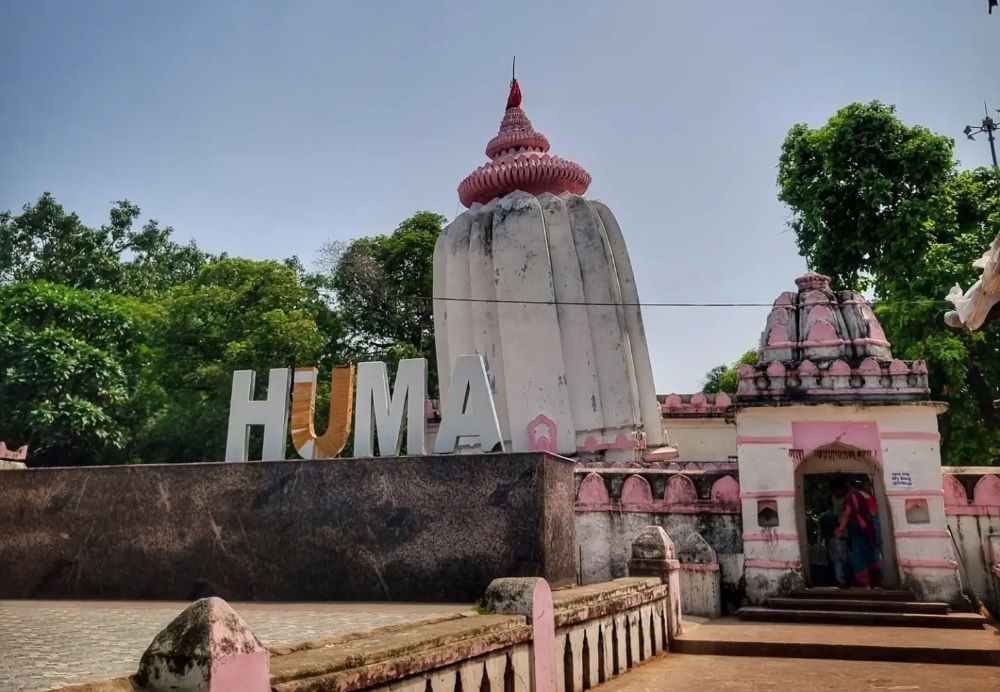
Huma Leaning Temple is one of Sambalpur’s most distinctive religious landmarks.
Located approximately 25–26 km from Sambalpur, the temple is dedicated to Lord Shiva and stands beside the Mahanadi River.
The temple is widely recognised for its unusual leaning structure, which makes it an interesting attraction for pilgrims, architecture enthusiasts and sightseeing visitors.
Its peaceful riverside surroundings add to the charm of the destination.
Visitors may also observe fish in the nearby river, traditionally regarded as sacred by local devotees.
Huma Temple is an important stop on longer Sambalpur sightseeing itineraries.
4. Ghanteswari Temple
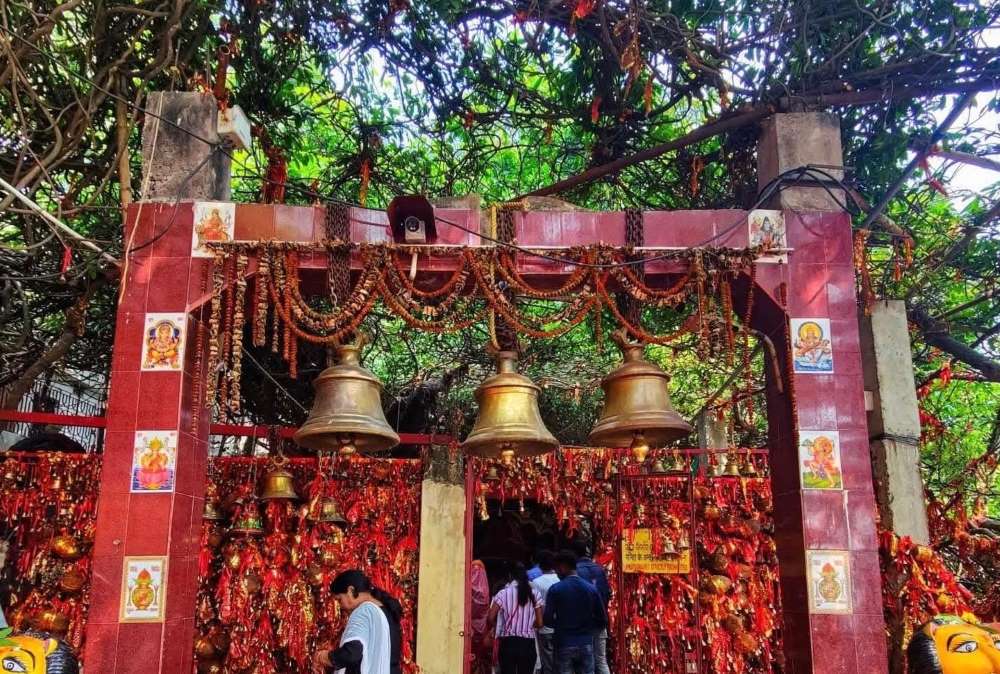
Ghanteswari Temple is another popular religious attraction near Sambalpur.
The temple is famous for the numerous bells offered by devotees, creating a distinctive spiritual atmosphere.
The shrine is also associated with the historical navigation of the Mahanadi River, as bells were traditionally linked with warnings to river travellers.
Ghanteswari Temple is often included in Sambalpur sightseeing tours along with nearby Chiplima.
Visitors can experience the religious significance of the temple while enjoying the surrounding river landscapes.
5. Chiplima
Chiplima is a scenic destination near Sambalpur, known for its association with the Mahanadi River and the Chiplima hydropower project.
The surrounding landscape features river views, greenery and peaceful countryside.
Travellers visiting Ghanteswari Temple can consider exploring accessible areas around Chiplima, depending on local permissions and available time.
Chiplima is generally more suitable for travellers planning a two- or three-day Sambalpur itinerary rather than a rushed day trip.
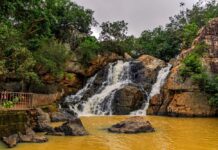
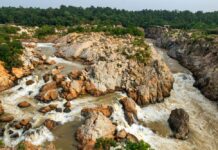
6. Gudguda Waterfall
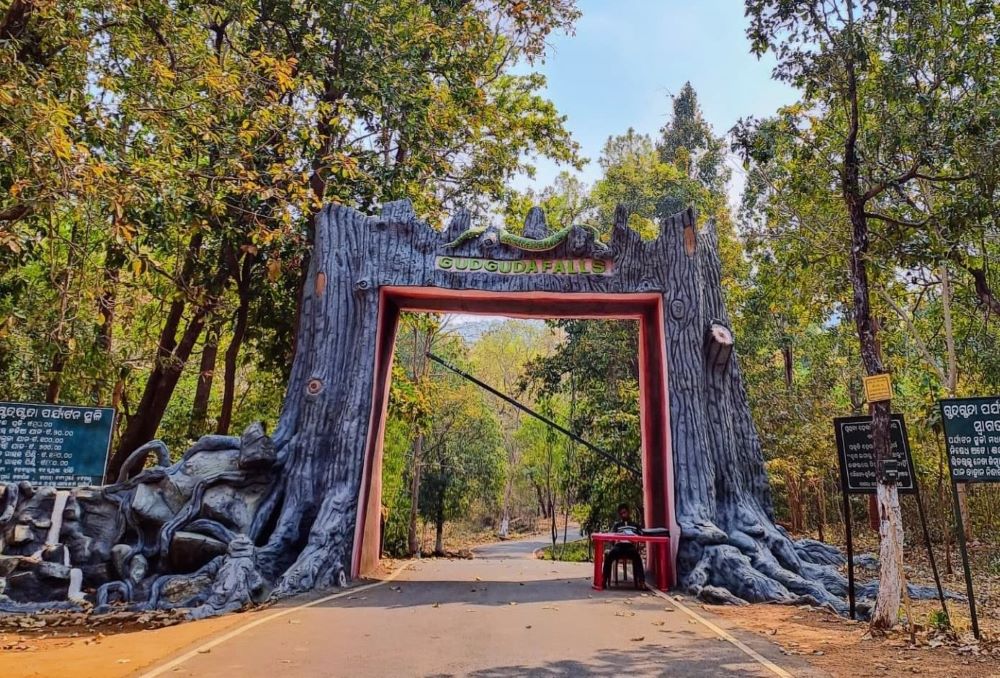
Gudguda Waterfall is a beautiful nature destination located in the wider Sambalpur region.
Surrounded by forested hills, rocky landscapes and greenery, the waterfall attracts visitors looking for a peaceful escape into nature.
The area is particularly attractive after the monsoon, when the surrounding landscape becomes greener and water flow may be stronger.
However, visitors should exercise caution near slippery rocks and avoid entering unsafe water areas.
Gudguda Waterfall requires a longer road journey from Sambalpur and is best included in an extended itinerary.
Our Sambalpur 3 Nights 4 Days Tour Package includes a dedicated excursion to Gudguda Waterfall.
7. Debrigarh Wildlife Sanctuary
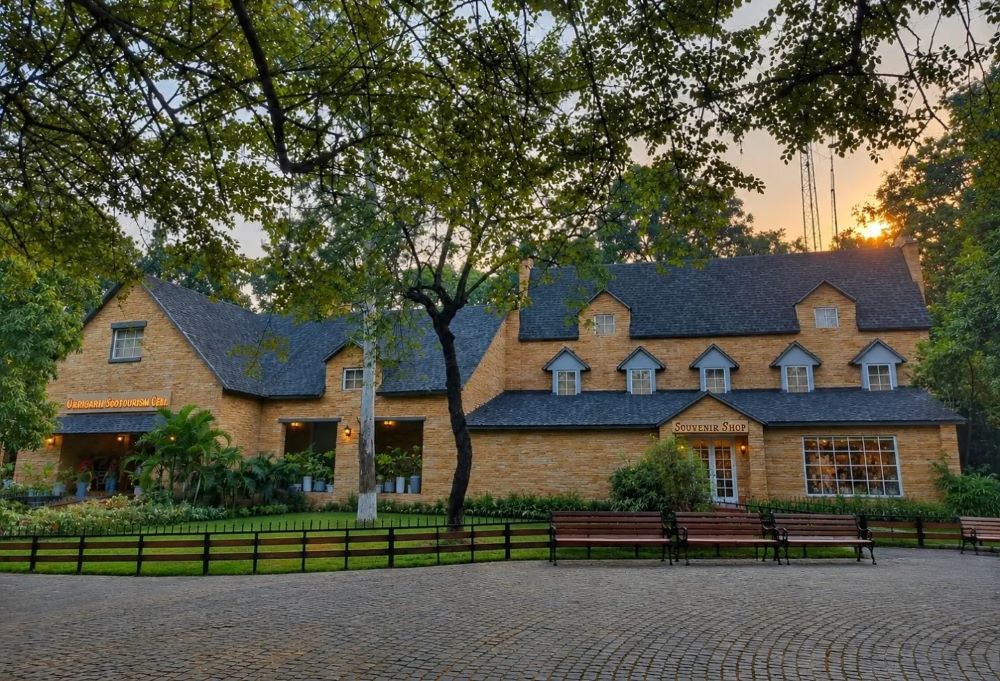
Debrigarh Wildlife Sanctuary is one of the most attractive wildlife destinations near Sambalpur.
Located in Bargarh district near Hirakud Reservoir, the sanctuary is known for its dry deciduous forests, scenic hills, grasslands and diverse wildlife.
Visitors may encounter spotted deer, sambar, gaur, wild boar and various bird species during authorised wildlife safaris.
The sanctuary also offers opportunities for birdwatching, landscape photography and nature-focused holidays.
Travellers interested in exploring Debrigarh should ideally allow at least one night near the sanctuary, although the exact duration depends on their preferred safari experiences.
Our Sambalpur & Debrigarh Wildlife Tour Package – 2 Nights 3 Days combines Sambalpur sightseeing with a wildlife experience.
For detailed safari planning, read our Debrigarh Wildlife Sanctuary Safari Guide.
8. Sambalpuri Handloom Markets
Sambalpur is internationally recognised for its traditional handwoven textiles, especially Sambalpuri sarees.
These textiles are known for their intricate patterns, vibrant colours and traditional tie-dye weaving techniques.
Visitors can explore local handloom shops to discover sarees, dress materials, scarves and other handcrafted products.
Shopping for Sambalpuri textiles is an excellent way to appreciate the region’s artistic traditions and support local craftsmanship.
For more sightseeing ideas, explore our detailed guide to the 15 Best Places to Visit in Sambalpur.
Best Time to Visit Sambalpur
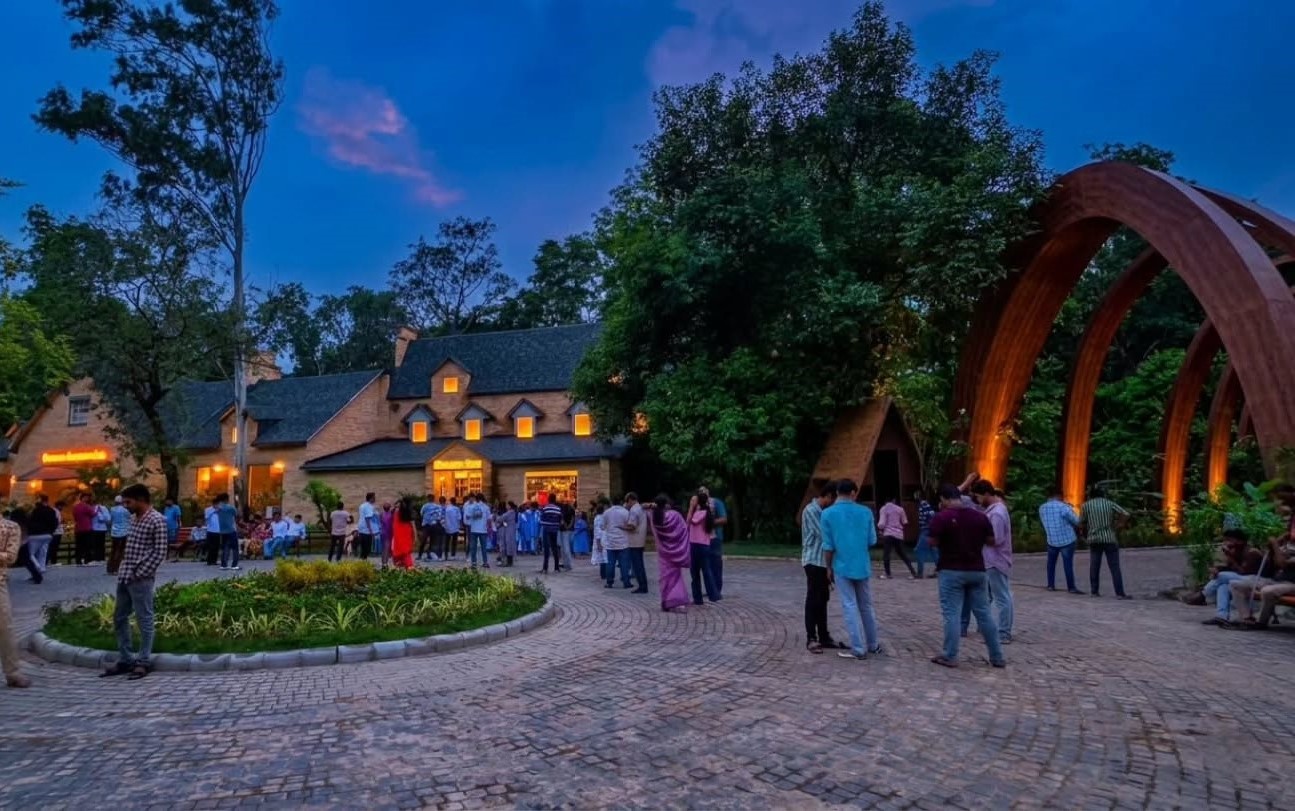
The best time to visit Sambalpur is generally October to February, when the weather is comparatively pleasant for temple visits, sightseeing and outdoor activities. Odisha Tourism also identifies October to March as a suitable visiting period.
October to February – Winter and Peak Sightseeing Season
Winter is an excellent time to explore Sambalpur’s major attractions, including Hirakud Dam, Maa Samaleswari Temple, Huma Leaning Temple and Ghanteswari Temple.
The relatively comfortable temperatures make it easier to travel between different attractions and enjoy outdoor photography.
This season is especially suitable for families, couples, pilgrims and visitors planning a two- or three-day holiday.
March to May – Summer Season
Sambalpur experiences hot weather during the summer months.
Travellers should schedule outdoor sightseeing during the early morning or late afternoon whenever possible.
Carry sufficient drinking water, sunscreen, a hat and comfortable clothing.
Summer may be less comfortable for travellers planning long outdoor excursions.
June to September – Monsoon Season
The monsoon transforms the surrounding hills and countryside into lush green landscapes.
Waterfalls such as Gudguda can become particularly attractive during and after the rainy season.
However, heavy rainfall can affect road conditions, waterfall access and outdoor sightseeing.
Visitors should avoid unsafe water areas and confirm local conditions before travelling.
For a more detailed seasonal comparison, read our Best Time to Visit Sambalpur: Weather, Seasons & Travel Tips.
How to Reach Sambalpur
Sambalpur is accessible by train, road and air, making it a convenient destination for travellers from Odisha and neighbouring states.
How to Reach Sambalpur by Train
Sambalpur Junction is one of the major railway stations serving the city.
Sambalpur is connected by rail to important destinations in Odisha and other parts of India.
Travellers can reach the city by train and arrange a local taxi or private vehicle for sightseeing.
When booking your ticket, check the exact station name because the Sambalpur area is served by multiple railway stations.
How to Reach Sambalpur by Air
Veer Surendra Sai Airport at Jharsuguda is a convenient airport for visiting Sambalpur.
The airport is approximately 55 km from Sambalpur, although the exact road distance depends on your destination within the city.
Flight connectivity varies by route and date, so travellers should confirm available services before planning their journey.
Private airport transfers can be arranged from Jharsuguda to Sambalpur.
How to Reach Sambalpur by Road
Sambalpur is connected by national and state highways to Bhubaneswar, Cuttack, Jharsuguda, Rourkela and other cities.
Travellers can reach Sambalpur by private vehicle, taxi or available bus services.
Road travel is also convenient for visiting attractions outside the city, such as Hirakud Dam, Huma Temple, Ghanteswari Temple and Gudguda Waterfall.
Approximate Road Distances to Sambalpur
| Starting point | Approximate road distance |
|---|---|
| Jharsuguda | 50–60 km |
| Rourkela | 160–180 km |
| Bhubaneswar | 280–310 km |
| Cuttack | 260–290 km |
| Raipur | 280–310 km |
Distances are indicative and vary by starting point, route and road conditions. Check your exact journey before departure.
Sambalpur Itinerary: How Many Days Are Enough?
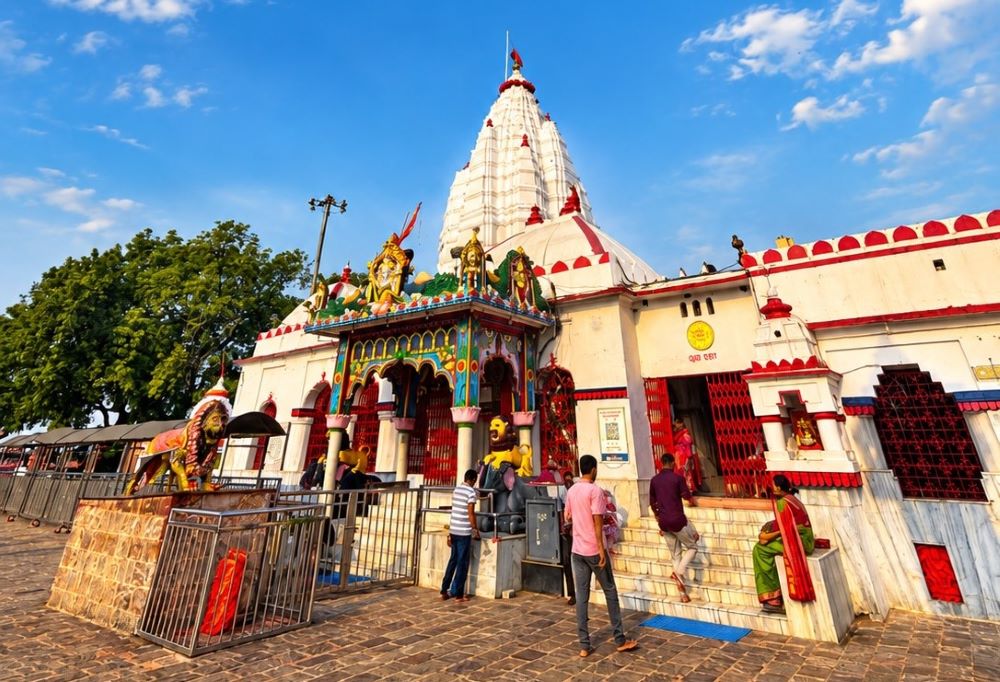
For most first-time visitors, two or three days are sufficient to explore Sambalpur’s major temples, Hirakud Dam and local attractions.
However, travellers who want to visit Gudguda Waterfall or include Debrigarh Wildlife Sanctuary should consider a longer holiday.
Here are some recommended itineraries based on different travel durations.
Sambalpur 1 Night 2 Days Itinerary
This short itinerary is ideal for weekend travellers, families and pilgrims with limited time.
Day 1: Arrival – Maa Samaleswari Temple – Hirakud Dam
Arrive in Sambalpur and check in to your hotel. Visit Maa Samaleswari Temple, followed by Hirakud Dam and permitted viewpoints. Explore local markets and Sambalpuri handloom shops in the evening.
Day 2: Huma Leaning Temple – Ghanteswari Temple – Departure
After breakfast, visit Huma Leaning Temple and Ghanteswari Temple before proceeding to the railway station or airport.
Both temples involve travel outside the city, so this schedule is best for visitors with a late departure.
For the complete itinerary, explore our Sambalpur 1 Night 2 Days Tour Package.
Sambalpur 2 Nights 3 Days Itinerary
A three-day trip is suitable for travellers who want a more relaxed sightseeing experience.
Day 1: Arrival – Maa Samaleswari Temple – Local Sightseeing
Arrive in Sambalpur, visit Maa Samaleswari Temple and explore local markets and handloom shops.
Day 2: Hirakud Dam – Ghanteswari Temple – Chiplima
Visit Hirakud Dam and enjoy reservoir views before exploring Ghanteswari Temple and the Chiplima area.
Day 3: Huma Leaning Temple – Departure
After breakfast, visit Huma Leaning Temple before departing from Sambalpur.
Discover the detailed itinerary in our Sambalpur 2 Nights 3 Days Tour Package.
Sambalpur 3 Nights 4 Days Itinerary
A four-day itinerary allows visitors to explore Sambalpur’s major attractions and include a scenic waterfall excursion.
Day 1: Arrival – Maa Samaleswari Temple – Local Sightseeing
Visit Maa Samaleswari Temple and explore Sambalpur’s traditional markets.
Day 2: Hirakud Dam – Ghanteswari Temple – Chiplima
Explore Hirakud Dam, Ghanteswari Temple and the surrounding Chiplima region.
Day 3: Gudguda Waterfall Excursion
Enjoy a full-day excursion to Gudguda Waterfall, surrounded by forested hills and scenic landscapes.
Day 4: Huma Leaning Temple – Departure
Visit Huma Leaning Temple before proceeding to your departure point.
For the complete itinerary, visit our Sambalpur 3 Nights 4 Days Tour Package.
Sambalpur and Debrigarh Wildlife Tour Itineraries
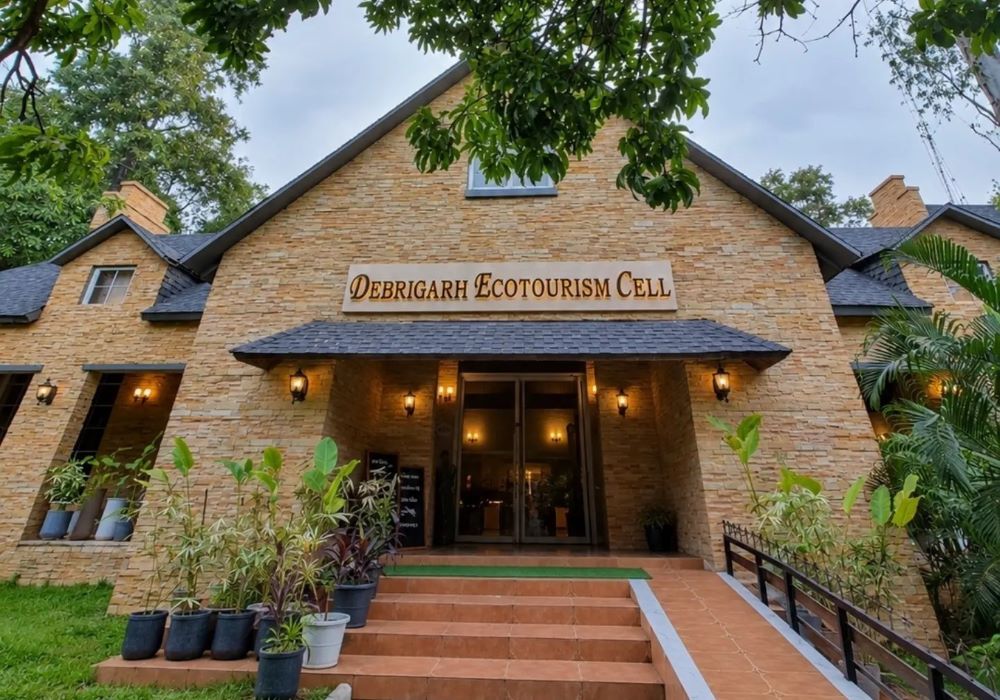
Travellers who enjoy wildlife, birdwatching and nature photography can combine Sambalpur sightseeing with a visit to Debrigarh Wildlife Sanctuary.
Sambalpur & Debrigarh – 2 Nights 3 Days
This itinerary combines the cultural attractions of Sambalpur with a short wildlife experience.
Day 1: Arrival in Sambalpur, Maa Samaleswari Temple and Hirakud Dam.
Day 2: Transfer to Debrigarh Wildlife Sanctuary and enjoy a guided wildlife safari, subject to availability.
Day 3: Morning nature experience and departure.
Explore our Sambalpur & Debrigarh Wildlife Tour Package – 2 Nights 3 Days.
Sambalpur & Debrigarh – 3 Nights 4 Days
This longer itinerary provides more time for wildlife experiences and relaxation.
Day 1: Arrival in Sambalpur, Maa Samaleswari Temple and local sightseeing.
Day 2: Hirakud Dam, transfer to Debrigarh and an afternoon wildlife safari, subject to availability.
Day 3: Morning safari, birdwatching and Hirakud Reservoir nature experiences.
Day 4: Departure from Debrigarh towards Sambalpur or Jharsuguda.
Explore our Sambalpur & Debrigarh Wildlife Tour Package – 3 Nights 4 Days.
Debrigarh Wildlife Tour – 2 Nights 3 Days
If wildlife is your main interest, consider spending the entire holiday near Debrigarh Wildlife Sanctuary.
This itinerary focuses on authorised wildlife safaris, birdwatching, Hirakud Reservoir landscapes and a peaceful nature stay.
Discover our Debrigarh Tour Package – 2 Nights 3 Days.
Things to Do in Sambalpur Beyond Sightseeing
Sambalpur is not only about visiting temples and famous tourist attractions. The city also offers opportunities to experience the traditional culture, cuisine and everyday life of western Odisha.
Explore Sambalpuri Handloom and Traditional Weaving
Sambalpuri handloom textiles are among the most recognisable cultural products of Odisha.
Their intricate patterns and traditional weaving techniques reflect generations of craftsmanship.
Visitors can explore handloom shops in Sambalpur or arrange a visit to a nearby weaving community, such as Kardola, where opportunities to observe traditional weaving may be available by prior arrangement.
Experience Traditional Sambalpuri Food
Exploring local food is an important part of any Sambalpur travel experience.
Popular regional specialities include:
-
Chaula Bara: A traditional fried rice-based snack, often served with chutney.
-
Sarsatia: A delicate, crisp sweet associated with Sambalpur.
-
Pakhala: Fermented rice served with traditional accompaniments.
-
Pitha: Traditional preparations such as Arisa Pitha and Poda Pitha.
These foods offer a glimpse into the culinary heritage of western Odisha.
Experience Sambalpur’s Festivals
Sambalpur has a vibrant cultural identity shaped by its religious festivals, music and community traditions.
Nuakhai is one of western Odisha’s most important agricultural festivals, celebrating the arrival of the new harvest.
Sital Sasthi is another major festival, featuring celebrations associated with the divine marriage of Lord Shiva and Goddess Parvati.
Travellers visiting during these festivals may experience traditional music, cultural performances and community celebrations.
Where to Stay in Sambalpur
Sambalpur offers accommodation options for different travel budgets and preferences.
Visitors can choose from hotels in the city, properties near major roads and accommodation suitable for family holidays or business travel.
For most first-time visitors, staying within Sambalpur city is convenient for exploring Maa Samaleswari Temple, Hirakud Dam and nearby attractions.
Travellers planning a wildlife-focused holiday can consider authorised nature accommodation near Debrigarh Wildlife Sanctuary, subject to availability.
When selecting accommodation, consider your sightseeing schedule, pickup location, parking facilities and travel time to nearby attractions.
Essential Sambalpur Travel Tips
-
Plan your arrival time carefully. An early arrival provides more time for sightseeing, particularly on a short trip.
-
Use private transportation for outstation attractions. Huma Temple, Ghanteswari Temple, Gudguda Waterfall and Debrigarh are easier to explore with prearranged transport.
-
Confirm Hirakud Dam access. Viewpoint timings, boating availability and access permissions may change.
-
Carry suitable clothing for temple visits. Dress respectfully and follow local customs.
-
Allow additional time for Gudguda Waterfall. It is approximately 115 km from Sambalpur according to the district tourism office, so it is better planned as a dedicated excursion.
-
Book Debrigarh safaris in advance. Safari arrangements depend on official permissions, seasonal operations and availability.
-
Carry drinking water and comfortable footwear. These are particularly useful during temple visits and outdoor excursions.
-
Respect local communities and nature. Avoid littering, disturbing wildlife or entering restricted areas.
Frequently Asked Questions About Sambalpur Tourism
1. Is Sambalpur worth visiting?
Yes. Sambalpur is worth visiting for its combination of ancient temples, Hirakud Dam, traditional handloom textiles, cultural festivals and nearby natural attractions. It is especially suitable for travellers interested in Odisha’s cultural heritage and peaceful sightseeing destinations.
2. What is Sambalpur famous for?
Sambalpur is famous for Hirakud Dam, Maa Samaleswari Temple, Sambalpuri sarees, traditional weaving, the Nuakhai festival and its cultural heritage.
3. How many days are enough to visit Sambalpur?
Two days are sufficient for a short sightseeing trip covering major attractions. Three days allow a more relaxed experience, while four days are recommended for travellers who want to include Gudguda Waterfall or additional destinations.
4. What are the best places to visit in Sambalpur?
Some of the best places to visit include Hirakud Dam, Maa Samaleswari Temple, Huma Leaning Temple, Ghanteswari Temple, Chiplima and Gudguda Waterfall. Debrigarh Wildlife Sanctuary is another excellent destination for an extended trip.
5. What is the best time to visit Sambalpur?
October to February is generally the most comfortable period for sightseeing. Visitors who enjoy green landscapes and waterfalls may also consider the post-monsoon season.
6. How far is Hirakud Dam from Sambalpur?
Hirakud Dam is approximately 15–16 km from Sambalpur city. The exact travel distance depends on your starting point and the viewpoint you plan to visit.
7. Can I visit Debrigarh Wildlife Sanctuary from Sambalpur?
Yes. Debrigarh Wildlife Sanctuary can be reached by road from Sambalpur. Travellers can arrange a wildlife-focused excursion or include an overnight stay near the sanctuary for a more relaxed experience.
8. Is Sambalpur suitable for a family trip?
Yes. Sambalpur is suitable for family holidays, spiritual journeys and short weekend trips. Its major attractions include temples, scenic viewpoints and cultural experiences.
9. Can I visit Sambalpur from Bhubaneswar?
Yes. Sambalpur is accessible from Bhubaneswar by train and road. However, the journey takes several hours, so visitors should plan their itinerary accordingly.
10. How can I book a Sambalpur tour package?
You can contact Tourism Orissa with your travel dates, number of travellers, pickup location and accommodation preferences. A customised itinerary and quotation can be arranged according to your requirements.
Plan Your Sambalpur Trip with Tourism Orissa
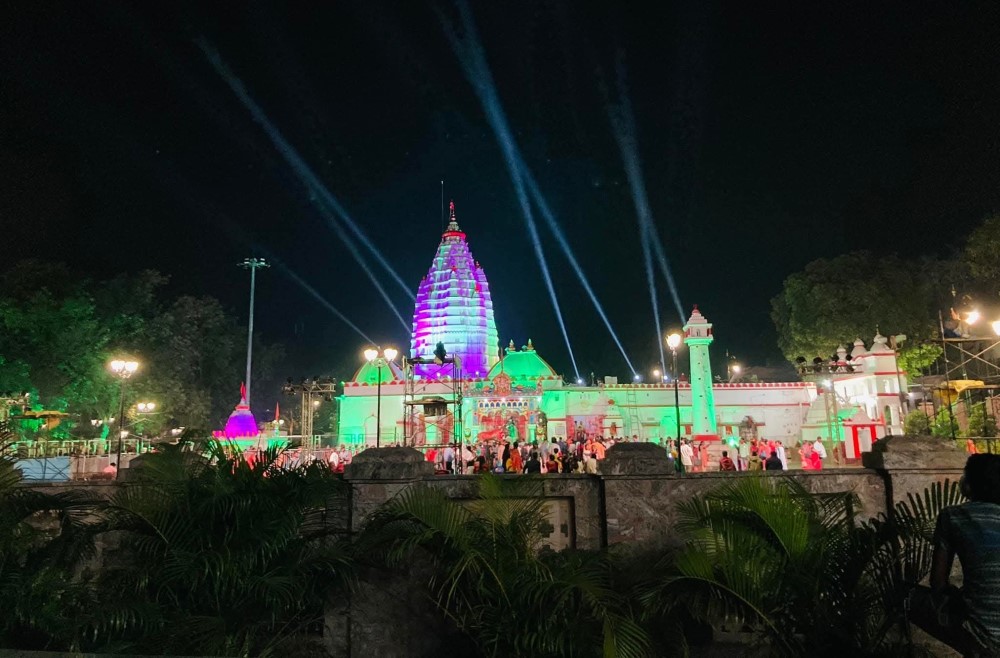
Sambalpur is a rewarding destination for travellers who want to explore the cultural traditions, sacred temples and natural beauty of western Odisha.
From the magnificent Hirakud Dam and historic Maa Samaleswari Temple to Gudguda Waterfall and Debrigarh Wildlife Sanctuary, the region offers a wide variety of travel experiences.
Whether you are planning a short weekend getaway, a family sightseeing holiday or an extended wildlife adventure, Tourism Orissa can help you organise a comfortable and personalised journey.
Explore our Sambalpur and Debrigarh tour packages to choose the itinerary that best suits your travel plans.
Contact Tourism Orissa today with your travel dates, number of travellers and preferred pickup location to receive a customised Sambalpur tour quotation.