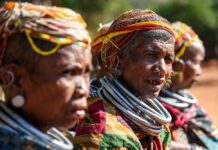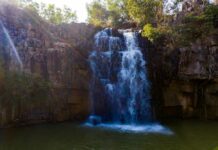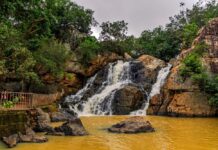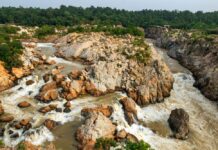
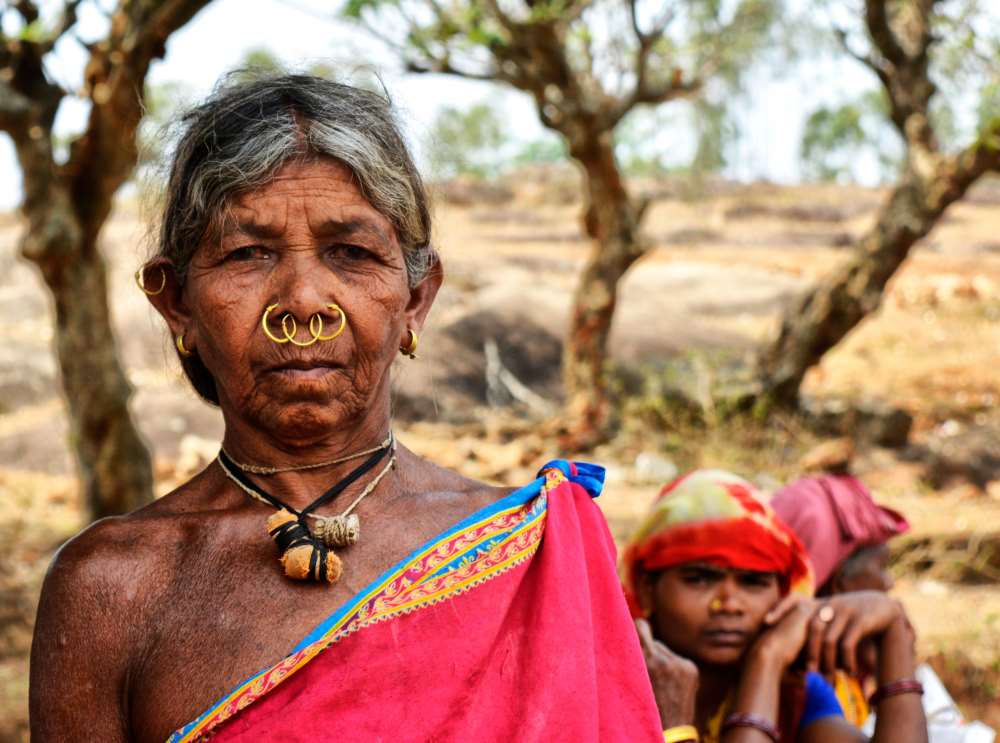
Odisha is one of the most fascinating destinations in India for travellers interested in indigenous cultures, traditional villages, handicrafts, weekly markets, mountains and authentic rural experiences.
While places such as Puri, Konark and Bhubaneswar attract millions of visitors, the interior districts of southern Odisha offer a completely different travel experience. The hills and forests around Koraput, Rayagada, Malkangiri and Kandhamal are home to numerous tribal communities with distinctive languages, traditions, clothing, crafts, agriculture and festivals.
For travellers looking beyond conventional sightseeing, an Odisha tribal tour can be an unforgettable journey through the Eastern Ghats.
This complete Odisha Tribal Tourism Guide 2026 explains where to go, which tribal communities you may encounter, the most important weekly markets, suggested itineraries, the best time to visit, how to travel responsibly and what to know before planning a tribal tour in Odisha.
What is Tribal Tourism in Odisha?
Tribal tourism is a form of cultural travel that allows visitors to learn about the traditional lifestyles, crafts, markets, food, architecture, agriculture and cultural practices of indigenous communities.
In Odisha, tribal tourism is particularly interesting because the state’s tribal regions are spread across the hills and forests of the Eastern Ghats. Around 62 tribal communities in the state, with many communities living in the southern and northern highland regions.
A tribal tour is not simply about visiting a village and taking photographs.
A good tribal tourism experience is about understanding the landscape and the people who live there.
Depending on your itinerary, you may experience:
- Weekly tribal markets
- Traditional handicrafts
- Handwoven textiles
- Village agriculture
- Traditional houses
- Local food
- Mountain landscapes
- Tribal festivals
- Traditional music and dance
- Local markets and produce
- Village walks
- Traditional art and ornaments
- Interactions with local communities
The most important thing is to approach these experiences with respect rather than treating communities as tourist attractions.
If you are planning to explore Odisha’s tribal regions with a local travel operator, you can explore our Odisha Tribal Tours designed around destinations such as Koraput, Rayagada, Onukadelli, Chatikona and surrounding tribal regions.
Why Visit Odisha for Tribal Tourism?
Odisha offers something that is increasingly difficult to find in mainstream tourism: living cultural traditions connected closely with the landscape.
The tribal regions of southern Odisha combine mountains, forests, waterfalls, agricultural valleys and traditional communities.
Here are some of the main reasons to consider an Odisha tribal tour.
1. Unique Cultural Diversity
Different communities have their own languages, customs, clothing, crafts, food traditions and festivals.
A journey through the Koraput and Rayagada region can expose travellers to several different cultural traditions within the same trip.
2. Traditional Weekly Markets
The weekly markets are among the most interesting experiences for travellers.
People from surrounding villages traditionally gather at specific markets to sell and purchase agricultural produce, forest products, handicrafts and everyday goods.
Markets such as Chatikona, Onukadelli and Kunduli are often included in specialised tribal-tour itineraries.
3. Beautiful Eastern Ghats Landscapes
The tribal regions are not only culturally interesting.
They are also some of the most scenic areas of Odisha.
Expect:
- Mountain roads
- Forests
- Valleys
- Waterfalls
- Agricultural terraces
- Hill villages
- Viewpoints
- Remote countryside
4. Traditional Handicrafts
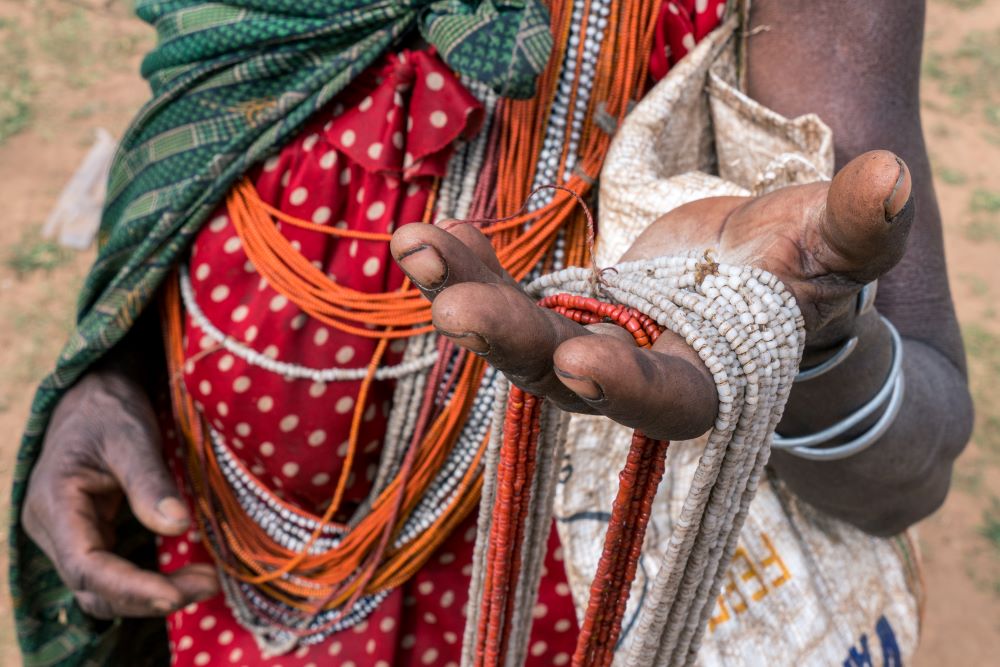
Odisha’s tribal regions are associated with traditional weaving, metalwork, pottery, jewellery and other forms of craftsmanship.
The Kotpad textile tradition, for example, is particularly important in the Koraput region.
5. A Different Side of Odisha
A conventional Odisha holiday might focus on:
Bhubaneswar → Puri → Konark → Chilika
A tribal journey can take you much farther into the interior:
Rayagada → Chatikona → Koraput → Onukadelli → Kunduli → Kotpad
This makes tribal tourism ideal for travellers who want a slower, more cultural and less conventional journey.
Where is Tribal Odisha?
Tribal communities are found across several districts of Odisha.
For tourism purposes, however, the most important regions are concentrated in southern Odisha and the Eastern Ghats.
Key tribal tourism districts include:
- Koraput
- Rayagada
- Malkangiri
- Kandhamal
- Nabarangpur
- Kalahandi
- Gajapati
- parts of Ganjam
- parts of Keonjhar and Mayurbhanj in northern Odisha
For first-time visitors interested in tribal tourism, the Koraput–Rayagada circuit is generally one of the most practical areas to explore.
Major Tribal Tourism Regions in Odisha
Koraput
Koraput is one of the most important bases for exploring tribal Odisha.
The surrounding region offers access to:
- Onukadelli
- Kunduli
- Kotpad
- Deomali
- Paraja villages
- Gadaba areas
- Bonda-region excursions
- Traditional markets
- Tribal museums and cultural attractions
Koraput is also surrounded by impressive Eastern Ghats scenery.
Rayagada
Rayagada is another major gateway to tribal Odisha.
It is particularly useful for exploring the tribal markets and villages around:
- Chatikona
- Bisamkatak
- Gunupur region
- Kondh areas
- Dongria Kondh cultural region
- Saora communities
- Surrounding hill villages
Rayagada can be combined with Koraput to create a longer tribal circuit.
Malkangiri
Malkangiri lies in the southernmost part of Odisha and has a strong tribal presence.
The region is more remote than the main Koraput tourist circuit, so travel planning requires additional care.
It suits experienced travellers who want to explore less-visited parts of southern Odisha.
Kandhamal
Kandhamal, with its hills and forests, is associated with several Kondh communities.
Destinations around Daringbadi, Kotagarh and surrounding areas can be combined with a wider Odisha cultural itinerary.
Important Tribal Communities of Odisha
Odisha has many tribal communities, and each has its own cultural identity.
Some communities commonly encountered or discussed in tribal-tourism itineraries include:
- Bonda
- Gadaba
- Didayi
- Dongria Kondh
- Kondh
- Kutia Kondh
- Desia Kondh
- Paraja
- Bhatra
- Saora
- Koya
- Mali
- Rana
- Dhuruba
It is important to remember that these communities are not simply “tourist attractions.” They are living communities with their own social structures, traditions and contemporary lives.
Bonda Tribe and Onukadelli
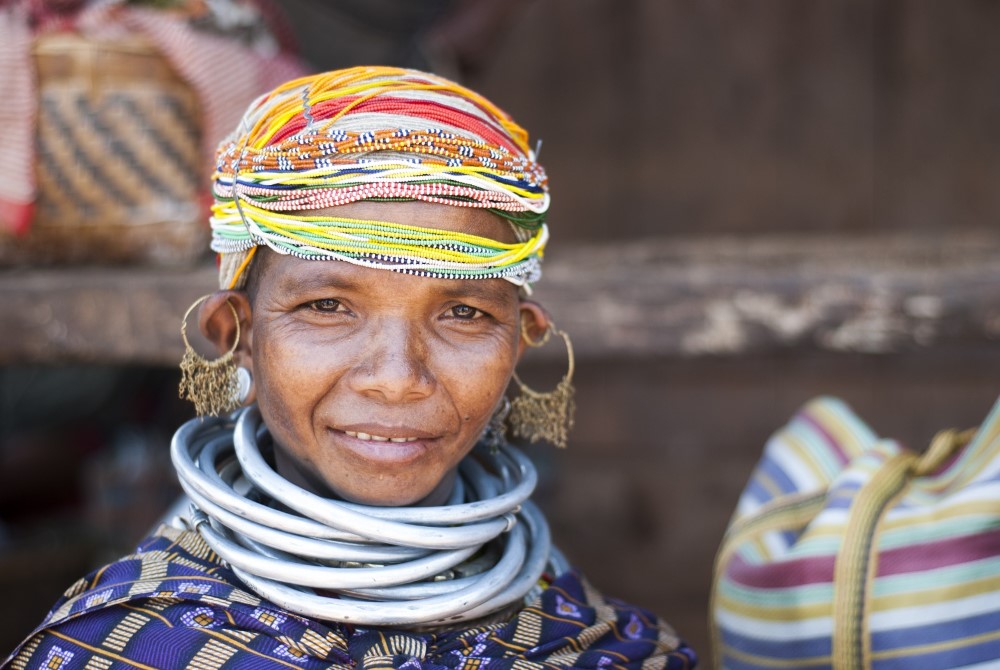
The Bonda community is one of the most well-known tribal communities associated with the southern Odisha region.
The area around Onukadelli is particularly famous among travellers interested in tribal markets.
The Onukadelli market has traditionally been associated with Bonda, Gadaba and Didayi communities.
The market itself can be a fascinating cultural experience because people from surrounding villages gather to trade goods and agricultural produce.
However, visitors should remember that this is a functioning local market—not a performance organised for tourists.
When visiting:
- Ask before photographing people.
- Do not photograph children without permission.
- Avoid intrusive questions.
- Do not touch clothing, jewellery or personal belongings.
- Respect people’s privacy.
- Follow instructions from your local guide.
Gadaba Tribe
The Gadaba communities are another important part of the tribal landscape around southern Odisha.
Gadaba villages and markets can be incorporated into specialised itineraries around Koraput and Onukadelli.
The community is known for its distinctive cultural traditions, music, dance, clothing and handicrafts.
For travellers interested in tribal culture, spending time learning about the daily life of Gadaba communities can be much more meaningful than simply visiting a market for a few minutes.
Dongria Kondh
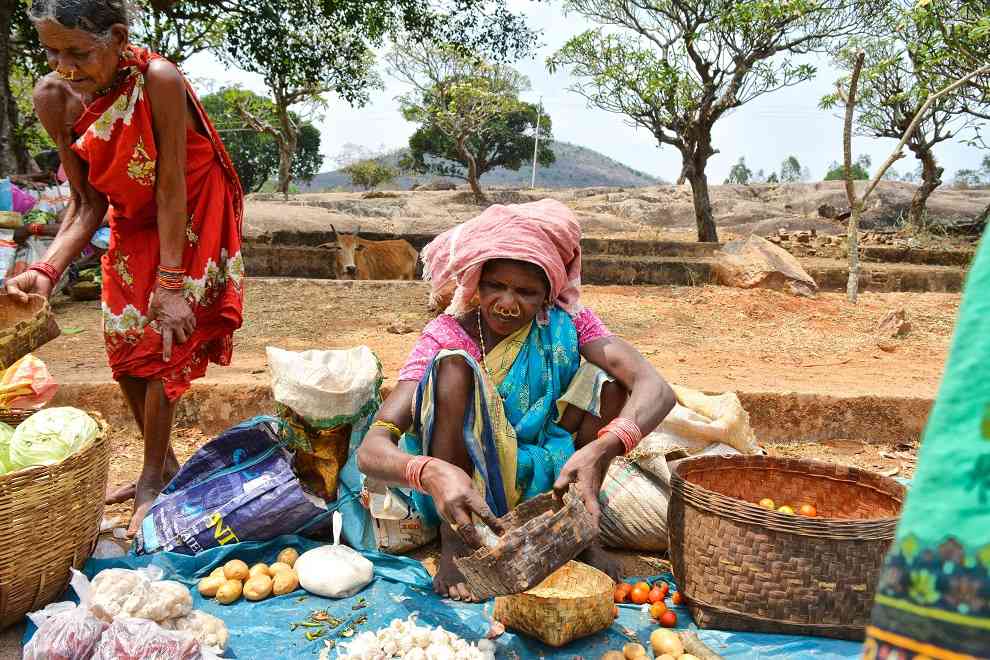
The Dongria Kondh community lives in the mountainous region around the Niyamgiri hills.
Their traditional relationship with the hills, forests and agriculture is an important part of their cultural identity.
Chatikona is particularly known for its weekly market associated with Dongria Kondh communities.
The surrounding landscapes are also spectacular, with forested hills and valleys.
Travellers should approach this region with particular sensitivity.
The purpose of visiting should be to learn and experience the landscape and local market respectfully—not to intrude into people’s private lives.
Kondh Communities
Kondh communities are found across several parts of Odisha, particularly in the hill districts.
Different Kondh groups have their own local identities and cultural practices.
In tribal tourism, travellers may encounter references to:
- Desia Kondh
- Dongria Kondh
- Kutia Kondh
- other Kondh communities
A knowledgeable local guide can help explain the differences between communities and provide context that visitors would otherwise miss.
Paraja Tribe
The Paraja are another important tribal community of southern Odisha.
You can find Paraja communities in areas around Koraput and Nabarangpur.
Traditional agriculture, village life, crafts, and local markets offer travellers opportunities to learn about their culture.
The Kunduli market is often included in tribal-tour itineraries covering the Koraput region.
Saora Tribe
The Saora, also known as Sora/Savara in different contexts, have a long cultural history in Odisha.
They are particularly associated with the southern Odisha region, including areas around Rayagada and Gajapati.
Saora artistic traditions are especially noteworthy, including traditional wall paintings associated with their cultural heritage.
Travellers interested in indigenous art should consider learning about Saora art from knowledgeable local sources rather than viewing it simply as decoration.
Didayi Community
The Didayi community is associated with the remote southern Odisha region, particularly around the Malkangiri–Koraput belt.
Because some areas are remote, access and travel conditions can vary.
If you plan to visit Didayi-inhabited areas, travel with an experienced local guide and confirm current access conditions before departure.
Bhatra and Other Communities
Southern Odisha is home to many communities beyond the better-known Bonda and Kondh groups.
These include Bhatra, Mali, Rana, Dhuruba and others.
This diversity is one reason a multi-day journey is more rewarding than visiting one market and calling it a tribal tour.
Best Tribal Markets in Odisha
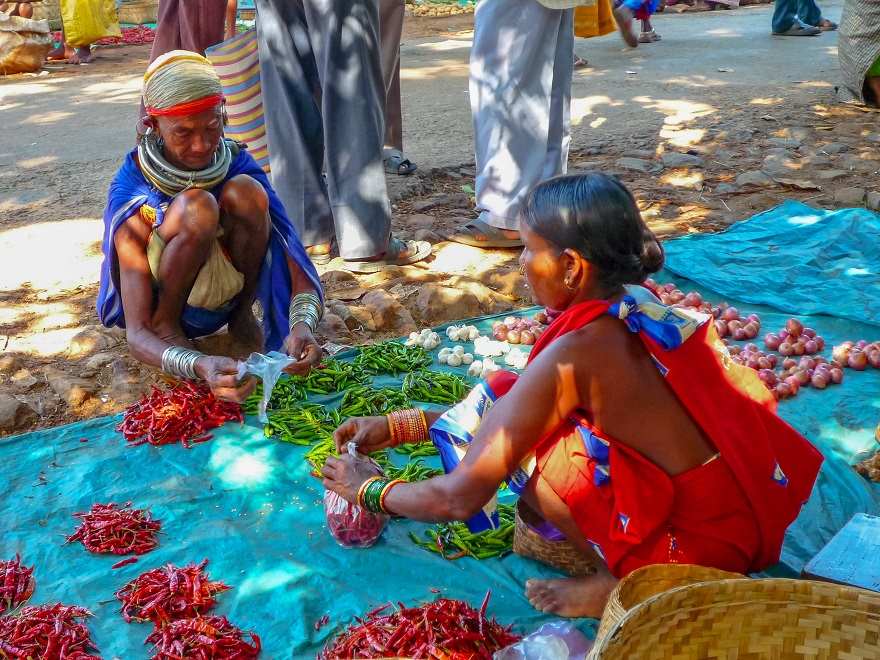
Weekly tribal markets are among the highlights of Odisha tribal tourism.
However, market schedules can change because of local conditions, festivals, administrative decisions and other factors.
Always confirm the market day locally before travelling.
Odisha’s tribal markets are an important part of the region’s cultural landscape. These weekly markets provide an opportunity to see traditional handicrafts, forest products, textiles and local produce while experiencing everyday community life. For a detailed guide to the most important weekly markets, see our guide to the [9 Must-See Weekly Tribal Markets in Odisha].
Some of the best-known markets included in traditional tribal-tour circuits are:
| Market | Region | Communities associated with the area |
|---|---|---|
| Chatikona | Rayagada | Dongria Kondh |
| Onukadelli | Koraput | Bonda, Gadaba, Didayi |
| Kunduli | Koraput | Paraja and other communities |
| Kotagarh area markets | Kandhamal | Kondh communities |
| Other local weekly markets | Southern Odisha | Various communities |
The market itself is only one part of the experience.
The drive through the hills, surrounding villages and agricultural landscape is often equally memorable.
Chatikona Weekly Market
Chatikona is one of the best-known stops on Odisha tribal tours.
The market is associated with the Dongria Kondh community and attracts sellers and buyers from surrounding areas.
Visitors can see:
- Agricultural produce
- Forest products
- Local vegetables
- Fruits
- Traditional items
- Everyday household goods
- Local clothing and accessories
For photographers, the market offers colourful scenes.
But remember: people are not props for photography.
Always ask permission before taking close-up portraits.
Onukadelli Weekly Market
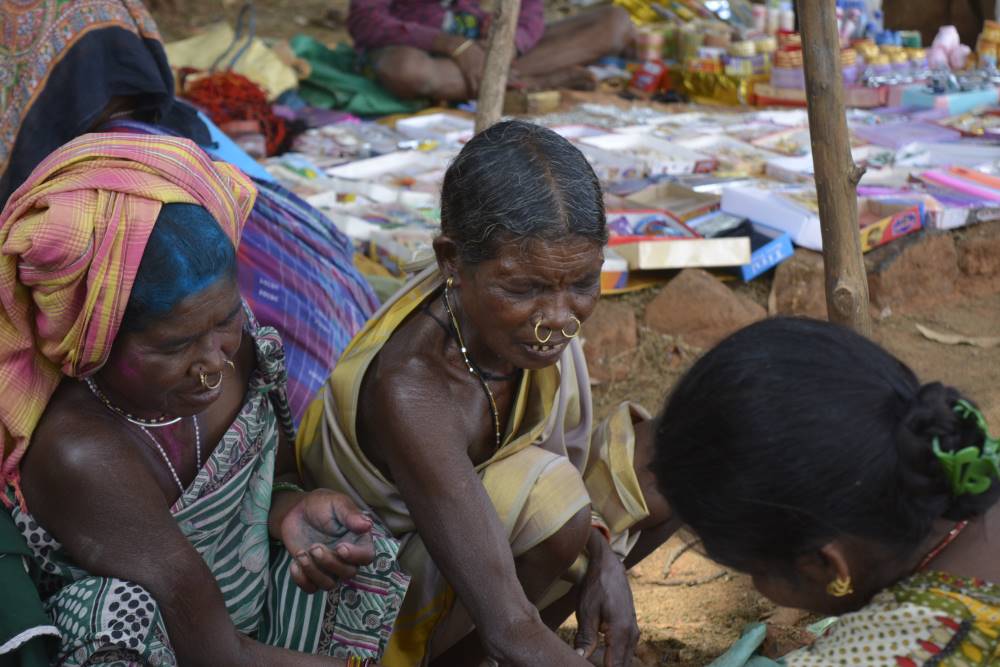
Onukadelli is perhaps the most famous market associated with tribal tourism in southern Odisha.
It is located in the Koraput region and is traditionally associated with Bonda, Gadaba and Didayi communities.
The market is generally reached as part of an excursion from the Koraput/Jeypore area.
Because the road journey can take significant time, travellers should start early and plan the day carefully.
Kunduli Weekly Market
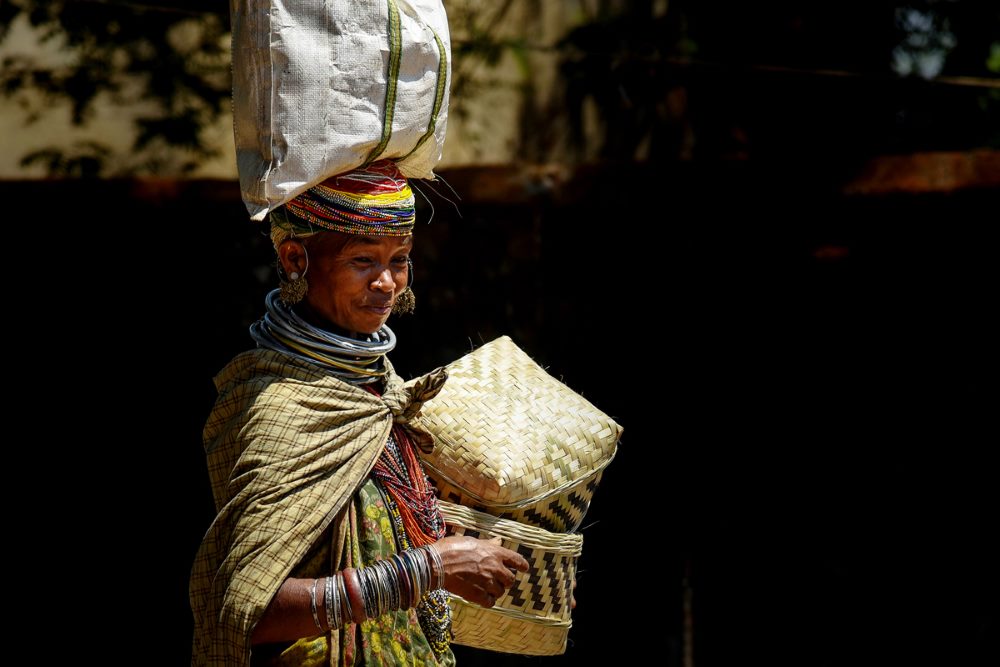
Kunduli is another important stop on tribal-tour circuits around Koraput.
The market provides an opportunity to observe local trading traditions and meet people from surrounding villages.
A visit can be combined with other Koraput attractions, depending on the weekly market schedule and your itinerary.
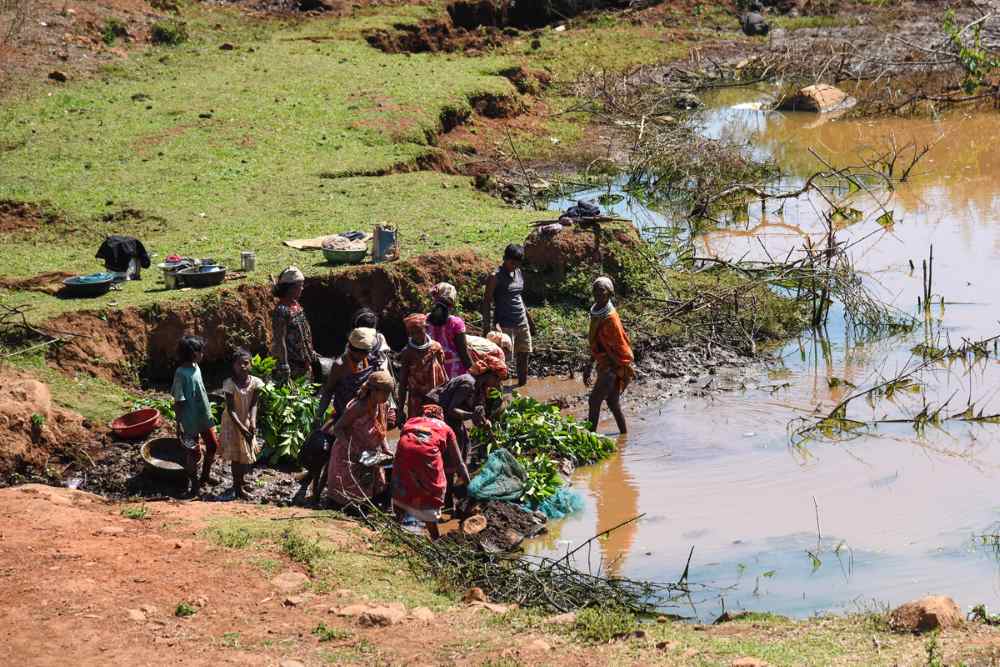
Tribal Villages Around Koraput and Rayagada
One of the most rewarding parts of tribal tourism is travelling through rural areas rather than simply stopping at a market.
A responsible village visit can help travellers understand:
- Traditional homes
- Agriculture
- Local food
- Handicrafts
- Farming practices
- Village organisation
- Local festivals
- Traditional clothing
- Relationship with forests and mountains
However, not every village is suitable for tourism.
Never enter a private home, agricultural field or community space without permission.
The best approach is to work with a local guide who has an established relationship with the community.
Travellers who want a more immersive experience can also explore our Odisha Tribal Village Tour, which focuses on village visits and cultural experiences.
Kotpad and Traditional Textiles
The Koraput region is also important for traditional textiles.
Kotpad handloom is particularly well known for its distinctive natural-dyed textiles.
A visit to a weaving village can add an important craft dimension to an Odisha tribal itinerary.
Rather than simply buying a souvenir, take the time to understand:
- How the yarn is prepared
- How natural dyes are produced
- How the fabric is woven
- How designs are created
- How the craft supports local livelihoods
Purchasing directly from artisans or trusted cooperatives can also help support traditional craftsmanship.
Koraput as a Base for Tribal Tourism
Koraput is an excellent base for exploring southern Odisha.
From Koraput or nearby Jeypore, travellers can plan excursions to several tribal and cultural attractions.
Possible excursions include:
- Onukadelli
- Kunduli
- Kotpad
- Deomali
- Tribal villages
- Local markets
- Traditional weaving centres
- Koraput temples
- Waterfalls and viewpoints
A good itinerary should not try to cover everything in one day.
Road conditions and distances can make some excursions long.
Rayagada as a Tribal Tourism Destination
Rayagada works particularly well as the starting point for exploring the surrounding tribal belt.
Possible experiences include:
- Chatikona market
- Dongria Kondh cultural region
- Kondh villages
- Saora areas
- Local handicrafts
- Hill landscapes
- Rural markets
- Taptapani on connecting routes
Rayagada can be combined with Koraput to form the core of a southern Odisha tribal circuit.
Deomali and the Tribal Landscape
Deomali, near Koraput, is the highest mountain peak in Odisha and is located in a region inhabited by communities including Paraja, Kondh and Bonda.
The mountain landscape provides a different perspective on tribal Odisha.
Visitors can combine trekking or scenic drives with cultural exploration in the surrounding region.
Deomali is especially attractive for travellers who want a combination of:
Mountains + villages + culture + nature
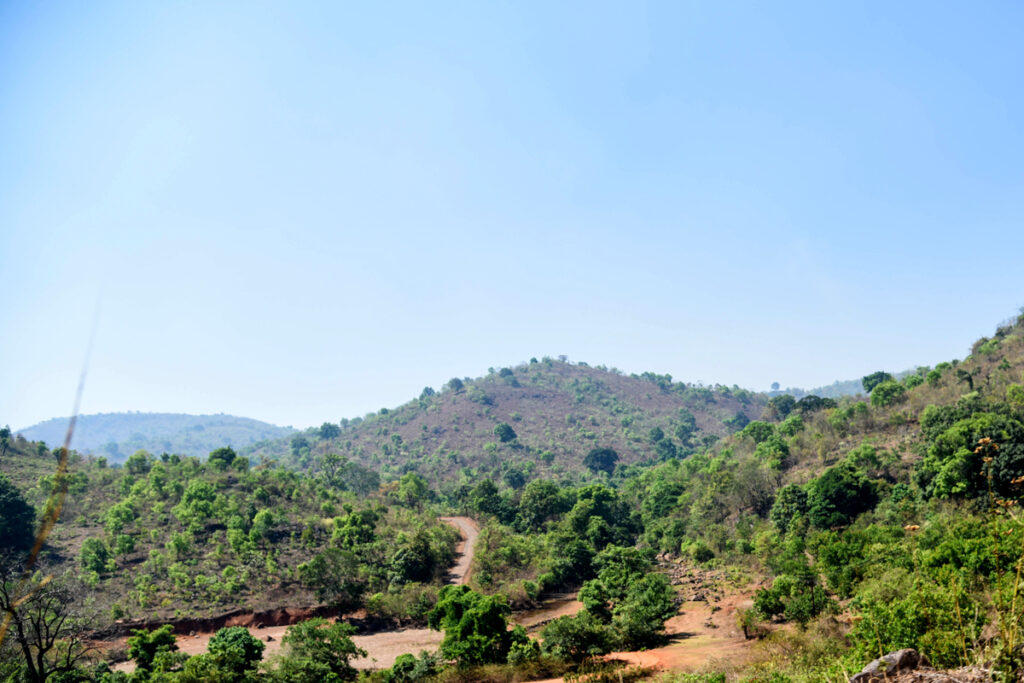
Malkangiri and the Southern Tribal Belt
For travellers looking for a more remote experience, Malkangiri offers another dimension of tribal Odisha.
The region is less developed for conventional tourism than Puri or Bhubaneswar.
That is precisely what attracts adventurous travellers.
However, remote travel requires additional planning.
Before travelling, check:
- Road conditions
- Local access
- Accommodation
- Mobile connectivity
- Weather
- Local restrictions
- Guide availability
Do not assume that every village shown on a map is accessible to tourists.
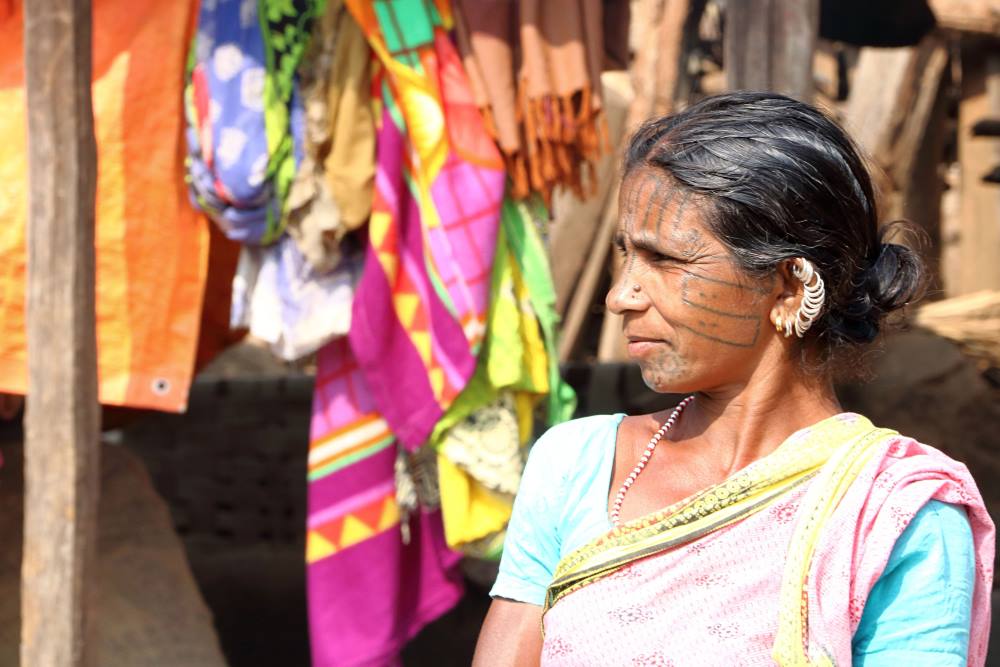
Kandhamal and the Kutia Kondh Region
Kandhamal is another important region for tribal tourism.
Areas around Kotagarh and the surrounding hills are associated with Kondh communities.
The landscape includes forests, hills, waterfalls and rural settlements.
Kandhamal can be included in a wider Odisha itinerary connecting:
Bhubaneswar → Puri → Gopalpur → Kandhamal → Rayagada → Koraput
This creates a longer cultural and scenic circuit.
Best Time for an Odisha Tribal Tour
The best time for an Odisha tribal tour is generally during the cooler and drier months.
October to March
This is usually the most comfortable period for road travel and outdoor exploration.
Advantages include:
- Pleasant daytime temperatures
- Better conditions for long road journeys
- Comfortable village walks
- Good conditions for photography
- Cooler mornings and evenings
November to February
These months are particularly attractive for travellers who want comfortable weather.
Winter also makes long excursions into the Eastern Ghats more enjoyable.
April to June
The weather becomes increasingly hot.
Travel is still possible, but midday sightseeing can be uncomfortable.
July to September
The monsoon transforms the Eastern Ghats into a lush green landscape.
However, heavy rain can affect roads and travel times.
For remote tribal areas, always check current road conditions before travelling during the monsoon.
How Many Days Do You Need for Odisha Tribal Tourism?
There is no single answer.
It depends on how deeply you want to explore.
4–5 Days
Suitable for a short introduction.
Possible route:
Rayagada → Chatikona → Koraput → local tribal experiences
7 Days
A good option for first-time visitors.
You can include:
Rayagada → Chatikona → Koraput → Onukadelli → Kunduli → Kotpad
10 Days
Allows more relaxed travel and additional villages, landscapes and cultural experiences.
14 Days
Ideal for travellers who want to combine:
- Tribal Odisha
- Puri
- Konark
- Bhubaneswar
- Chilika
- Gopalpur
- Rayagada
- Koraput
- tribal markets
- craft villages
If you prefer a ready-made itinerary, you can also see our Classic Odisha Tribal Tour.
Suggested 7-Day Odisha Tribal Tour Itinerary
Day 1 – Arrival in Bhubaneswar
Arrive in Bhubaneswar.
Depending on arrival time, visit:
- Tribal museum/cultural attractions
- Old Town temples
- Local markets
Overnight in Bhubaneswar.
Day 2 – Bhubaneswar to Rayagada
Drive towards Rayagada.
The journey takes you from the coastal plains towards the Eastern Ghats.
Depending on the route, stops can be included at suitable cultural or natural attractions.
Overnight in Rayagada.
Day 3 – Chatikona and Dongria Kondh Region
Start early for the Chatikona area.
Explore the weekly market if your travel date coincides with the market day.
Spend time observing the market respectfully.
Return to Rayagada or continue according to your itinerary.
Day 4 – Rayagada to Koraput
Drive towards Koraput.
Enjoy the changing landscape as the route enters the Eastern Ghats.
Possible stops:
- Rural villages
- Scenic viewpoints
- Local markets
- Craft centres
Overnight around Koraput/Jeypore.
Day 5 – Onukadelli
Start early for Onukadelli.
Explore the weekly market if it falls on the scheduled market day.
Depending on local conditions and access, you may also explore surrounding villages with a local guide.
Return to your accommodation.
Day 6 – Kunduli and Kotpad
Visit Kunduli according to the market schedule.
Later continue towards Kotpad for traditional textile and craft experiences.
Return to Koraput/Jeypore.
Day 7 – Koraput to Bhubaneswar or Visakhapatnam
Depending on your onward travel, return towards Bhubaneswar or continue towards Visakhapatnam.
For international travellers, an itinerary ending in Visakhapatnam can sometimes work well depending on flight connections.
Suggested 10-Day Odisha Tribal Tour
A more comfortable 10-day route could look like:
Day 1: Bhubaneswar
Day 2: Bhubaneswar – Puri – Konark
Day 3: Puri – Chilika – Gopalpur
Day 4: Gopalpur – Taptapani – Rayagada
Day 5: Rayagada – tribal market/villages
Day 6: Chatikona – Jeypore/Koraput
Day 7: Onukadelli
Day 8: Kunduli – Koraput
Day 9: Kotpad – Deomali – Koraput
Day 10: Return towards Bhubaneswar or Visakhapatnam
The exact route should be adjusted according to weekly market days.
Suggested 14-Day Odisha Tribal Tour
For travellers with two weeks, a much richer itinerary is possible.
Days 1–2
Bhubaneswar
Day 3
Bhubaneswar – Puri – Konark
Day 4
Puri – Chilika – Gopalpur
Day 5
Gopalpur – Taptapani – Rayagada
Day 6
Kondh region and local markets
Day 7
Chatikona and Dongria Kondh region
Day 8
Rayagada – Koraput/Jeypore
Day 9
Onukadelli
Day 10
Gadaba and surrounding villages
Day 11
Kunduli
Day 12
Kotpad and traditional textiles
Day 13
Deomali and surrounding landscapes
Day 14
Return journey
This type of itinerary gives travellers a combination of heritage, beaches, nature, mountains, tribal culture and traditional crafts.
How to Reach Tribal Odisha
By Air
The most convenient airports depend on your itinerary.
Bhubaneswar Airport is the main international/domestic gateway for Odisha.
Visakhapatnam Airport in neighbouring Andhra Pradesh can also be useful for some southern Odisha itineraries.
Travellers should choose their arrival and departure airports based on the route.
For example:
Bhubaneswar → Tribal Odisha → Visakhapatnam
can avoid having to return all the way to Bhubaneswar.
By Train
Rail connectivity is available to major towns such as:
- Rayagada
- Koraput
- Jeypore
Train schedules should be checked before finalising the itinerary.
By Road
Road travel is the best way to explore the interior tribal regions.
A private car with an experienced driver provides flexibility for:
- Markets
- Villages
- Scenic stops
- Remote areas
- Short hikes
- Craft villages
For remote tribal excursions, having a knowledgeable local guide is strongly recommended.
Where to Stay During a Tribal Tour?
Accommodation options vary significantly by destination.
Major towns such as Rayagada, Koraput and Jeypore offer more choices.
In remote regions, accommodation can be limited.
Depending on the itinerary, travellers may use:
- Hotels
- Guesthouses
- Tourist lodges
- Nature camps
- Government accommodation where available
- Homestays where appropriate
Do not expect luxury accommodation in remote tribal areas.
For many travellers, the attraction is the cultural and natural experience rather than five-star facilities.
What to Pack for an Odisha Tribal Tour?
Pack light but prepare for changing conditions.
Essential items
- Comfortable walking shoes
- Lightweight clothing
- Light jacket during winter
- Rain jacket during monsoon
- Sun protection
- Hat/cap
- Sunscreen
- Reusable water bottle
- Personal medicines
- Power bank
- Camera
- Small backpack
- Insect repellent
- Basic toiletries
For village visits, choose modest and comfortable clothing.
Avoid clothing that could be considered disrespectful in traditional communities or religious places.
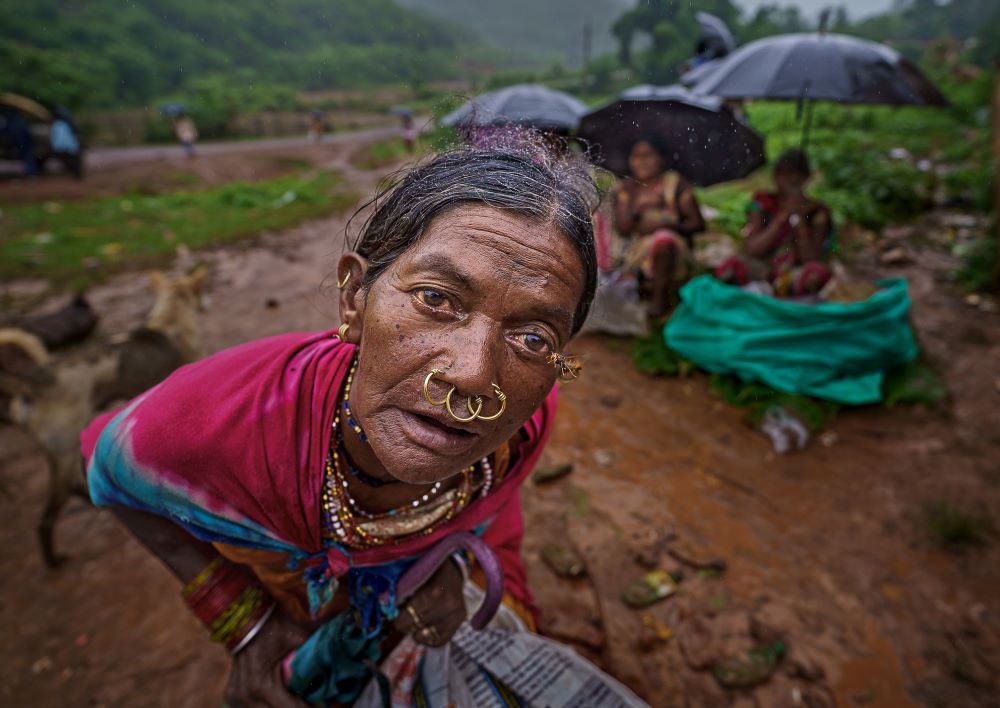
Photography and Cultural Etiquette
Photography is one of the biggest reasons travellers visit tribal markets.
But it is also one of the areas where tourists can unintentionally behave disrespectfully.
Always ask before photographing people.
A simple:
“May I take a photo?”
can make a huge difference.
If someone says no, respect their decision.
Avoid:
- Taking hidden close-up photographs
- Photographing children without permission
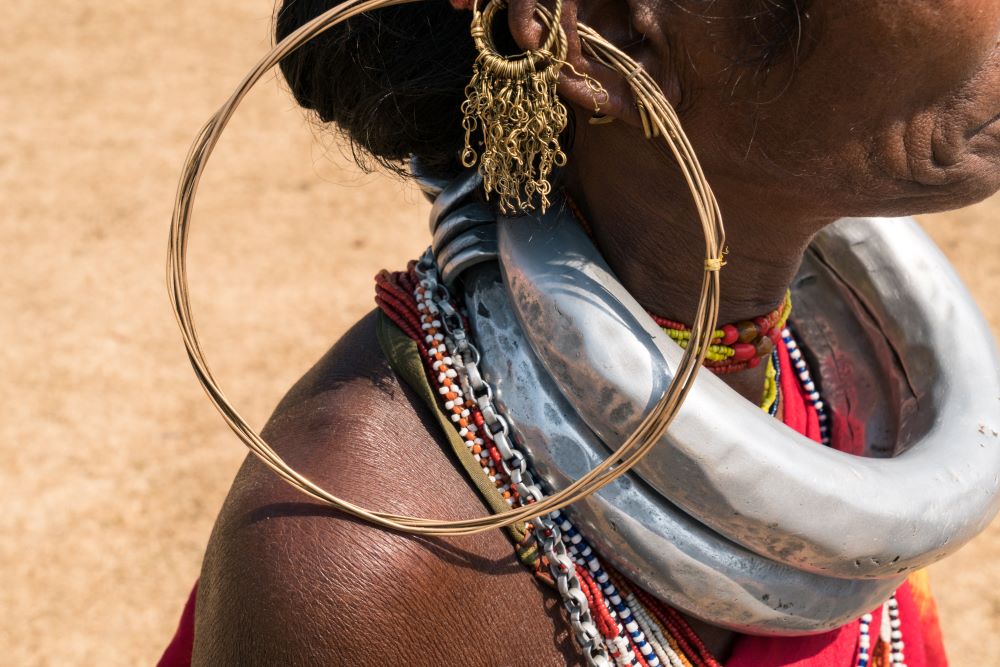
- Touching traditional jewellery
- Making fun of clothing or appearance
- Entering homes without invitation
- Using drones without checking applicable permissions
- Turning private ceremonies into photography sessions
Remember:
You are visiting someone’s home region, not a human museum.
Responsible Tribal Tourism
Responsible tourism is particularly important in tribal areas.
Odisha Tourism itself advises visitors to research local customs, use appropriate dress and respect the socio-cultural environment of the destination.
Here are some practical principles.
1. Respect Privacy
A village is a home, not a tourist attraction.
Ask before entering private spaces.
2. Ask Before Photographing
This is especially important for portraits.
3. Buy Local
If you like handicrafts or textiles, consider buying directly from artisans or legitimate local sellers.
4. Avoid Plastic Waste
Carry reusable bottles and avoid leaving waste in villages or forests.
5. Don’t Give Money or Gifts Randomly
Handing out money, sweets or gifts to children can create unhealthy tourism practices.
If you want to support communities, do so through responsible local organisations, artisans or community-based tourism initiatives.
6. Hire Local Guides
A good local guide can provide cultural context and help ensure that visits are conducted respectfully.
7. Follow Local Rules
Some locations or communities may have restrictions on photography, access or other tourist activities.
Follow them without argument.
For travellers looking for a more personalised and comprehensive experience, see our Exclusive Odisha Tribal Tour.
Common Mistakes to Avoid
Mistake 1: Trying to See Everything in One Day
Distances in southern Odisha can be deceptive.
A location that looks close on a map can take several hours by road.
Plan realistically.
Mistake 2: Planning Only Around Google Maps
Google Maps is useful, but it cannot tell you everything about local market schedules, village access or cultural restrictions.
Confirm important details locally.
Mistake 3: Ignoring Weekly Market Days
If your main objective is to visit a particular tribal market, your itinerary should be built around the market day.
Do not simply arrive in the region and assume the market will be operating.
Mistake 4: Treating Tribal Communities as Tourist Attractions
This is perhaps the most important mistake to avoid.
The purpose of tribal tourism should be cultural learning and respectful interaction.
Mistake 5: Travelling Without a Local Guide
For remote areas, a local guide can make a huge difference.
They can help with:
- Language
- Local customs
- Village introductions
- Market interpretation
- Route planning
- Photography etiquette
- Local information
Is Odisha Tribal Tourism Safe?
For most travellers following normal travel precautions, Odisha can be an excellent destination.
However, tribal tourism often involves remote roads and areas with limited infrastructure.
Take normal precautions:
- Keep your valuables secure.
- Inform someone about your route.
- Carry enough water.
- Keep your phone charged.
- Carry offline maps.
- Avoid travelling alone into unfamiliar remote areas.
- Check local conditions before travelling.
- Use experienced local drivers and guides.
For areas with changing access conditions, always obtain current local information before departure.
Is Tribal Tourism Suitable for Families?
Yes, but the itinerary should be designed carefully.
Families with children may enjoy:
- Village landscapes
- Mountains
- Handicrafts
- Markets
- Local food
- Nature
- Short walks
However, some tribal excursions involve long road journeys.
Families with young children should avoid excessively long daily drives and choose comfortable accommodation wherever possible.
Is Tribal Tourism Suitable for Senior Travellers?
Yes, with proper planning.
A private vehicle is usually preferable to public transport for a multi-day tribal circuit.
Avoid overly aggressive itineraries.
Instead of trying to visit several markets in consecutive days, allow sufficient time for rest.
A slower itinerary can actually provide a better cultural experience.
What Makes a Good Odisha Tribal Tour?
A good tribal tour isn’t about ticking off the maximum number of villages.
Instead, focus on:
Fewer places + more time + better local interpretation.
For example, spending half a day understanding one market can be more rewarding than visiting three locations quickly.
The best itineraries balance:
Culture
Tribal communities, markets and villages
Nature
Mountains, forests, waterfalls and valleys
Crafts
Textiles, pottery and traditional handicrafts
History
Temples, archaeological sites and regional heritage
Food
Local Odisha cuisine and regional specialities
People
Responsible interaction with local communities
A Responsible Odisha Tribal Tourism Checklist
Before your trip, ask yourself:
☐ Have I checked the weekly market schedule?
☐ Have I confirmed road conditions?
☐ Do I have suitable accommodation?
☐ Have I arranged reliable transport?
☐ Do I have a local guide for remote areas?
☐ Do I know the photography etiquette?
☐ Have I researched local customs?
☐ Am I carrying reusable water bottles?
☐ Do I have offline maps?
☐ Have I allowed enough time for the journey?
☐ Am I prepared to respect local restrictions?
If the answer to all of these is yes, you’re much more likely to have a smooth and meaningful trip.
Frequently Asked Questions About Odisha Tribal Tourism
1. What is the best place for tribal tourism in Odisha?
For first-time visitors, the Koraput and Rayagada region is one of the most practical choices because it provides access to several well-known tribal markets, communities, craft traditions and mountain landscapes.
2. Which tribal market is famous in Odisha?
Onukadelli, Chatikona and Kunduli are among the best-known markets included in Odisha tribal-tour itineraries.
Market schedules should always be confirmed before travelling.
3. Can foreigners visit tribal villages in Odisha?
Foreign travellers can visit many tourist areas of Odisha, but access to specific communities or remote areas may depend on local conditions, permissions and community preferences.
A reputable local tour operator or guide can help determine what is appropriate and accessible.
4. How many days are enough for an Odisha tribal tour?
A minimum of 5–7 days is recommended for a meaningful introduction to southern Odisha’s tribal regions.
For a more comprehensive experience combined with Puri, Konark, Chilika and other destinations, consider 10–14 days.
5. What is the best month for an Odisha tribal tour?
The cooler months from approximately October to March are generally the most comfortable for road travel and outdoor exploration.
6. Can I visit Bonda villages independently?
It is better to arrange such visits with an experienced local guide or tour operator.
Some areas are remote, and respectful access should take priority over independent exploration.
7. Is Koraput worth visiting?
Absolutely.
Koraput is one of the most important bases for exploring tribal Odisha and offers access to markets, villages, crafts, mountains and natural attractions.
8. Is Rayagada worth visiting?
Yes.
Rayagada is an important gateway to several tribal regions and is particularly useful for travellers interested in Chatikona and the surrounding Eastern Ghats.
9. Can I combine tribal tourism with a Puri and Konark trip?
Yes.
This is one of the best ways to experience Odisha.
A typical longer route can combine:
Bhubaneswar → Puri → Konark → Chilika → Gopalpur → Rayagada → Koraput
This offers a mix of temples, beaches, wildlife, culture, and tribal tourism.
Final Thoughts: Why Odisha Tribal Tourism Is Worth Experiencing
Odisha’s tribal regions offer something very different from conventional Indian tourism.
Here, the journey itself becomes part of the experience.
You drive through the Eastern Ghats, cross mountain roads, pass through small villages, discover weekly markets, and encounter traditional crafts and cultures developed over generations.
The most memorable moments may not be the famous attractions.
They may be:
- A conversation with a local artisan
- A walk through a hill village
- Watching farmers bring produce to a weekly market
- Discovering traditional textiles
- Driving through the misty Eastern Ghats
- Learning about local food
- Watching a traditional cultural performance
- Meeting a local guide who explains the history of the region
But responsible travel is essential.
The communities you visit are living communities with their own rights, traditions and privacy.
Travel slowly.
Ask permission.
Listen more than you photograph.
Buy locally.
Respect local customs.
And leave the villages and landscapes as you found them.
If you are looking for an authentic cultural journey away from the usual tourist circuit, Odisha tribal tourism deserves a place on your India travel itinerary.
Plan Your Odisha Tribal Tour
Planning a tribal journey through Odisha can be challenging because market days, road conditions, accommodation and village access need to be coordinated carefully.
At Tourism Orissa, we help travellers plan customised Odisha journeys covering destinations such as Koraput, Rayagada, Onukadelli, Chatikona, Kunduli, Deomali, tribal villages, Puri, Konark, Chilika and other parts of Odisha.
Whether you are interested in a short 5–7 day tribal experience or a longer 10–14 day Odisha tribal tour, the itinerary can be planned around your interests, travel dates and preferred pace.
Contact Tourism Orissa to plan your Odisha tribal journey.