

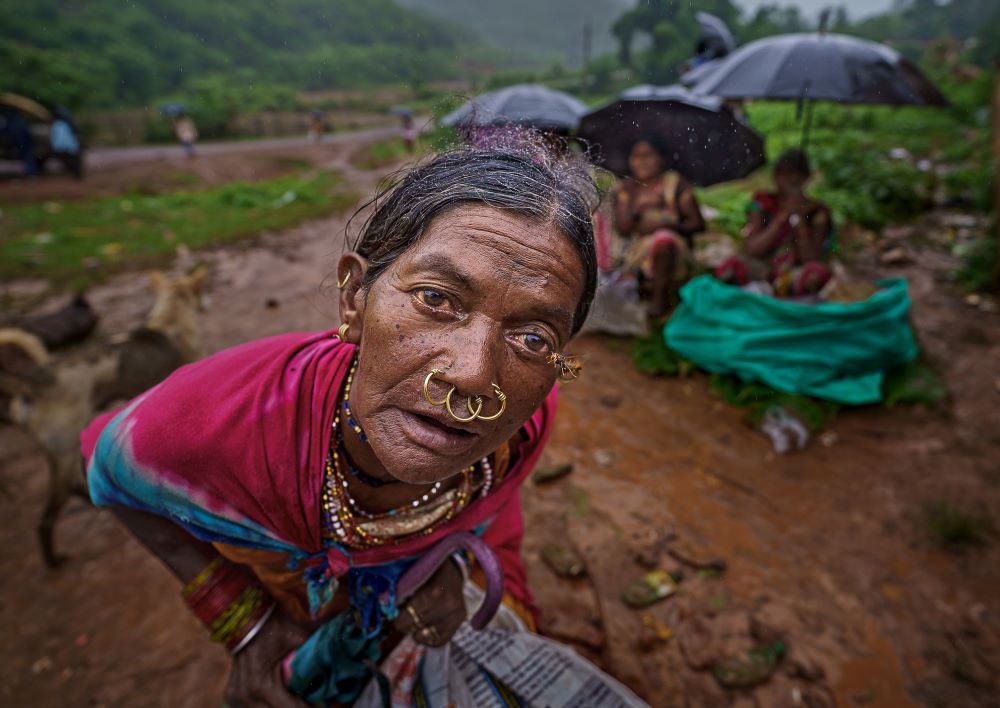
Odisha is one of India’s most culturally diverse states, with tribal communities living across its forested hills, plateaus and rural regions. For travellers interested in culture and responsible tourism, exploring the tribal regions of Odisha can provide a deeper understanding of the state’s languages, traditional crafts, agriculture, markets, festivals and everyday community life.
The most interesting tribal experiences are concentrated particularly in southern Odisha, including the regions around Koraput, Rayagada and Malkangiri, while important tribal communities are also found in Kandhamal and several northern districts.
Unlike conventional sightseeing, tribal tourism requires a different approach. Villages are living communities, not open-air museums. Travellers should respect privacy, ask before taking photographs, follow local guidance and avoid treating people as attractions.
This guide introduces some of the best-known tribal village and community areas to explore in Odisha, explains what travellers can expect, and provides practical advice for planning a responsible tribal tour.
Odisha Tribal Tourism at a Glance
Odisha is home to 62 recognized tribal communities, with significant tribal populations across the state’s hilly and forested regions.
The Eastern Ghats are particularly important for tribal tourism in southern Odisha. The landscape around Koraput, Rayagada and Malkangiri contains numerous communities with distinctive languages, traditions, agricultural practices, crafts and weekly markets.
Among the communities and cultural regions commonly encountered on tribal-tour itineraries are:
- Bonda
- Gadaba
- Dongria Kondh
- Kondh communities
- Paraja
- Didayi
- Saora
- Kutia Kondh
- Desia Kondh
- Dharua and other communities of southern Odisha
However, these communities should not be treated as one homogeneous group. Each has its own cultural identity, history and social practices.
1. Gadaba Villages Around Koraput and Onukadelli
The Gadaba are one of the well-known tribal communities of southern Odisha.
The region around Koraput and Onukadelli offers opportunities to understand Gadaba culture alongside other communities of the area.
Onukadelli is particularly interesting because its weekly market is associated not only with the Bonda but also with Gadaba and Didayi communities.
What can travellers experience?
Depending on local access and the itinerary, travellers may encounter:
- Traditional village landscapes
- Local agricultural activities
- Traditional clothing and ornaments
- Local markets
- Handicrafts and household products
- Community life in rural southern Odisha
- Traditional music or dance on appropriate occasions
Don’t expect every village to be set up for visitors. A village visit should be organized with appropriate local guidance and permission.
Combine Gadaba villages with Onukadelli
One of the most practical ways to experience the area is to combine a Thursday visit to Onukadelli Market with a broader southern Odisha itinerary.
The market offers a useful introduction to the region, while a well-planned village visit adds cultural context.
For a broader overview, link this section to your Complete Odisha Tribal Tourism Guide 2026.
2. Bonda Region and Villages Around Bonda Hills
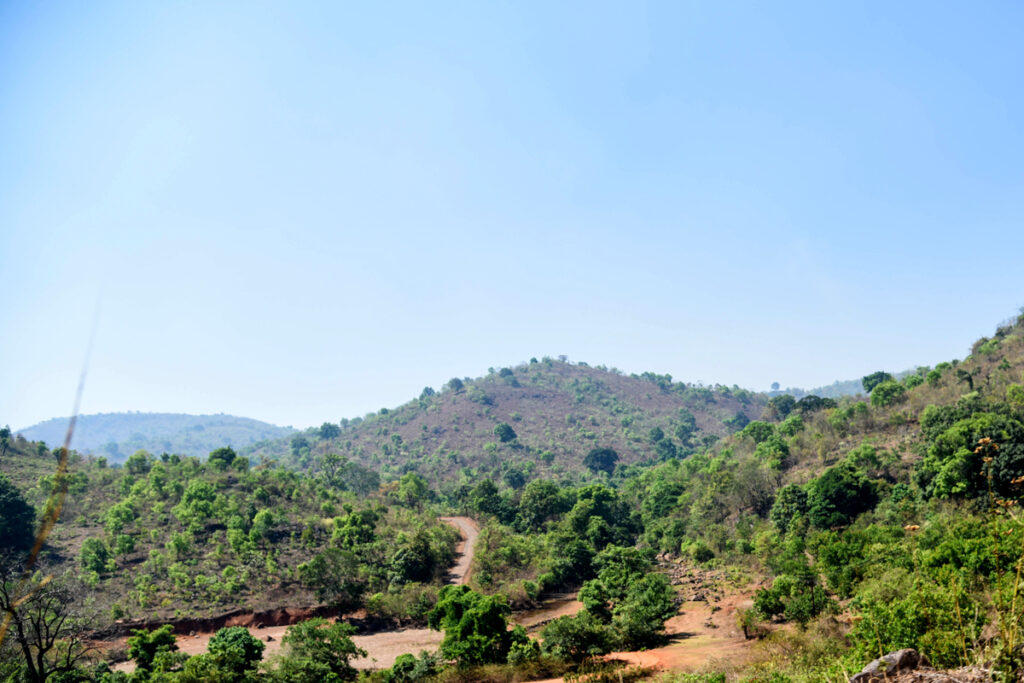
The Bonda region is one of the most distinctive tribal areas of southern Odisha.
The traditional homeland of the Bonda community is associated with the Bonda Hills of Malkangiri district.
For travellers, the best-known market experience connected with the community is Onukadelli Market, which is held on Thursday.
However, visitors should not approach Bonda villages simply as photographic destinations.
The Bonda are a living community, and village access should be handled respectfully and according to local guidance.
What makes the Bonda region special?
The landscape itself is an important part of the experience.
The Bonda Hills contain forested and mountainous terrain, and the surrounding region has a very different character from coastal Odisha.
Travellers may learn about:
- Bonda cultural identity
- Traditional clothing and jewellery
- Local agriculture
- Language
- Rural livelihoods
- Weekly markets
- The relationship between community life and the surrounding landscape
If you are planning a Bonda-focused trip, read our detailed guide Bonda Tribe of Odisha: Culture, Location & Onukadelli Market.
Responsible photography
The traditional appearance of Bonda community members has attracted photographers and travellers for decades.
But visitors should always remember:
A person wearing traditional clothing is not automatically consenting to photography.
Ask before taking photographs and respect a refusal.
Do not photograph children without appropriate permission, enter private homes without invitation or treat people as photographic props.
3. Dongria Kondh Region Around Niyamgiri and Chatikona
The Dongria Kondh are one of the most recognized Indigenous communities of southern Odisha.
The region around the Niyamgiri hills and Rayagada district is particularly associated with Dongria Kondh communities.
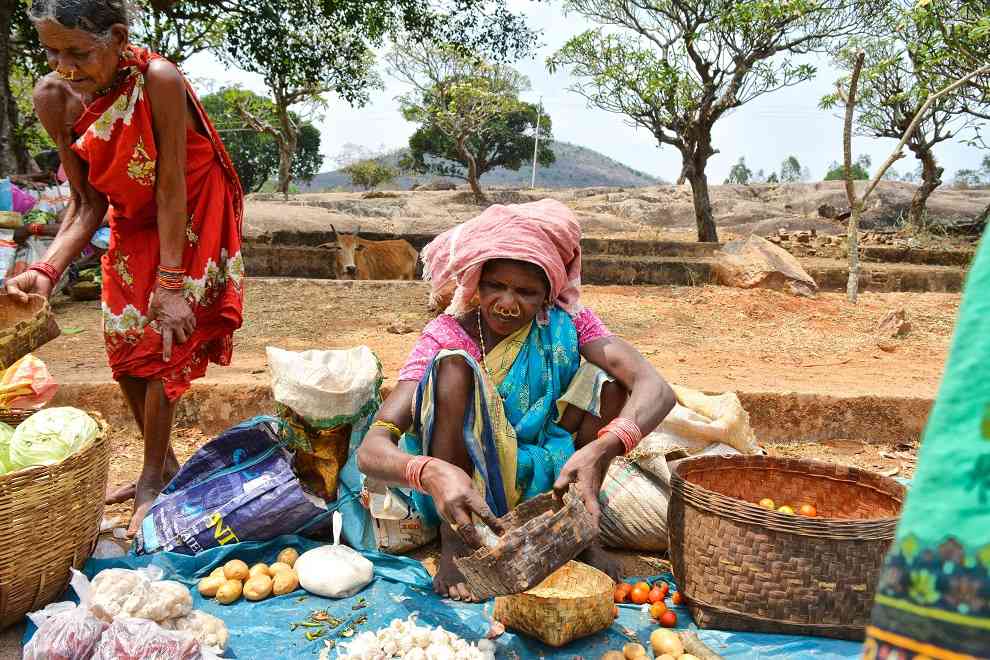
For travellers, Chatikona Weekly Market is one of the best-known places to experience the wider cultural landscape.
Chatikona Weekly Market
Chatikona is especially known for its weekly market, where people from surrounding communities come to trade agricultural and forest products and other goods.
The market is generally associated with Wednesday in Odisha Tourism itineraries.
A visit to Chatikona can therefore be incorporated into a larger itinerary that combines Wednesday’s market with Thursday’s Onukadelli Market.
Why visit the Dongria Kondh region?
The region offers more than a market experience.
The hills, forests, agriculture, traditional products and surrounding villages provide a broader context for understanding Dongria Kondh culture.
Visitors should avoid assuming that every village is open to tourism. Local permission and guidance are important.
4. Kutia Kondh Villages Around Kandhamal and Kotagarh
Kandhamal is another important region for tribal tourism in Odisha.
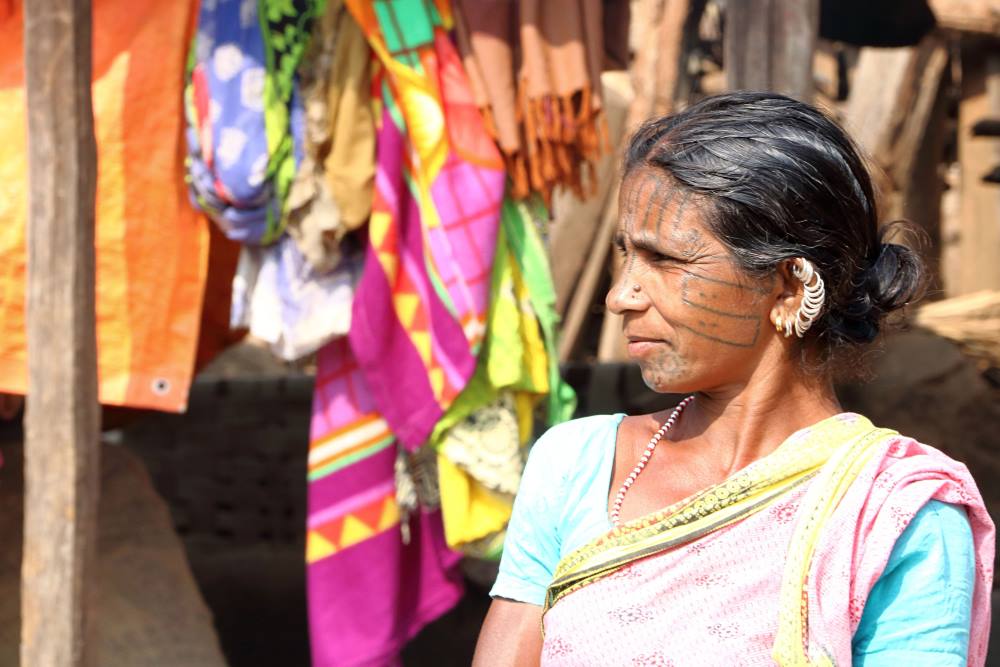
The Kutia Kondh community is associated with the forested and mountainous areas of Kandhamal.
The wider region around Kotagarh is included in Odisha Tourism’s tribal itineraries, including visits to Kutia Kondh areas and villages.
Why visit this region?
Kandhamal provides a different tribal-tourism experience from the southern Koraput-Malkangiri circuit.
The landscape includes:
- Forested hills
- Valleys
- Rural settlements
- Agricultural areas
- Tribal markets
- Traditional cultural practices
The region can also be combined with Daringbadi, which is one of Odisha’s best-known hill destinations and is located in a region associated with Kutia Kondh communities. Odisha Tourism describes Daringbadi as having a combination of cultural, tribal and nature tourism.
Best way to experience the region
Rather than trying to visit multiple villages independently, consider arranging a route through the broader Kandhamal region with a knowledgeable local driver or guide.
This is particularly useful for understanding local customs and identifying places where visitors are appropriately welcomed.
5. Paraja Villages Around Koraput and Kunduli
The Paraja are another important tribal community of southern Odisha.
The Koraput region provides opportunities to learn about Paraja culture through markets, rural landscapes and village experiences.
Kunduli, near Semiliguda, is particularly well known for its weekly tribal market.
What can you experience?
Depending on the itinerary and local conditions, travellers may encounter:
- Rural agricultural landscapes
- Traditional products
- Weekly market activity
- Pottery and handicrafts
- Traditional clothing and ornaments
- Local village life
Kunduli is particularly useful as part of a multi-day itinerary because it allows visitors to experience another community and market after visiting Chatikona and Onukadelli.
6. Saora Villages of Southern Odisha
The Saora, also known as Sora in some contexts, are an important Indigenous community of Odisha.
Saora communities are found in parts of southern Odisha, including areas around Gajapati and Rayagada.
The region is particularly known for distinctive cultural traditions and forms of traditional art.
Travellers interested in Saora culture should consider visiting through a responsible cultural itinerary rather than trying to enter villages independently.
What makes Saora culture interesting?
Saora cultural traditions include distinctive visual art, religious practices, festivals, agricultural traditions and community life.
The exact traditions vary between communities and locations, so avoid assuming that every Saora village follows identical practices.
For travellers interested in tribal art, it is also useful to visit museums and cultural institutions before travelling into rural areas. Odisha’s Tribal Museum in Bhubaneswar provides an introduction to the state’s tribal communities, including dress, ornaments, household objects, musical instruments, photographs and other cultural materials.
7. Didayi Region of Malkangiri
The Didayi are another Indigenous community associated with southern Odisha.
Their traditional region is located in Malkangiri district.
Didayi communities are also associated with the wider cultural landscape around the Bonda region and Onukadelli.
For travellers, the important point is that a visit to Onukadelli does not represent the culture of only one community.
The market provides a window into the wider network of communities that meet for trade.
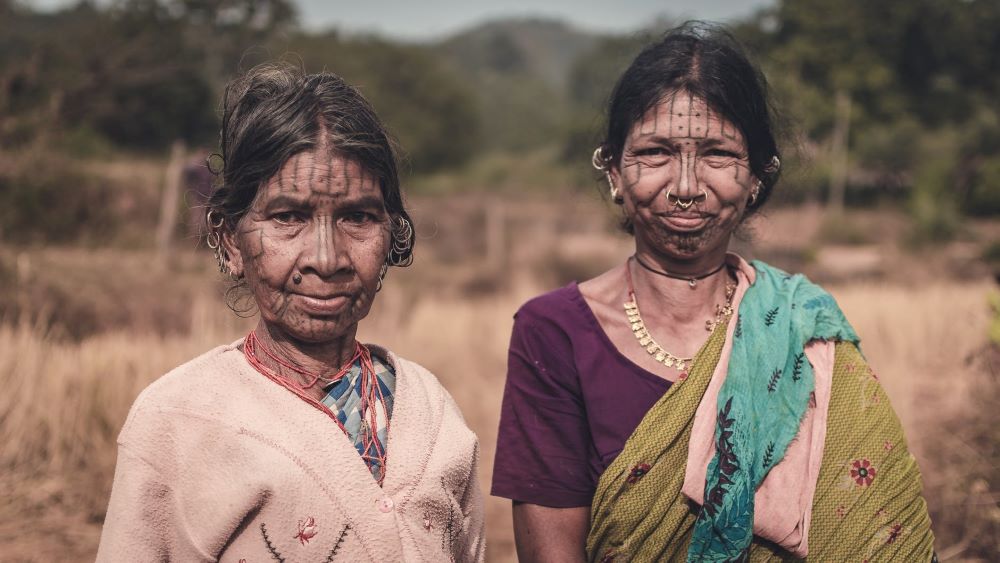
8. Desia Kondh Villages Around Rayagada and Koraput
The Kondh communities are spread across several districts of Odisha and include different cultural groups.
The Desia Kondh are particularly associated with parts of southern Odisha.
Some tribal-tour itineraries include visits to Desia Kondh markets and villages around Rayagada and Jeypore.
This makes the region useful for travellers who want to understand the diversity within Odisha’s Kondh communities rather than treating “Kondh” as a single uniform cultural group.
What can visitors learn?
A carefully arranged village experience can introduce travellers to:
- Agriculture
- Local architecture
- Community life
- Traditional crafts
- Food and local products
- Cultural traditions
- The relationship between villages and surrounding forests
Again, village visits should be arranged respectfully and should not assume that every household wants visitors.
9. Bataguda and Kondh Cultural Region
The Bataguda area is a place where travellers can learn about Kondh communities and rural tribal life.
The broader Rayagada-Kandhamal-Koraput region contains many communities and cultural traditions, so a visit should focus on understanding the particular community and place rather than trying to collect photographs of different groups.
This type of experience works particularly well when combined with a local guide who can explain the context.
10. Tribal Villages Around Deomali and Koraput
Deomali is best known as one of Odisha’s major mountain destinations, but it is also located in a region inhabited by Indigenous communities including Paraja, Kondh and Bonda.
Deomali is about 60 km from Koraput and is described as a region where these communities live.
A Deomali visit therefore works well as part of a broader Koraput cultural itinerary.
However, Deomali itself should primarily be treated as a mountain and landscape destination rather than a place where visitors go specifically to photograph tribal people.
Combine Deomali with Koraput
A practical itinerary could combine:
Koraput → Deomali → Jeypore → Onukadelli → nearby cultural destinations
This gives travellers a balance of nature, landscapes, markets and cultural experiences.
11. Tribal Villages Around Rayagada
Rayagada is one of the most important bases for exploring tribal tourism in southern Odisha.
The district provides access to several markets and cultural regions, including areas associated with Kondh and Dongria Kondh communities.
You can use Rayagada as a base for exploring surrounding markets and villages before continuing toward Chatikona and Jeypore.
Why stay in Rayagada?
Rayagada can be useful because it allows travellers to make excursions into surrounding areas without changing hotels every night.
A typical itinerary can combine:
- Rayagada
- local tribal markets
- Kondh villages
- Chatikona
- Jeypore
- Onukadelli
For international visitors, this can be considerably more comfortable than trying to travel long distances every day.
12. Tribal Villages Around Jeypore and Boriguma
Jeypore is one of the principal bases for exploring the tribal regions of southern Odisha.
The surrounding areas include numerous rural settlements and communities.
Use Jeypore as a base for visiting Onukadelli, Kunduli and surrounding tribal villages.
Boriguma is another location that appears in official tribal-tour itineraries.
The area can therefore serve as a transition between the cultural landscape of Koraput and the tribal markets farther south.
Best Tribal Villages and Regions by Experience
Different travellers may be interested in different types of experiences.
| Experience | Region to Consider |
|---|---|
| Bonda cultural experience | Bonda Hills / Onukadelli |
| Weekly tribal market | Onukadelli / Chatikona / Kunduli |
| Dongria Kondh culture | Chatikona / Niyamgiri region |
| Gadaba culture | Koraput / Onukadelli region |
| Paraja culture | Koraput / Kunduli region |
| Kutia Kondh culture | Kandhamal / Kotagarh / Daringbadi region |
| Saora culture | Southern Odisha / Gajapati-Rayagada region |
| Mountain + tribal landscape | Deomali / Koraput |
| Multiple communities | Rayagada–Koraput–Jeypore circuit |
This table should be understood as a planning guide, not a ranking. The communities and experiences are different rather than directly comparable.
Best Time for a Tribal Village Tour in Odisha
The most comfortable period for exploring the tribal regions of Odisha is generally during the cooler and drier months.
October to March is particularly suitable for many road-based itineraries.
However, the best time also depends on the weekly markets you want to visit.
For example:
- Chatikona is associated with a Wednesday market in Odisha Tourism itineraries.
- Onukadelli is associated with a Thursday market.
- Kunduli is associated with a Friday market.
- Kotagarh is associated with a Tuesday market in an Odisha Tourism itinerary.
This makes it possible to build an itinerary around market days.
Always confirm current market schedules before travelling because local circumstances can change.
How Many Days Do You Need?
3–4 Days
A short southern Odisha tribal experience could focus on:
Jeypore → Onukadelli → Koraput → Deomali
This works well for travellers with limited time.
5–7 Days
A more comprehensive route could include:
Rayagada → Chatikona → Jeypore → Onukadelli → Koraput → Deomali
This allows travellers to experience more than one community and market.
8–10 Days
A longer tribal circuit could include:
Rayagada → Chatikona → Koraput → Jeypore → Onukadelli → Kunduli → southern Odisha villages → return journey
The exact route should be adjusted according to market days, accommodation and road conditions.
Suggested 7-Day Odisha Tribal Village Itinerary
Day 1: Arrival in Rayagada
Arrive in Rayagada and settle into your accommodation.
Depending on your arrival time, explore the town and prepare for the following day’s excursion.
Day 2: Rayagada Tribal Region
Explore a nearby tribal market or village region with a local guide.
Spend the night in Rayagada.
Day 3: Chatikona and Dongria Kondh Region
Visit the Chatikona weekly market if your itinerary falls on the appropriate market day.
Continue toward Jeypore.
Day 4: Jeypore and Local Villages
Use Jeypore as a base for exploring the surrounding cultural landscape.
Day 5: Onukadelli Market
Plan the itinerary around Thursday.
Visit Onukadelli Market and, where appropriately arranged, nearby Gadaba cultural areas.
Return to Jeypore or stay at a suitable nearby location.
Day 6: Koraput and Deomali
Explore Koraput and travel toward Deomali for mountain scenery and the surrounding cultural landscape.
Day 7: Departure
Return toward your onward destination.
The route can be modified depending on whether you are travelling toward Bhubaneswar, Visakhapatnam or another gateway.
How to Visit Tribal Villages Responsibly
Responsible travel is particularly important when visiting rural tribal communities.
Ask before taking photographs
Never assume that people want to be photographed.
Respect privacy
Do not enter homes, farms or private areas without permission.
Do not photograph children without permission
Parents or guardians should provide appropriate consent.
Do not treat people as attractions
Avoid language or behaviour that makes people feel like they are being displayed for visitors.
Buy locally when appropriate
If local crafts or products are offered for sale, purchasing directly can support local economic activity.
Avoid aggressive bargaining
A small difference in price may be insignificant to a traveller but meaningful to a local seller.
Avoid distributing gifts to children
Random gifts or money can create unintended problems.
Follow local guides and authorities
Access conditions can vary between villages.
Reduce plastic waste
Carry a reusable water bottle and take your waste with you where appropriate.
Do not disturb religious or cultural activities
If a ceremony or ritual is taking place, observe from an appropriate distance unless invited.
Photography Tips for Tribal Village Visits
Photography can be an important part of a travel experience, but it should always be secondary to respect.
Before taking a portrait:
- Make eye contact.
- Politely ask permission.
- Wait for an answer.
- Respect a refusal.
- Do not repeatedly ask.
- Do not touch the person or their clothing.
- Do not stage a scene without genuine consent.
Landscape and market photographs can often be easier, but individuals should still be treated respectfully.
If you are creating commercial photography, documentary work or professional content, obtain appropriate permissions before the trip.
What Should You Pack?
For a tribal village tour through southern Odisha, carry:
- Comfortable walking shoes
- Lightweight clothing
- Sun protection
- Hat or cap
- Reusable water bottle
- Rain jacket during the monsoon or shoulder seasons
- Insect repellent
- Personal medicines
- Power bank
- Small daypack
- Camera and spare battery if required
- Some cash for rural areas
Avoid carrying unnecessary valuables.
Should You Hire a Local Guide?
For first-time visitors, particularly international travellers, a knowledgeable local guide can be extremely useful.
A good guide can help with:
- Local communication
- Understanding customs
- Identifying appropriate places to visit
- Photography etiquette
- Market-day planning
- Road navigation
- Avoiding inappropriate behaviour
- Understanding the difference between communities
A guide should act as a bridge between visitors and local communities rather than encouraging intrusive interactions.
Tribal Markets vs Tribal Villages
It is important to understand the difference.
A weekly market is a public economic space where people gather for trade.
A village is a place where people live.
Visitors may have more freedom to observe a public market, but that does not mean they can enter private areas or photograph everyone.
Village visits require greater sensitivity and should be arranged with appropriate local permission.
This distinction is especially important when planning tribal tourism in southern Odisha.
Where to Start Your Odisha Tribal Village Tour
For most travellers, Rayagada, Jeypore or Koraput can serve as useful bases for exploring southern Odisha.
Your starting point depends on your arrival route and the markets you want to visit.
For example:
Bhubaneswar → Gopalpur → Rayagada → Chatikona → Jeypore → Onukadelli → Koraput → Bhubaneswar
can create a balanced route combining:
- Tribal markets
- Tribal cultural regions
- Mountain scenery
- Local villages
- Southern Odisha landscapes
Travellers arriving from Visakhapatnam can also build a southern Odisha itinerary around Rayagada, Koraput and Jeypore.
Odisha Tribal Tours and Village Experiences
If you prefer not to arrange every vehicle, hotel and market day yourself, a planned tribal tour can simplify the journey.
Our Odisha Tribal Tours can be used as a starting point for exploring southern Odisha’s tribal regions.
Travellers interested specifically in village experiences can also explore our Odisha Tribal Village Tour.
For a wider cross-border itinerary, our Odisha–Chhattisgarh Tribal Tour can be considered.
For a more traditional multi-destination route, see our Classic Odisha Tribal Tour.
And for travellers looking for a more comprehensive or customized experience, explore our Exclusive Odisha Tribal Tour.
Frequently Asked Questions
Which are the best tribal villages to visit in Odisha?
Some of the best-known tribal regions for cultural travel include the areas around Koraput, Rayagada, Jeypore, Onukadelli, Chatikona, Kandhamal and Malkangiri. The appropriate village to visit depends on the community, market day and local access.
Which tribal community is famous in Koraput?
Koraput and the surrounding southern Odisha region are associated with several communities, including Gadaba, Paraja, Kondh, Bonda and others. It is important not to treat them as one single culture.
Where can I experience Bonda culture?
The Bonda cultural region is associated with the Bonda Hills of Malkangiri. Onukadelli Market is one of the best-known public market experiences connected with the Bonda community.
Which tribal market should I visit in Odisha?
There is no single answer because different markets are associated with different communities. Chatikona, Onukadelli, Kunduli and other weekly markets provide different cultural contexts.
What is the best time for an Odisha tribal tour?
October to March is generally comfortable for many road-based itineraries, although market days and local conditions should also determine your dates.
Can foreign tourists visit tribal villages in Odisha?
Travelers should check current rules and local access conditions. Some villages may not be appropriate for independent visits, so a responsible local operator or guide can be useful.
Can I photograph tribal people?
Ask permission first and respect a refusal. Never assume that traditional clothing means someone wants to be photographed.
How many days are needed for an Odisha tribal tour?
A short 3–4 day trip can cover part of the Koraput region, while 7–10 days allows travellers to combine Rayagada, Chatikona, Jeypore, Onukadelli, Koraput and other destinations.
Final Thoughts
The best tribal tourism experiences in Odisha are not about collecting photographs or ticking villages off a list.
They are about understanding the relationship between people, landscape, markets, agriculture, language, crafts and community life.
Southern Odisha offers some of India’s most interesting cultural landscapes, particularly around Rayagada, Koraput, Jeypore and Malkangiri.
A responsible traveller takes time, asks permission, listens to local guidance and remembers that every village is someone’s home.
If you are planning your first tribal journey through Odisha, begin with our Complete Odisha Tribal Tourism Guide 2026, then choose the regions and markets that fit your interests and travel dates.
For travellers who want help arranging transportation, accommodation, market-day visits and a customized route, TourismOrissa.org can help plan a responsible Odisha tribal tour.