Sambalpur, situated along the banks of the Mahanadi River in western Odisha, is a fascinating destination known for its magnificent Hirakud Dam, ancient temples, scenic waterfalls, rich cultural heritage and traditional Sambalpuri handloom textiles. From sacred religious sites to peaceful natural landscapes, the city and its surrounding region offer a variety of experiences for travellers.
If you are searching for the best places to visit in Sambalpur, you will find everything from the famous Maa Samaleswari Temple and Huma Leaning Temple to the vast Hirakud Reservoir, beautiful Gudguda Waterfall and wildlife-rich forests of Debrigarh.
Whether you are planning a weekend getaway, a family holiday, a pilgrimage or an extended sightseeing trip, Sambalpur offers attractions suitable for different travel interests.
Some tourist places are located within the city, while others require a short drive or a dedicated day excursion. Planning your sightseeing according to distance and available time will help you enjoy the destination without unnecessary rushing.
In this guide, we explore 15 popular and worthwhile tourist attractions in and around Sambalpur, along with practical travel tips and suggested itineraries.
For a complete overview of transportation, accommodation, seasonal planning and detailed itineraries, read our Sambalpur Travel Guide 2026.
15 Best Tourist Places in Sambalpur at a Glance
| No. | Tourist attraction | Best for |
|---|---|---|
| 1 | Hirakud Dam | Reservoir views, photography and sightseeing |
| 2 | Maa Samaleswari Temple | Pilgrimage and cultural heritage |
| 3 | Huma Leaning Temple | Architecture and spirituality |
| 4 | Ghanteswari Temple | Religious heritage and river scenery |
| 5 | Chiplima | Riverside landscapes and sightseeing |
| 6 | Gudguda Waterfall | Nature, waterfalls and photography |
| 7 | Debrigarh Wildlife Sanctuary | Wildlife safaris and birdwatching |
| 8 | Hirakud Reservoir | Scenic views and nature experiences |
| 9 | Gandhi Minar | Panoramic views of Hirakud Dam |
| 10 | Jawahar Minar | Reservoir viewpoints and photography |
| 11 | Ushakothi Wildlife Area | Forest landscapes and wildlife heritage |
| 12 | Budharaja Temple | Local pilgrimage and hilltop surroundings |
| 13 | Sambalpuri Handloom Markets | Shopping and traditional textiles |
| 14 | Kandhara | Religious heritage and peaceful countryside |
| 15 | Deojharan Waterfall | It is situated near Deojharan Dam |
Note: This list includes attractions within Sambalpur city and several destinations in the wider western Odisha region. Some require longer excursions, and access to certain viewpoints or forest areas may be restricted.
1. Hirakud Dam – The Most Famous Tourist Attraction in Sambalpur
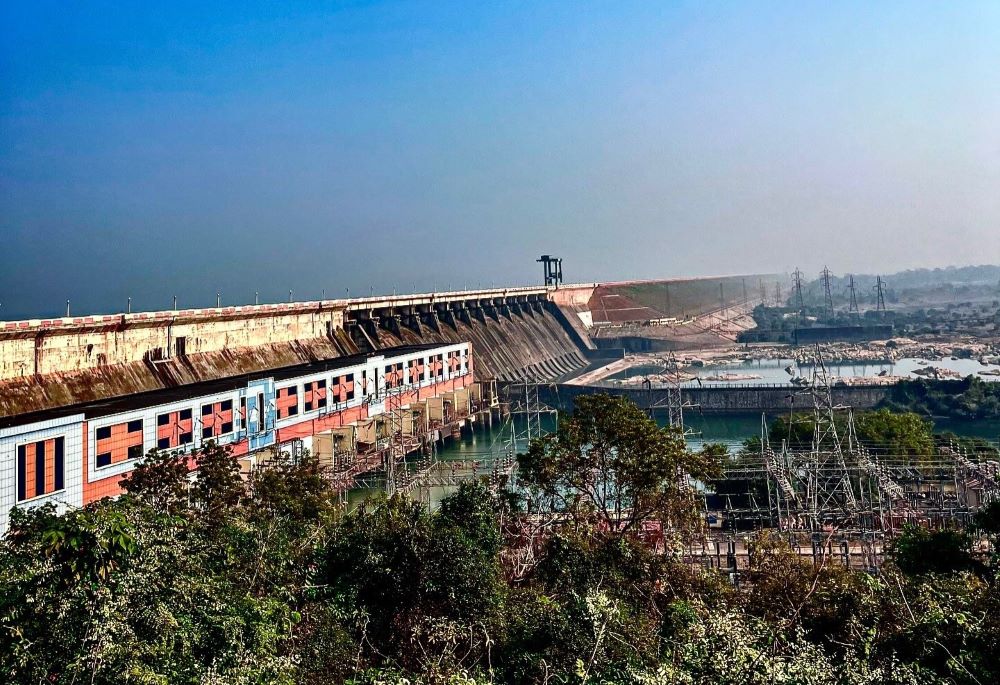
Hirakud Dam is undoubtedly one of Sambalpur’s most famous places to visit. Built across the Mahanadi River, the dam is a major multipurpose river valley project and a key landmark in western Odisha.
Located approximately 15–16 km from Sambalpur city, Hirakud Dam is known for its enormous reservoir, surrounding hills and beautiful panoramic views.
The dam attracts tourists, photographers, engineering enthusiasts and families who want to experience one of Odisha’s most recognisable attractions.
Visitors can enjoy views of the reservoir from designated observation points, subject to current opening hours and access regulations.
The scenery is particularly beautiful during the cooler months, when the weather is comfortable for sightseeing and outdoor photography.
Why visit Hirakud Dam?
-
Enjoy beautiful panoramic views of Hirakud Reservoir.
-
Explore one of Odisha’s important engineering landmarks.
-
Capture scenic photographs of the reservoir and surrounding hills.
-
Combine the visit with other Sambalpur sightseeing attractions.
Recommended visit duration: 1–2 hours, excluding travel.
For detailed information about viewpoints, visitor access and activities, read our Hirakud Dam Travel Guide.
2. Maa Samaleswari Temple – The Spiritual Heart of Sambalpur
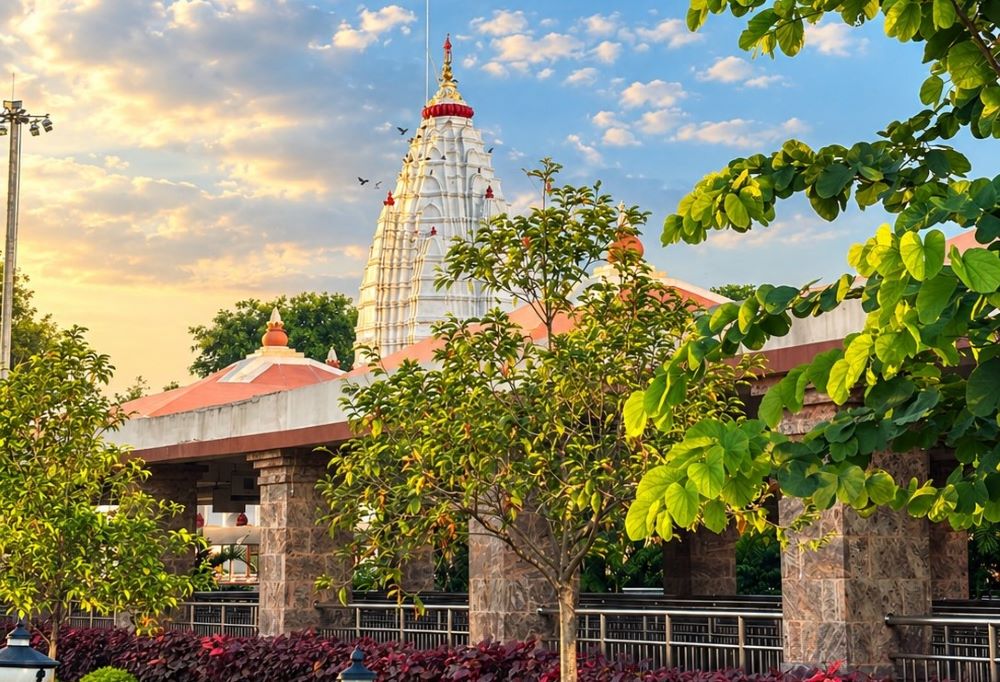
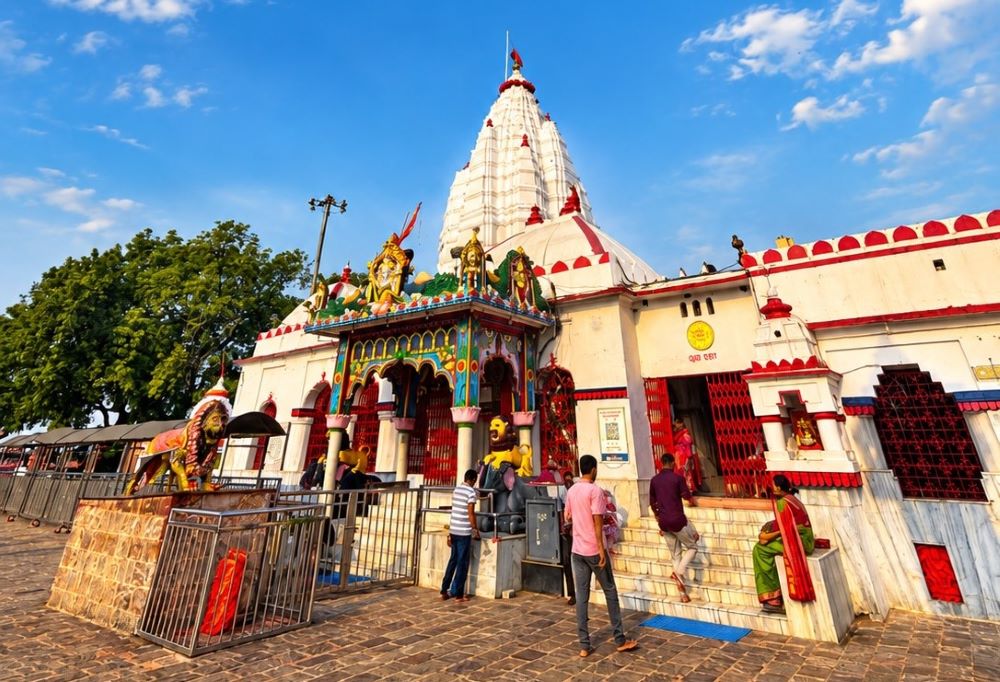
Maa Samaleswari Temple is one of the most important religious destinations in western Odisha and a major attraction for visitors exploring Sambalpur.
Dedicated to Goddess Samaleswari, the presiding deity of Sambalpur, the temple holds immense spiritual and cultural significance.
Situated near the Mahanadi River, the temple attracts devotees throughout the year, particularly during important religious festivals.
The temple is closely associated with the cultural identity of the Sambalpur region, making it an essential destination for travellers interested in Odisha’s traditions.
Visitors can offer prayers, admire the temple architecture and experience the peaceful spiritual atmosphere.
Why visit Maa Samaleswari Temple?
-
Seek blessings from Goddess Samaleswari.
-
Experience the religious traditions of western Odisha.
-
Explore one of Sambalpur’s most important cultural landmarks.
-
Include the temple in a short family or pilgrimage itinerary.
Recommended visit duration: 45–90 minutes, depending on crowds.
3. Huma Leaning Temple – A Unique Shiva Temple Beside the Mahanadi
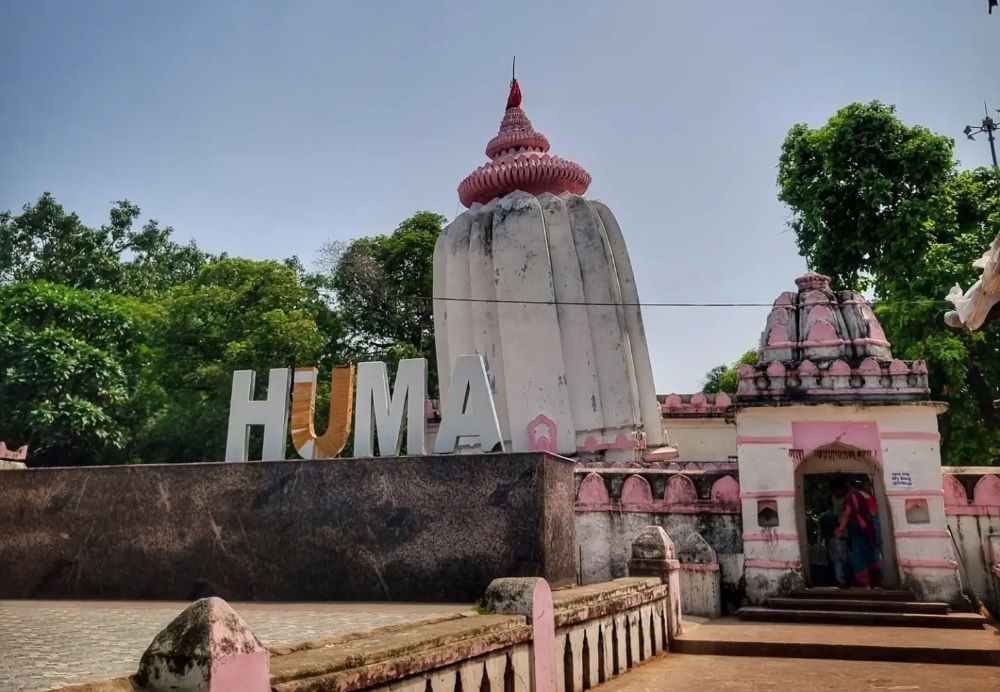
Huma Leaning Temple is one of the most distinctive tourist attractions near Sambalpur.
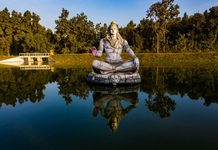
Located approximately 25–26 km from Sambalpur, the temple is dedicated to Lord Shiva and stands along the banks of the Mahanadi River.
The temple is widely recognised for its visibly leaning structure, making it an interesting destination for pilgrims, architecture enthusiasts and curious travellers.
Its peaceful riverside setting adds to the attraction.
Visitors may also observe fish in the nearby river, traditionally considered sacred by local devotees.
Huma Temple is especially popular among travellers who want to combine religious sightseeing with a unique architectural experience.
Why visit Huma Leaning Temple?
-
See the temple’s unusual leaning structure.
-
Offer prayers at an important Shiva shrine.
-
Enjoy the peaceful riverside surroundings.
-
Explore one of the region’s distinctive religious landmarks.
Recommended visit duration: 45–60 minutes, excluding travel.
4. Ghanteswari Temple – The Temple of Bells
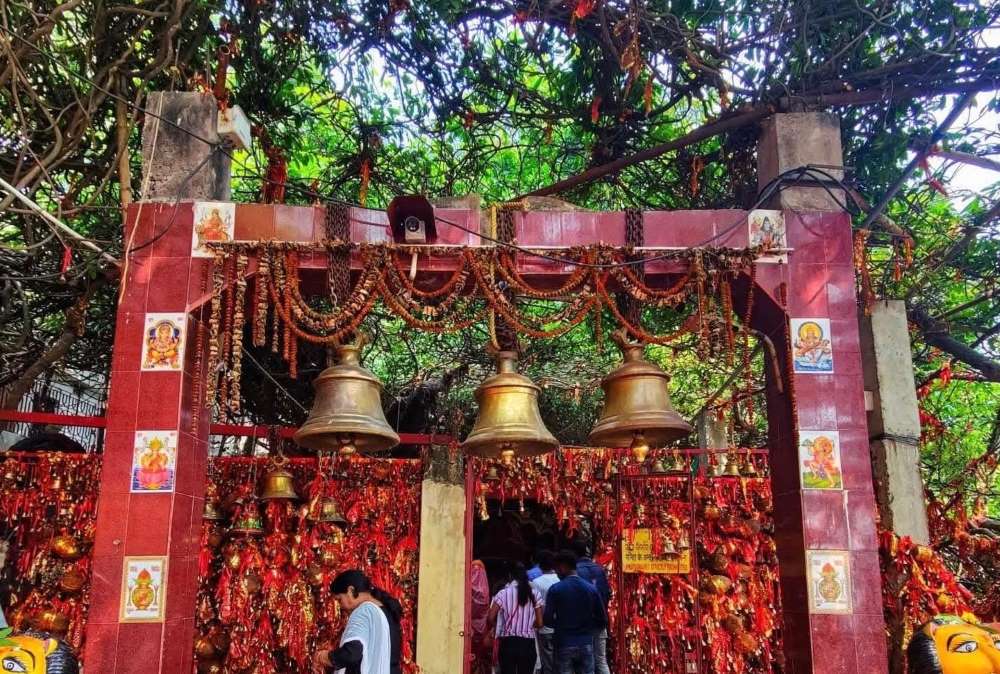
Ghanteswari Temple is a famous religious attraction near Sambalpur, known for the numerous bells offered by devotees.
The temple’s name is closely associated with these bells, which create a distinctive atmosphere around the shrine.
Located in the Chiplima area, Ghanteswari Temple is also associated with the historical navigation of the Mahanadi River.
According to local traditions, bells were connected with warnings to river travellers navigating the area.
Today, the temple attracts pilgrims and sightseeing visitors who want to experience its unique cultural and religious significance.
Why visit Ghanteswari Temple?
-
See the many bells hanging around the shrine.
-
Experience the temple’s religious atmosphere.
-
Learn about its association with local river traditions.
-
Combine the visit with sightseeing around Chiplima.
Recommended visit duration: 30–60 minutes, excluding travel.
5. Chiplima – A Scenic Riverside Destination
Chiplima is an attractive destination near Sambalpur, known for its river landscapes and association with the Chiplima hydropower project.
The surrounding region features greenery, peaceful countryside and views of the Mahanadi River.
Chiplima is often included in sightseeing itineraries alongside Ghanteswari Temple.
Travellers interested in exploring quieter destinations around Sambalpur may enjoy visiting the accessible public areas of Chiplima.
However, access to hydropower infrastructure and certain surrounding locations may be restricted.
Why visit Chiplima?
-
Enjoy the natural surroundings of the Mahanadi River.
-
Explore peaceful countryside landscapes.
-
Combine the excursion with Ghanteswari Temple.
-
Experience a quieter side of Sambalpur tourism.
Recommended visit duration: 30–60 minutes, excluding travel.
6. Gudguda Waterfall – A Beautiful Nature Escape Near Sambalpur
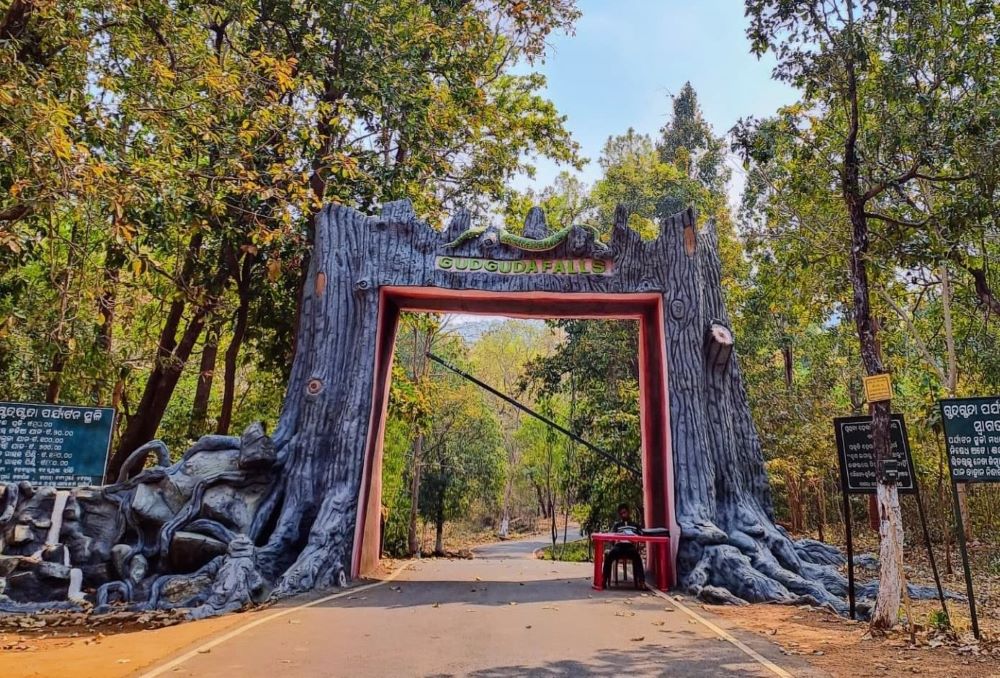
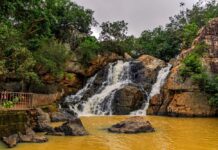
Gudguda Waterfall is one of the most attractive natural destinations in the wider Sambalpur region.
Situated near the Kuchinda side of Sambalpur district, the waterfall is surrounded by forested hills, rocky formations and beautiful greenery.
The waterfall is particularly appealing to nature lovers, photographers and travellers seeking a peaceful break from city sightseeing.
During and after the monsoon, the surrounding vegetation becomes lush, creating a refreshing natural atmosphere.
However, visitors should exercise caution near wet rocks, slippery surfaces and flowing water.
Gudguda Waterfall is approximately 115 km from Sambalpur, depending on the route, making it more suitable for a dedicated excursion than a quick sightseeing stop.
Why visit Gudguda Waterfall?
-
Enjoy beautiful waterfall and forest scenery.
-
Capture photographs of the natural surroundings.
-
Experience a peaceful excursion away from the city.
-
Discover one of the region’s attractive nature destinations.
Recommended visit duration: 1–2 hours at the site, plus several hours of road travel.
Travellers interested in visiting Gudguda Waterfall can explore our Sambalpur Tour Package, which includes a dedicated waterfall excursion.
7. Debrigarh Wildlife Sanctuary – Best for Wildlife Safaris and Nature Lovers
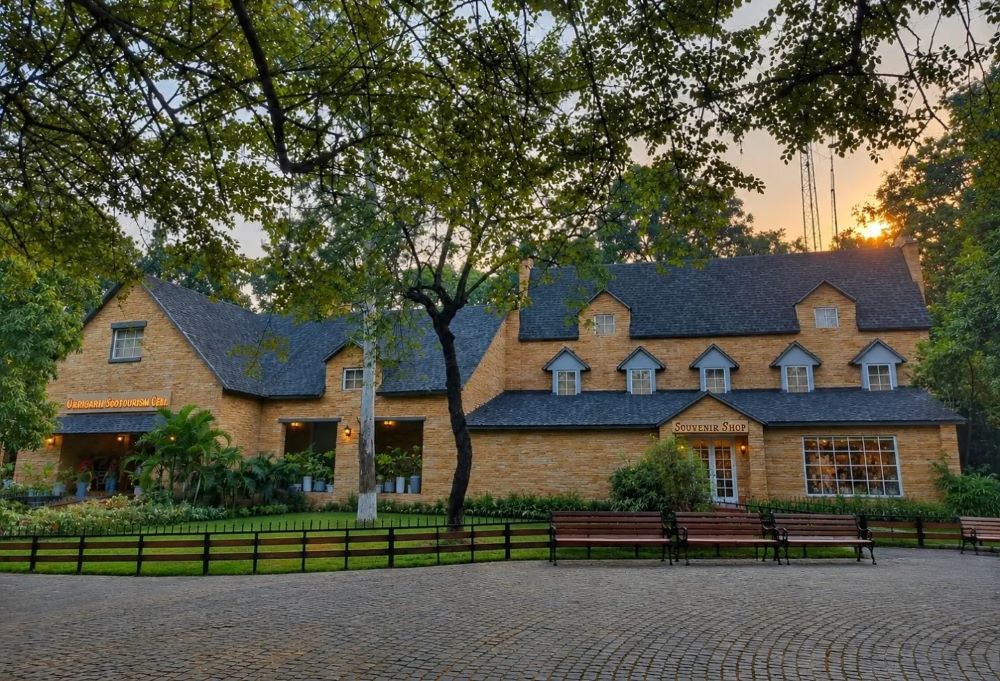
Debrigarh Wildlife Sanctuary is one of the most rewarding wildlife destinations near Sambalpur.
Located in Bargarh district near Hirakud Reservoir, the sanctuary is known for its dry deciduous forests, scenic hills, grasslands and diverse wildlife habitats.
The sanctuary supports wildlife such as spotted deer, sambar, gaur, wild boar and various bird species.
Guided wildlife safaris provide opportunities to explore authorised forest routes and observe animals in their natural environment.
Debrigarh is also popular with birdwatchers, wildlife photographers and travellers looking for peaceful nature experiences.
For a more relaxed experience, consider spending at least one night near the sanctuary rather than rushing through a day trip.
Why visit Debrigarh Wildlife Sanctuary?
-
Enjoy guided wildlife safaris, subject to availability.
-
Look for deer, gaur, wild boar and bird species.
-
Explore forest landscapes near Hirakud Reservoir.
-
Experience a peaceful wildlife-focused holiday.
Recommended visit duration: Half a day to two nights, depending on safari arrangements.
For booking information, forest entry requirements and safari planning, read our Debrigarh Wildlife Sanctuary Safari Guide.
You can also explore our Debrigarh Tour Package – 2 Nights 3 Days for a dedicated wildlife holiday.
8. Hirakud Reservoir – Scenic Water Landscapes and Birdwatching
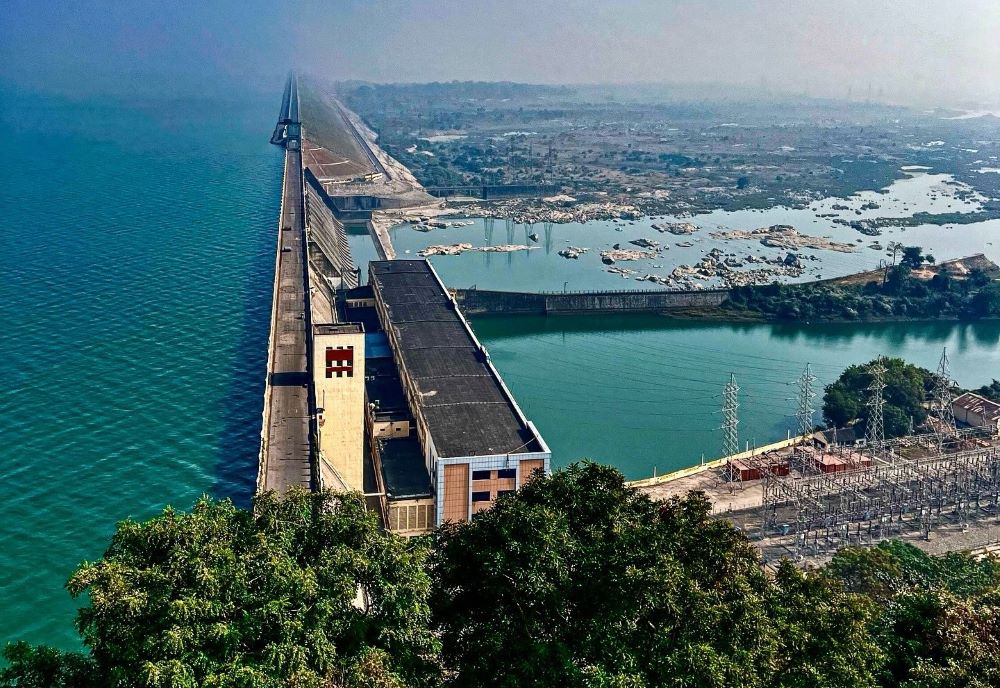
Hirakud Reservoir is one of the most impressive natural and man-made landscapes in western Odisha.
Created by the construction of Hirakud Dam across the Mahanadi River, the reservoir stretches across a vast area surrounded by hills, forests and countryside.
Its scenic surroundings attract visitors interested in landscape photography, birdwatching and peaceful nature experiences.
Different sections of the reservoir offer different views, and the scenery changes with the seasons and water levels.
Birdwatchers may find interesting opportunities around suitable reservoir habitats, particularly during the cooler months.
Visitors should use designated viewpoints and authorised activity providers.
Why visit Hirakud Reservoir?
-
Enjoy expansive water views and surrounding hills.
-
Experience peaceful natural scenery.
-
Look for birds from permitted viewing areas.
-
Capture landscape and nature photographs.
Recommended visit duration: 1–2 hours at a selected viewpoint.
9. Gandhi Minar – Panoramic Views of Hirakud Dam
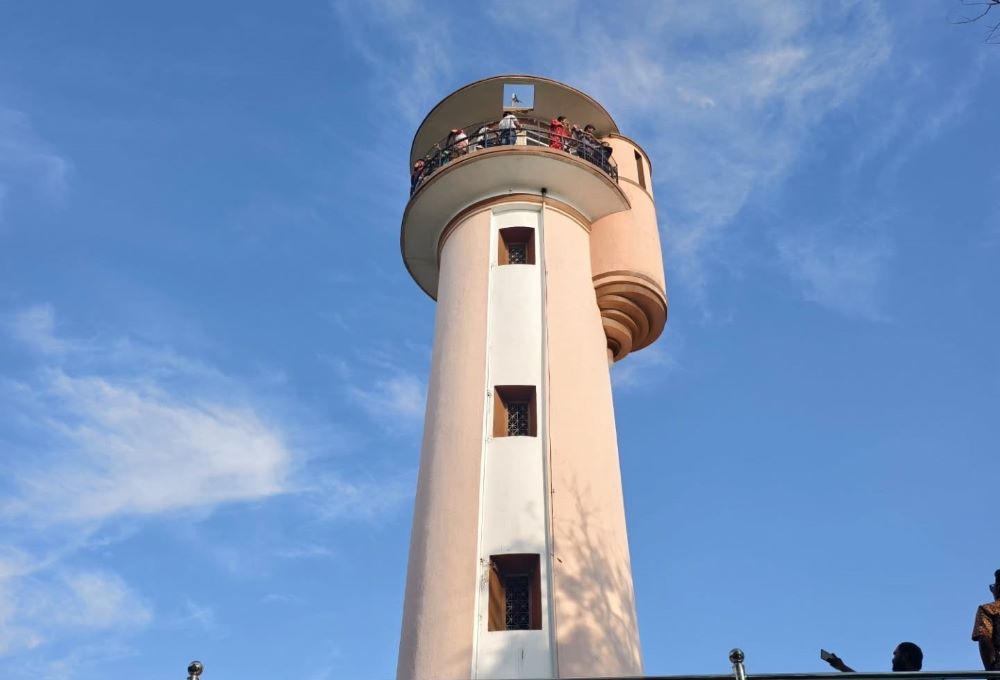
Gandhi Minar is one of the well-known observation towers associated with Hirakud Dam.
The viewpoint is popular for its elevated views of the dam, reservoir and surrounding landscapes.
For travellers interested in photography, the panoramic scenery makes Gandhi Minar an attractive stop during a Hirakud sightseeing excursion.
The view helps visitors appreciate the scale of the reservoir and the engineering significance of the dam.
Access to the tower is subject to current opening hours, visitor regulations and maintenance arrangements.
Why visit Gandhi Minar?
-
Enjoy elevated views of Hirakud Dam.
-
Photograph the surrounding reservoir landscapes.
-
Appreciate the scale of the dam and water body.
-
Combine the visit with other Hirakud attractions.
Recommended visit duration: 20–40 minutes, subject to access.
10. Jawahar Minar – Another Famous Hirakud Viewpoint
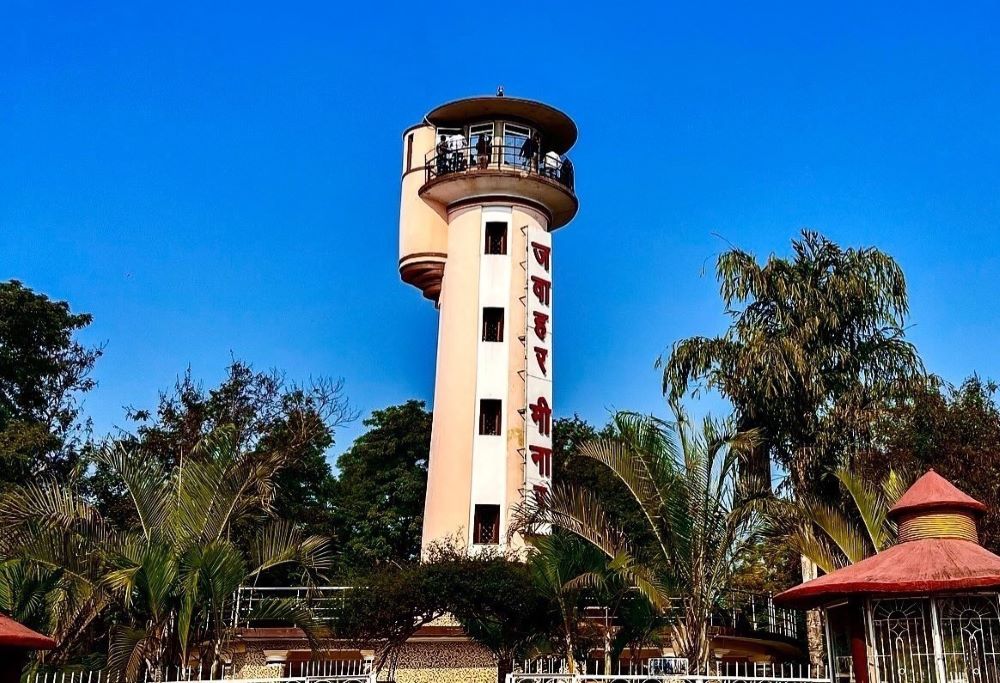
Jawahar Minar is another observation tower associated with Hirakud Dam.
It is known for providing views of the dam and the surrounding reservoir landscape from a different perspective.
Travellers interested in sightseeing and landscape photography may consider including Jawahar Minar in their Hirakud excursion.
However, public access may be restricted or subject to specific permissions.
Visitors should confirm whether the viewpoint is open before including it in their itinerary.
Why visit Jawahar Minar?
-
Experience a different perspective of Hirakud Dam.
-
Enjoy views of the reservoir and surrounding hills.
-
Explore another landmark associated with the dam.
-
Capture photographs where visitor access is permitted.
Recommended visit duration: 20–40 minutes, if open to visitors.
11. Ushakothi – A Historic Name Associated with Debrigarh’s Forests
Ushakothi is a name historically associated with the forest and wildlife landscape around Debrigarh in western Odisha.
The region is characterised by dry deciduous forests, hills and wildlife habitats.
Travellers interested in forest landscapes and conservation history may encounter references to Ushakothi while researching wildlife tourism around Sambalpur.
However, Ushakothi should not be treated as a separate, freely accessible wildlife safari destination without confirming current forest department arrangements.
For practical wildlife tourism, visitors should focus on authorised Debrigarh safari routes and approved accommodation facilities.
Why explore the Ushakothi region?
-
Learn about the wildlife heritage of western Odisha.
-
Appreciate the forest landscapes associated with Debrigarh.
-
Discover the region’s conservation significance.
-
Include authorised wildlife experiences in a longer nature itinerary.
Recommended visit duration: Depends on approved access and safari arrangements.
12. Budharaja Temple – A Peaceful Religious Attraction in Sambalpur
Budharaja Temple is a local religious attraction situated in the Sambalpur area.
Dedicated to Lord Shiva, the temple is associated with the city’s spiritual traditions and is located on elevated terrain.
The surroundings provide a quieter experience compared with some of Sambalpur’s major tourist landmarks.
Travellers interested in exploring local religious sites can consider including Budharaja Temple during their city sightseeing.
The visit can be combined with Maa Samaleswari Temple and nearby attractions, depending on available time.
Why visit Budharaja Temple?
-
Explore a local Shiva temple.
-
Experience Sambalpur’s religious traditions.
-
Enjoy the temple’s elevated surroundings.
-
Include a less crowded attraction in your city itinerary.
Recommended visit duration: 30–45 minutes.
13. Sambalpuri Handloom Markets – Discover Odisha’s Traditional Textiles
Sambalpur is famous for its traditional handloom textiles, particularly Sambalpuri sarees.
These textiles are admired for their intricate patterns, vibrant colours and distinctive tie-dye weaving techniques.
Exploring the city’s handloom shops is an excellent way to experience the artistic traditions of western Odisha.
Visitors can find Sambalpuri sarees, dress materials, scarves and other handwoven products.
The region’s textile heritage reflects generations of craftsmanship and continues to play an important role in local culture.
Travellers interested in traditional weaving can also explore opportunities to visit weaving communities by prior arrangement.
Why visit Sambalpuri Handloom Markets?
-
Discover traditional Sambalpuri sarees and textiles.
-
Appreciate Odisha’s weaving craftsmanship.
-
Shop for authentic local souvenirs.
-
Experience an important part of Sambalpur’s cultural identity.
Recommended visit duration: 1–2 hours.
14. Kandhara – A Quiet Heritage Destination in the Sambalpur Region
Kandhara is associated with the spiritual and cultural heritage of western Odisha, particularly the tradition of the saint-poet Bhima Bhoi and the Mahima Dharma movement.
It is a destination of interest for travellers who want to explore the region’s lesser-known religious history.
Unlike Hirakud Dam or Maa Samaleswari Temple, Kandhara is not a conventional sightseeing attraction with extensive tourist facilities.
The journey is better suited to visitors with a specific interest in local history, spiritual traditions and rural Odisha.
Before planning a visit, confirm the exact location, road access and availability of local guidance.
Why visit Kandhara?
-
Learn about the region’s spiritual heritage.
-
Explore a lesser-known cultural destination.
-
Discover connections with Bhima Bhoi and Mahima Dharma.
-
Experience the rural landscapes of western Odisha.
Recommended visit duration: Plan as a separate heritage excursion after confirming the route.
15. Deojharan Waterfall – A Scenic Forest Escape in Sambalpur
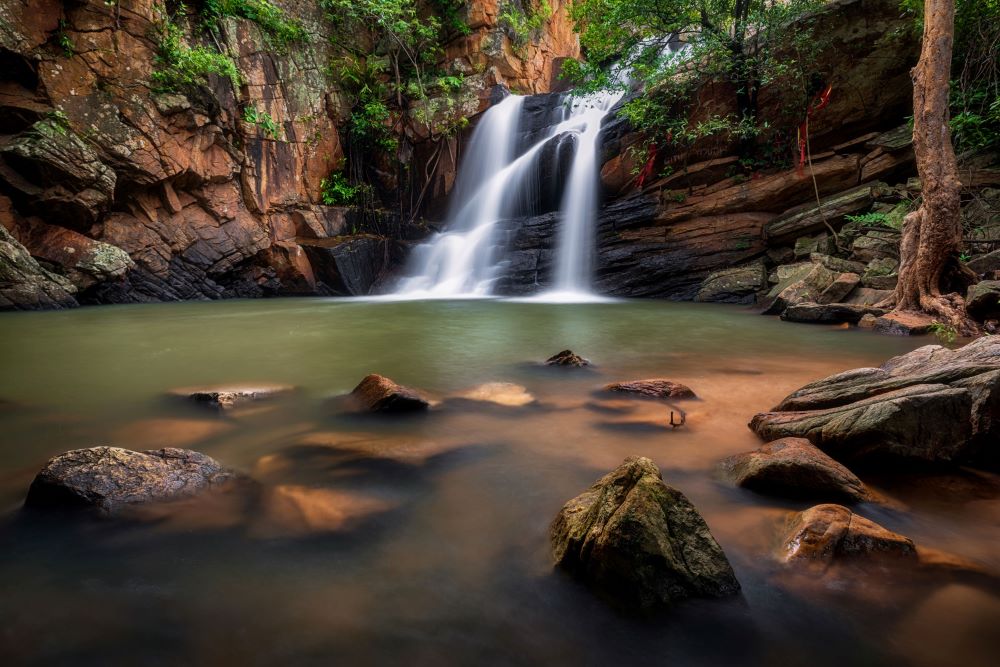
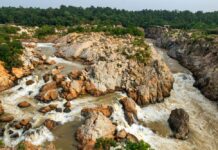
Deojharan Waterfall, also known as Debjharan Waterfall, is a beautiful natural attraction located near Jujomura in Sambalpur district, approximately 40 km from Sambalpur city. Surrounded by forested hills, rocky landscapes and lush greenery, it is an excellent destination for nature lovers, photographers and travellers seeking a peaceful escape.
The waterfall is situated near Deojharan Dam, making the area particularly attractive for a nature-focused day trip. Visitors can enjoy the forest scenery, admire the cascading water and explore the surrounding landscape.
The waterfall is especially beautiful during and after the monsoon, when the vegetation becomes greener and the water flow increases. However, slippery rocks and sudden changes in water flow can make the area dangerous during heavy rainfall.
Why visit Deojharan Waterfall?
- Discover a scenic waterfall within Sambalpur district.
- Enjoy forest landscapes and nature photography.
- Explore the nearby Deojharan Dam.
- Experience a peaceful countryside excursion.
- Include a lesser-known natural attraction in your Sambalpur itinerary.
Best time to visit: September to February, depending on rainfall and local accessibility.
Recommended visit duration: 1–2 hours, excluding travel time.
Travel tip: Carry drinking water, wear comfortable walking shoes and avoid entering the water during strong currents or heavy rainfall.
Best Time to Visit Sambalpur Tourist Places
The best time to explore Sambalpur is generally October to February, when the weather is comparatively pleasant for sightseeing, temple visits and outdoor activities.
October to February – Best for Sightseeing
Winter is the most comfortable season for visiting Hirakud Dam, Maa Samaleswari Temple, Huma Leaning Temple and Ghanteswari Temple.
The pleasant weather also makes it easier to explore attractions outside the city.
March to May – Summer Season
Sambalpur experiences high temperatures during summer.
Travellers should plan outdoor sightseeing during the early morning or late afternoon and carry sufficient drinking water.
June to September – Monsoon Season
The monsoon brings greenery to the surrounding forests and countryside.
Waterfalls such as Gudguda and Pradhanpat may become more scenic during and after rainfall.
However, heavy rain can affect road access and make waterfall surroundings slippery.
For detailed seasonal information, read our Best Time to Visit Sambalpur: Weather, Seasons & Travel Tips.
Suggested Sambalpur Sightseeing Itineraries
The ideal number of days depends on the attractions you want to visit.
Sambalpur 1 Night 2 Days Itinerary
Day 1: Arrival in Sambalpur, Maa Samaleswari Temple, Hirakud Dam and Sambalpuri handloom markets.
Day 2: Huma Leaning Temple, Ghanteswari Temple and departure.
This itinerary is suitable for travellers with an early arrival and late departure. Both temples on Day 2 require additional driving.
Explore our Sambalpur 1 Night 2 Days Tour Package.
Sambalpur 2 Nights 3 Days Itinerary
Day 1: Arrival, Maa Samaleswari Temple and local sightseeing.
Day 2: Hirakud Dam, Ghanteswari Temple and Chiplima.
Day 3: Huma Leaning Temple and departure.
This itinerary allows more time for sightseeing and is suitable for families and couples.
Explore our Sambalpur 2 Nights 3 Days Tour Package.
Sambalpur 3 Nights 4 Days Itinerary
Day 1: Arrival, Maa Samaleswari Temple and local sightseeing.
Day 2: Hirakud Dam, Ghanteswari Temple and Chiplima.
Day 3: Full-day excursion to Gudguda Waterfall.
Day 4: Huma Leaning Temple and departure.
This itinerary is ideal for travellers who want to combine temples, reservoir views and a waterfall excursion.
Explore our Sambalpur 3 Nights 4 Days Tour Package.
Extend Your Sambalpur Trip to Debrigarh Wildlife Sanctuary
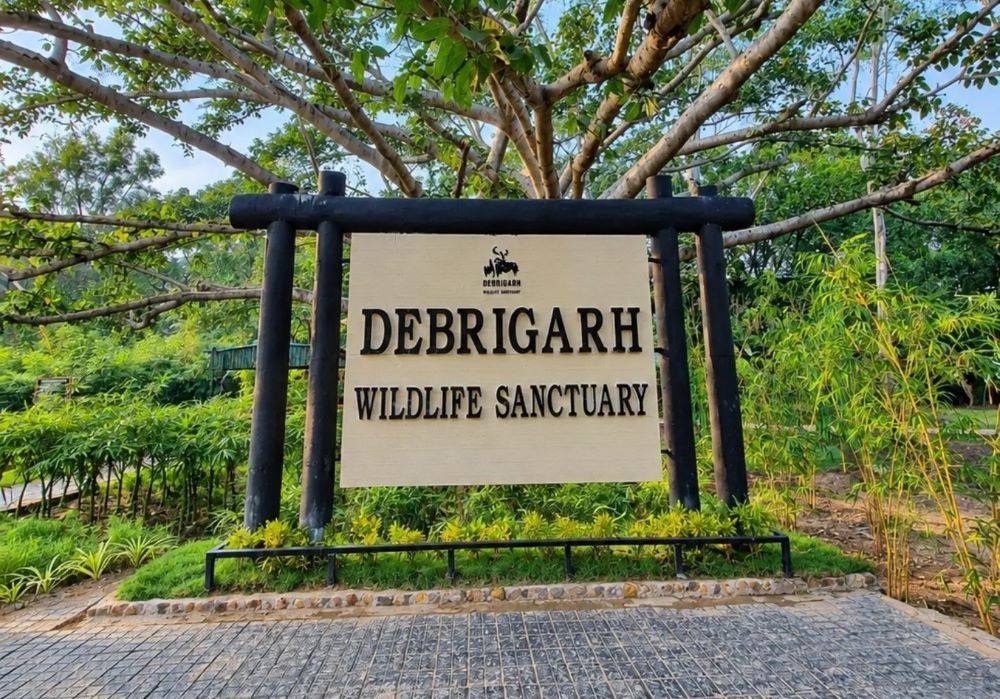
Travellers interested in wildlife and nature can extend their Sambalpur holiday to Debrigarh Wildlife Sanctuary.
Tourism Orissa offers three options:
Sambalpur & Debrigarh Wildlife Tour – 2 Nights 3 Days
Combine Sambalpur’s major sightseeing attractions with a guided wildlife safari and an overnight nature stay.
Sambalpur & Debrigarh Wildlife Tour – 3 Nights 4 Days
Explore Sambalpur and spend two nights near Debrigarh for additional safari and birdwatching opportunities.
Debrigarh Tour Package – 2 Nights 3 Days
Enjoy a wildlife-focused holiday with guided safaris, nature photography and peaceful surroundings.
All wildlife safaris and nature activities depend on official permissions, reservations and seasonal availability.
Practical Travel Tips for Visiting Sambalpur
-
Start sightseeing early: An early start helps you cover attractions comfortably, especially during short trips.
-
Arrange private transportation: Several tourist places are outside Sambalpur city and may be difficult to cover using public transport.
-
Check temple timings: Opening hours and access arrangements may change during festivals.
-
Confirm Hirakud viewpoints: Gandhi Minar, Jawahar Minar and other viewpoints may have restrictions or limited operating hours.
-
Plan waterfalls separately: Gudguda and Pradhanpat require longer excursions.
-
Book safaris in advance: Debrigarh safari sessions depend on official availability.
-
Respect local customs: Wear appropriate clothing when visiting temples and religious sites.
-
Carry drinking water and comfortable footwear: These are useful during outdoor sightseeing and longer journeys.
Frequently Asked Questions About Places to Visit in Sambalpur
1. What are the most famous places to visit in Sambalpur?
The most famous places to visit in Sambalpur include Hirakud Dam, Maa Samaleswari Temple, Huma Leaning Temple, Ghanteswari Temple and Chiplima. Gudguda Waterfall and Debrigarh Wildlife Sanctuary are also popular destinations in the wider region.
2. Which is the best tourist place in Sambalpur?
Hirakud Dam is one of Sambalpur’s most recognisable tourist attractions, particularly for sightseeing and photography. Maa Samaleswari Temple is especially important for pilgrims and cultural travellers.
3. How many days are enough to explore Sambalpur?
Two days are sufficient for a short sightseeing trip. Three days allow a more relaxed itinerary, while four days are recommended for travellers who want to include Gudguda Waterfall or other extended excursions.
4. What are the best places to visit in Sambalpur with family?
Hirakud Dam, Maa Samaleswari Temple, Huma Leaning Temple, Ghanteswari Temple and Sambalpuri handloom markets are suitable for family sightseeing.
5. Are there any waterfalls near Sambalpur?
Yes. Gudguda Waterfall is a popular nature destination in Sambalpur district. Pradhanpat Waterfall near Deogarh can also be considered during a longer regional trip.
6. Can I visit Debrigarh Wildlife Sanctuary from Sambalpur?
Yes. Debrigarh Wildlife Sanctuary can be reached by road from Sambalpur. Travellers can arrange authorised wildlife safaris or stay near the sanctuary for a more relaxed experience.
7. What is the best time to visit Sambalpur?
October to February is generally the best period for comfortable sightseeing. The post-monsoon period can also be attractive for exploring green landscapes and waterfalls.
8. Is Hirakud Dam worth visiting?
Yes. Hirakud Dam is one of Odisha’s important engineering landmarks and offers beautiful reservoir views from permitted observation points.
9. Can I explore Sambalpur in one day?
You can visit selected attractions such as Maa Samaleswari Temple and Hirakud Dam in one day. However, visiting all major attractions requires at least two or three days.
10. How can I book a Sambalpur sightseeing tour?
Contact Tourism Orissa with your travel dates, number of travellers, preferred pickup location and accommodation requirements. A customised Sambalpur sightseeing itinerary can be arranged according to your interests.
Plan Your Sambalpur Sightseeing Tour with Tourism Orissa
Sambalpur is a rewarding destination for travellers who want to explore the religious heritage, natural beauty and cultural traditions of western Odisha.
From the magnificent Hirakud Dam and sacred Maa Samaleswari Temple to Huma Leaning Temple, Gudguda Waterfall and Debrigarh Wildlife Sanctuary, the region offers memorable experiences for families, couples, pilgrims and nature enthusiasts.
Whether you are planning a short weekend getaway, a relaxed sightseeing holiday or an extended wildlife adventure, Tourism Orissa can help you organise a comfortable and personalised journey.
Explore our Sambalpur tour packages and choose the itinerary that best suits your travel plans.
Contact Tourism Orissa today with your travel dates, number of travellers and preferred pickup location to receive a customised tour quotation.