Sambalpur, located in western Odisha along the banks of the Mahanadi River, is a fascinating destination known for its magnificent Hirakud Dam, ancient temples, scenic waterfalls, traditional Sambalpuri handloom textiles and rich cultural heritage. From offering prayers at Maa Samaleswari Temple to enjoying panoramic views of Hirakud Reservoir and exploring nearby wildlife destinations, Sambalpur offers memorable experiences throughout the year.
However, choosing the best time to visit Sambalpur can make a significant difference to your travel experience. The region experiences hot summers, a rainy monsoon season and comparatively pleasant winters, making some months more comfortable for sightseeing than others.
For most travellers, October to February is the best time to visit Sambalpur, especially for temple visits, Hirakud Dam sightseeing, family holidays and outdoor excursions. The cooler weather makes it easier to explore the city’s attractions without the intense summer heat.
Nature lovers may prefer the post-monsoon period, when the surrounding hills and countryside become greener and waterfalls can be particularly attractive. Wildlife enthusiasts planning a trip to Debrigarh Wildlife Sanctuary should consider seasonal safari operations and advance booking availability.
In this detailed guide, we explain Sambalpur’s weather throughout the year, the best months for different travel activities, seasonal advantages and practical tips to help you plan your holiday.
If you are planning your first trip, explore our Sambalpur Travel Guide 2026 for information about tourist attractions, transportation and suggested itineraries.
Best Time to Visit Sambalpur at a Glance
| Travel factor | Recommended period |
|---|---|
| Best overall time | October to February |
| Best weather for sightseeing | November to February |
| Best for Hirakud Dam | October to February |
| Best for temple visits | October to March |
| Best for waterfalls and greenery | August to November, depending on rainfall |
| Best for Debrigarh wildlife tourism | November to February for comfortable weather, subject to safari availability |
| Hottest period | April to May |
| Main monsoon period | June to September |
| Recommended trip duration | 2–4 days |
These recommendations are based on typical seasonal conditions. Actual temperatures, rainfall, reservoir conditions and attraction access can vary each year.
Sambalpur Weather Throughout the Year
Sambalpur experiences a tropical climate with three main seasons: summer, monsoon and winter.
The city is known for its hot summers, substantial monsoon rainfall and relatively comfortable winter months. Understanding these seasonal differences will help you choose the most suitable travel dates.
1. Winter in Sambalpur (October to February)
Winter is generally the best season for visiting Sambalpur.
After the monsoon, rainfall decreases, the countryside remains relatively green and the weather becomes more comfortable for exploring tourist attractions.
November, December and January are particularly suitable for sightseeing, while February generally brings warmer afternoons.
Weather conditions
-
Pleasant mornings and evenings, particularly from November to January.
-
Comfortable conditions for sightseeing compared with summer.
-
Mostly dry weather, with occasional rainfall.
-
Cooler nights that may require a light jacket.
According to the India Meteorological Department’s 1991–2020 climate normals, Sambalpur’s average daily maximum is approximately 28°C in December and January, rising to around 31°C in February. Average minimum temperatures are approximately 11–15°C during these months.
Best places to visit during winter
Hirakud Dam: Enjoy scenic reservoir views and explore permitted viewpoints without the discomfort of extreme summer heat.
Maa Samaleswari Temple: Visit one of western Odisha’s most important religious destinations and experience its spiritual atmosphere.
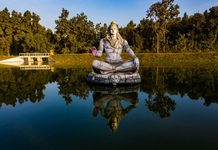
Huma Leaning Temple: Explore the distinctive Shiva temple beside the Mahanadi River.
Ghanteswari Temple: Discover the famous temple of bells and its cultural significance.
Debrigarh Wildlife Sanctuary: Plan authorised wildlife safaris, birdwatching and nature photography, subject to availability.
Winter is also suitable for exploring Sambalpuri handloom markets and taking relaxed excursions around the city.
Travel recommendation: November to February is the strongest choice for families, couples, senior citizens and first-time visitors who want comfortable sightseeing conditions.
2. Summer in Sambalpur (March to May)
Summer in Sambalpur can be extremely hot, particularly during April and May.
The temperature rises steadily from March, and prolonged outdoor sightseeing becomes uncomfortable during the middle of the day.
The India Meteorological Department records average daily maximum temperatures of approximately 35°C in March, 40°C in April and 41°C in May, based on 1991–2020 climate normals. Individual hot days can be considerably warmer.
Weather conditions
-
Hot afternoons and strong sunshine.
-
Increasing daytime temperatures from March onwards.
-
Greater risk of dehydration and heat-related discomfort.
-
Occasional thunderstorms or pre-monsoon showers.
Can you visit Sambalpur in summer?
Yes, but careful planning is important.
Temple visits and sightseeing should ideally be scheduled early in the morning or later in the afternoon.
Travellers should avoid unnecessary outdoor activity during the hottest hours of the day.
For Hirakud Dam, check viewpoint opening hours and plan your visit when temperatures are more comfortable.
Summer is generally less suitable for travellers who want to explore multiple outdoor attractions in a single day.
Travel recommendation: If your dates are flexible, choose winter instead of April or May. If travelling in summer, arrange air-conditioned transportation and allow time for rest between sightseeing activities.
3. Monsoon in Sambalpur (June to September)
The monsoon brings significant rainfall to Sambalpur and the surrounding region.
The hills, forests and countryside become greener, while waterfalls and streams may experience increased water flow.
This season can be visually attractive for nature lovers and photographers, but it also brings practical challenges.
Based on the India Meteorological Department’s 1991–2020 normals, July and August are especially wet, with average monthly rainfall of approximately 402 mm and 495 mm respectively.
Weather conditions
-
Frequent rainfall and cloudy skies.
-
Humid conditions.
-
Lush green landscapes and increased water flow.
-
Possible travel disruptions during heavy rain.
Best experiences during the monsoon
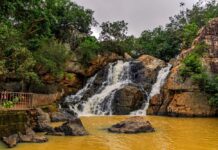
Gudguda Waterfall: The waterfall and surrounding forest landscape can be particularly beautiful during the rainy season.
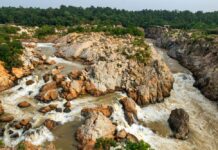
Hirakud Reservoir: The reservoir and surrounding hills offer dramatic scenery, although visitor access and water-related activities may be restricted.
Countryside Photography: The greenery around Sambalpur can create attractive opportunities for landscape photography.
However, visitors should never enter fast-flowing water or approach unsafe waterfall edges.
Heavy rainfall can also affect roads and outdoor sightseeing schedules.
Travel recommendation: The monsoon is best suited to flexible travellers interested in greenery and photography. Families and visitors seeking predictable sightseeing conditions may prefer the post-monsoon or winter months.
4. Post-Monsoon in Sambalpur (October to November)
October and November offer an excellent balance between greenery and improving weather conditions.
Rainfall generally decreases, the landscape remains attractive and outdoor sightseeing becomes easier.
October can still be warm during the afternoon, but November usually brings more comfortable temperatures.
This period is particularly appealing to travellers who want to explore temples, Hirakud Dam and nearby waterfalls.
Travel recommendation: Late October and November are excellent choices for visitors who enjoy green landscapes but prefer to avoid heavy monsoon rainfall.
Sambalpur Temperature and Weather Month by Month
The following table uses rounded monthly average daily maximum and minimum temperatures from the India Meteorological Department’s 1991–2020 climatological data. These are historical averages, not a forecast for 2026.
| Month | Average high | Average low | Typical travel conditions |
|---|---|---|---|
| January | 28°C | 12°C | Excellent for sightseeing |
| February | 31°C | 15°C | Good for sightseeing |
| March | 35°C | 19°C | Increasingly warm |
| April | 40°C | 23°C | Very hot |
| May | 41°C | 25°C | Hottest period |
| June | 37°C | 25°C | Hot, monsoon begins |
| July | 32°C | 24°C | Heavy rainfall |
| August | 32°C | 24°C | Very wet and humid |
| September | 33°C | 24°C | Rainy, gradually improving |
| October | 33°C | 21°C | Warm, post-monsoon |
| November | 31°C | 16°C | Pleasant travel season |
| December | 28°C | 12°C | Excellent for sightseeing |
Best Time to Visit Sambalpur for Different Travel Experiences
The ideal season also depends on what you want to experience during your holiday.
Best Time to Visit Hirakud Dam
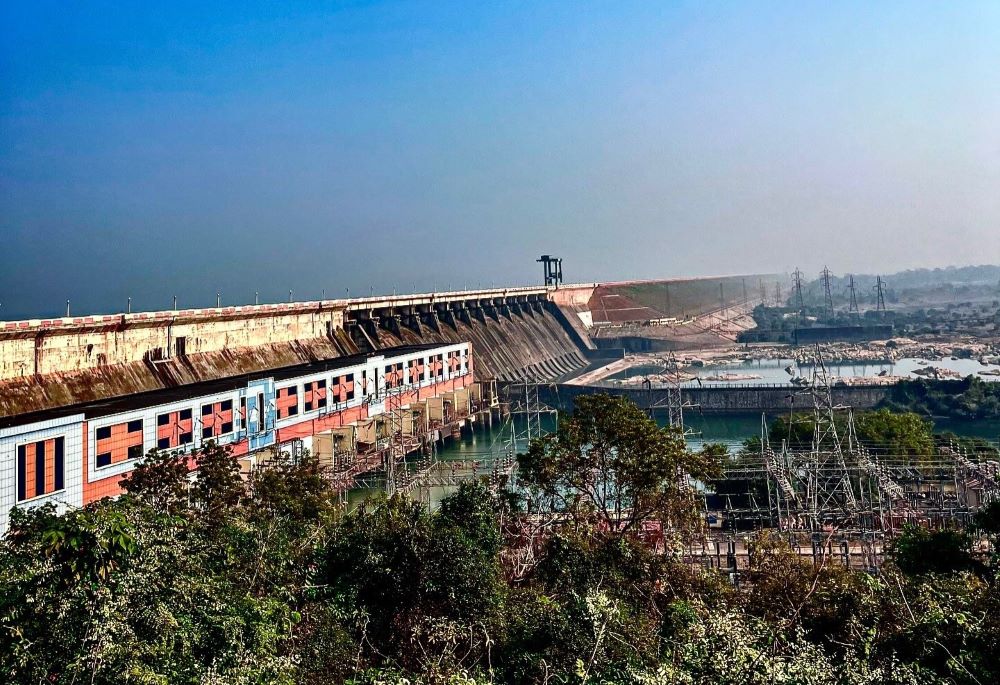
Recommended months: October to February
Hirakud Dam is one of Sambalpur’s most famous attractions and can be visited during different seasons, subject to access regulations.
Winter offers comparatively comfortable weather for exploring permitted viewpoints and enjoying the surrounding reservoir landscapes.
During the monsoon, the reservoir scenery can be particularly dramatic. However, water levels, dam operations and safety restrictions may affect access to certain areas.
For information about viewpoints, permitted activities and travel arrangements, read our Hirakud Dam Travel Guide.
Best Time to Visit Maa Samaleswari Temple and Other Temples
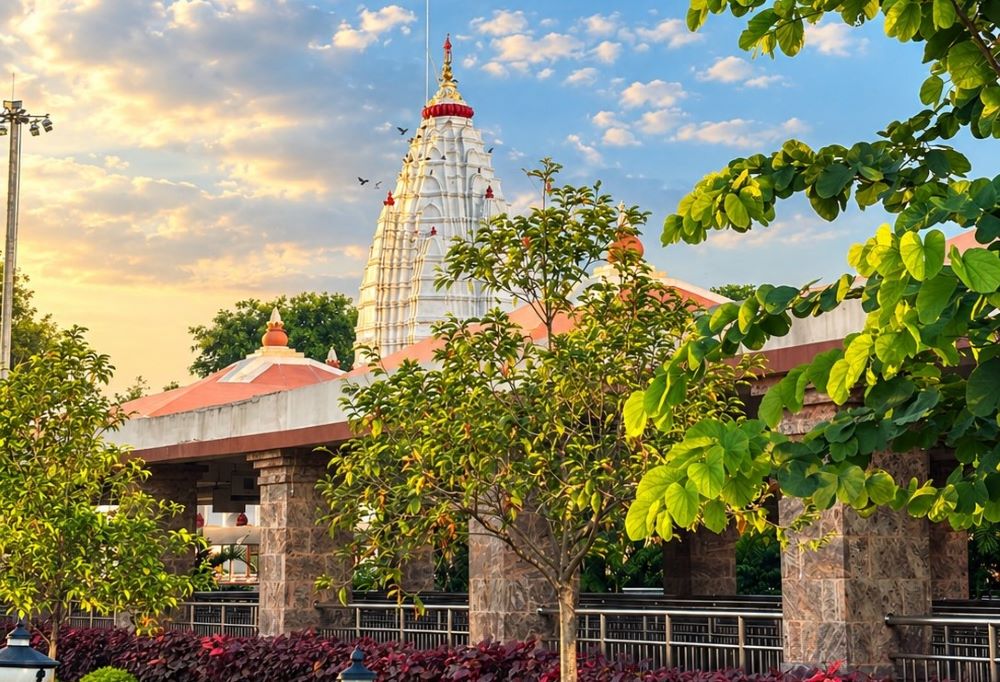
Recommended months: October to March
Sambalpur is home to several important religious destinations, including Maa Samaleswari Temple, Huma Leaning Temple and Ghanteswari Temple.
Although these temples attract devotees throughout the year, the cooler months are more comfortable for travelling between attractions.
During major religious festivals, temples may experience larger crowds and longer waiting times.
Travellers interested in religious sightseeing can explore our Sambalpur Tour Package, which covers major temples and Hirakud Dam.
Best Time to Visit Gudguda Waterfall
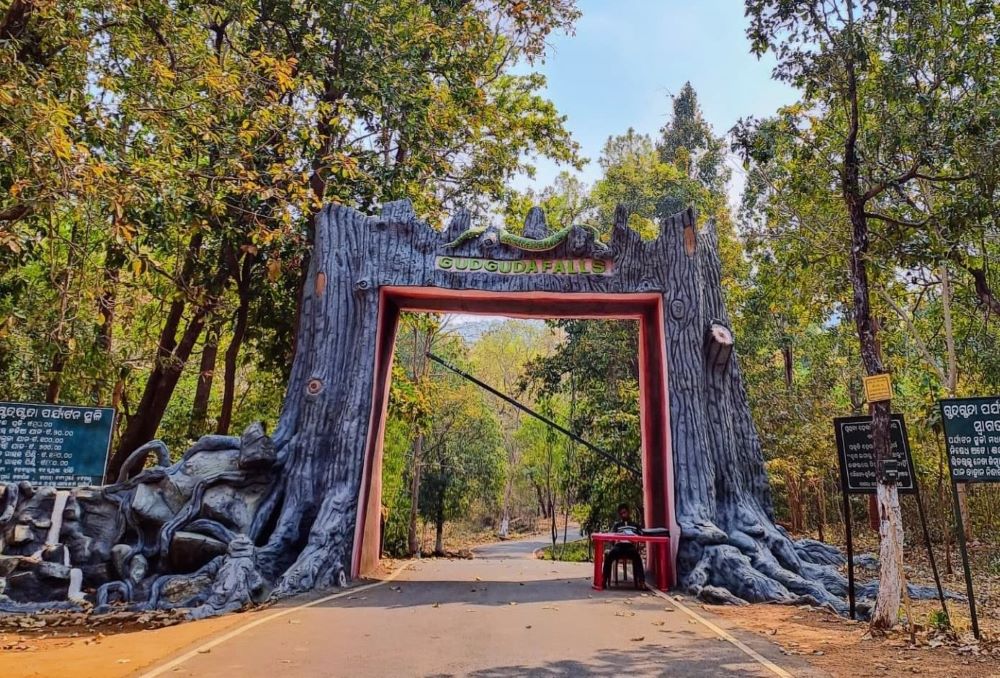
Recommended months: September to November, depending on rainfall and road conditions
Gudguda Waterfall is a beautiful natural attraction in Sambalpur district, approximately 115 km from Sambalpur city.
The waterfall and its surrounding forest landscape can be particularly attractive during and after the monsoon.
However, visiting during heavy rainfall can be risky because of slippery rocks, stronger currents and possible road disruptions.
The post-monsoon period often provides a better balance between greenery and comfortable travel conditions.
For a longer sightseeing holiday that includes Gudguda Waterfall, explore our Sambalpur 3 Nights 4 Days Tour Package.
Best Time to Visit Debrigarh Wildlife Sanctuary
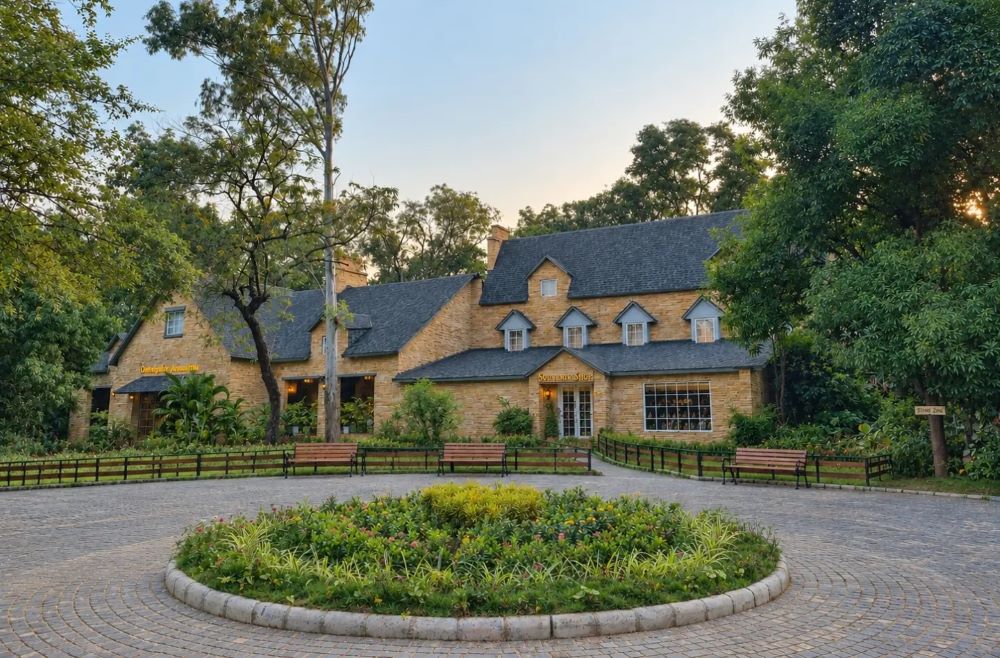
Recommended months: November to February for comfortable wildlife tourism
Debrigarh Wildlife Sanctuary, located in Bargarh district near Hirakud Reservoir, is an attractive destination for wildlife enthusiasts, photographers and nature lovers.
Winter generally provides comfortable conditions for exploring the forest and enjoying birdwatching activities.
Visitors may have opportunities to observe spotted deer, sambar, gaur, wild boar and different bird species during authorised safari experiences.
Wildlife sightings depend on natural conditions and cannot be guaranteed.
Safari operations, entry permissions and accommodation availability should always be confirmed before travelling, especially during the monsoon.
For detailed information about safari arrangements, read our Debrigarh Wildlife Sanctuary Safari Guide.
Travellers planning a dedicated wildlife holiday can explore our Debrigarh Tour Package – 2 Nights 3 Days.
Best Time to Visit Sambalpur for Festivals
Sambalpur is known for its vibrant cultural traditions, religious celebrations and regional festivals.
Travellers interested in local culture may consider planning their visit around important festivals.
Nuakhai Festival
Nuakhai is one of the most important agricultural festivals of western Odisha.
The festival celebrates the new harvest and is associated with gratitude, family gatherings, traditional food and community celebrations.
Nuakhai usually falls in August or September, depending on the regional calendar.
Although this period overlaps with the monsoon, it offers an opportunity to experience Sambalpur’s cultural identity.
Travellers should confirm the festival date for their chosen year and arrange accommodation in advance.
Sital Sasthi Festival
Sital Sasthi is another major cultural and religious celebration in Sambalpur.
The festival commemorates the divine marriage of Lord Shiva and Goddess Parvati and is known for its elaborate processions and cultural performances.
It generally takes place in May or June, depending on the religious calendar.
Visitors should prepare for hot weather, crowds and possible traffic restrictions during the celebrations.
Navratri and Other Religious Celebrations
Maa Samaleswari Temple attracts devotees during Navratri and other important religious occasions.
Festival periods can provide memorable cultural experiences, but visitors should expect larger crowds around major temples.
If your main interest is peaceful sightseeing rather than festival celebrations, consider travelling outside the busiest festival dates.
Which Month Is Best to Visit Sambalpur?
For most travellers, December and January are excellent months to visit Sambalpur.
Both months generally offer comparatively comfortable weather, lower rainfall and favourable conditions for sightseeing.
November is another excellent choice, especially for travellers interested in the post-monsoon landscape.
February is suitable for sightseeing, although afternoons become progressively warmer.
October can also be a good month, but some days may remain warm and occasional rainfall is possible.
Which month should you choose?
| Your travel interest | Recommended months |
|---|---|
| First-time Sambalpur sightseeing | November–February |
| Family holiday with children | November–February |
| Senior citizen pilgrimage | November–February |
| Hirakud Dam photography | October–February |
| Waterfalls and greenery | September–November |
| Debrigarh wildlife holiday | November–February, subject to access |
| Sambalpur cultural festivals | Festival dates, confirmed annually |
| Comfortable outdoor travel | December–January |
Recommended Sambalpur Tour Packages by Season
Choosing the right itinerary is just as important as selecting the best month.
Tourism Orissa offers several Sambalpur and Debrigarh tour packages suitable for different travel interests and durations.
| Tour package | Duration | Best suited for |
|---|---|---|
| Sambalpur 1 Night 2 Days Tour Package | 1N/2D | Short winter weekend or pilgrimage |
| Sambalpur 2 Nights 3 Days Tour Package | 2N/3D | Relaxed temple and Hirakud sightseeing |
| Sambalpur 3 Nights 4 Days Tour Package | 3N/4D | Sightseeing and Gudguda Waterfall |
| Sambalpur & Debrigarh Wildlife Tour – 2 Nights 3 Days | 2N/3D | Sightseeing with a wildlife experience |
| Sambalpur & Debrigarh Wildlife Tour – 3 Nights 4 Days | 3N/4D | Extended wildlife and sightseeing holiday |
| Debrigarh Tour Package | 2N/3D | Wildlife safaris, birdwatching and nature stay |
For a complete overview of the region’s attractions, explore our 15 Best Places to Visit in Sambalpur.
Practical Travel Tips for Visiting Sambalpur in Different Seasons
Planning your trip according to the weather can help you enjoy a more comfortable holiday.
Winter Travel Tips
-
Carry a light jacket or sweater for cooler mornings and evenings.
-
Book hotels and transportation in advance during popular travel periods.
-
Plan outdoor sightseeing during daylight hours.
-
Confirm temple timings and Hirakud Dam viewpoint access.
-
Carry comfortable walking shoes for sightseeing.
Summer Travel Tips
-
Avoid prolonged outdoor sightseeing during the hottest afternoon hours.
-
Carry sufficient drinking water and stay hydrated.
-
Use sunscreen, sunglasses and suitable lightweight clothing.
-
Choose air-conditioned transportation when possible.
-
Allow time for rest between sightseeing activities.
-
Follow official heatwave advisories.
Monsoon Travel Tips
-
Check weather forecasts and road conditions before travelling.
-
Carry rainwear and waterproof footwear.
-
Avoid entering waterfalls, rivers and unsafe water areas.
-
Keep your sightseeing schedule flexible.
-
Confirm access to viewpoints, nature areas and wildlife attractions.
-
Avoid unnecessary travel during heavy rainfall warnings.
Frequently Asked Questions About the Best Time to Visit Sambalpur
1. What is the best time to visit Sambalpur?
October to February is generally the best time to visit Sambalpur for sightseeing, temple visits and outdoor activities. November to February offers particularly comfortable weather.
2. Which is the best month to visit Sambalpur?
December and January are excellent months because temperatures are comparatively comfortable and rainfall is usually low.
3. Is Sambalpur worth visiting in winter?
Yes. Winter is an ideal season for visiting Hirakud Dam, Maa Samaleswari Temple, Huma Leaning Temple, Ghanteswari Temple and nearby attractions.
4. Is Sambalpur too hot in summer?
Sambalpur experiences very hot summers, especially during April and May. Average daily maximum temperatures can reach approximately 40–41°C during these months, and individual days may be hotter.
5. Can I visit Sambalpur during the monsoon?
Yes. The monsoon brings greenery and attractive landscapes, but heavy rainfall may affect outdoor sightseeing and road travel.
6. What is the best time to visit Hirakud Dam?
October to February is generally the most comfortable period for visiting Hirakud Dam and enjoying its reservoir viewpoints.
7. When is the best time to visit Gudguda Waterfall?
The post-monsoon period, particularly September to November, can be attractive for visiting Gudguda Waterfall. Visitors should confirm local conditions and avoid unsafe areas after heavy rainfall.
8. What is the best time to visit Debrigarh Wildlife Sanctuary?
November to February is generally suitable for comfortable wildlife tourism. Safari availability, forest access and accommodation arrangements should be confirmed in advance.
9. How many days are enough to explore Sambalpur?
Two days are sufficient for a short sightseeing holiday. Three days allow a more relaxed experience, while four days are recommended for visitors who want to include Gudguda Waterfall or additional destinations.
10. Can I visit Sambalpur in December with my family?
Yes. December is an excellent month for a family holiday because the weather is generally comfortable for temple visits, Hirakud Dam sightseeing and outdoor activities.
11. Is October a good time to visit Sambalpur?
Yes. October is a good time to visit Sambalpur, particularly as the monsoon withdraws and the surrounding landscapes remain green. However, afternoons can still be warm.
12. How can I book a Sambalpur tour package?
You can contact Tourism Orissa with your travel dates, number of travellers, preferred pickup location and accommodation requirements. A customised itinerary and quotation can be arranged according to your needs.
Plan Your Sambalpur Holiday with Tourism Orissa
Sambalpur is a rewarding destination throughout the year, but choosing the right season can make your journey more comfortable and enjoyable.
For most travellers, October to February is the best time to visit Sambalpur, offering favourable conditions for exploring Hirakud Dam, Maa Samaleswari Temple, Huma Leaning Temple, Ghanteswari Temple and other popular attractions.
Nature lovers may enjoy the greenery of the post-monsoon season, while wildlife enthusiasts can consider extending their holiday to Debrigarh Wildlife Sanctuary.
Whether you are planning a short weekend getaway, a family holiday, a spiritual journey or an extended wildlife adventure, Tourism Orissa can help you organise a comfortable and personalised travel experience.
Plan your Sambalpur trip with Tourism Orissa today.
Share your preferred travel dates, number of travellers, pickup location and accommodation requirements to receive a customised tour quotation.