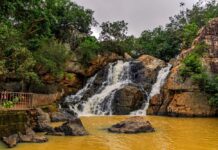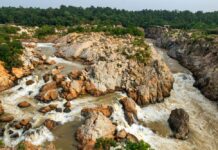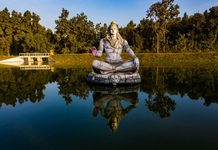
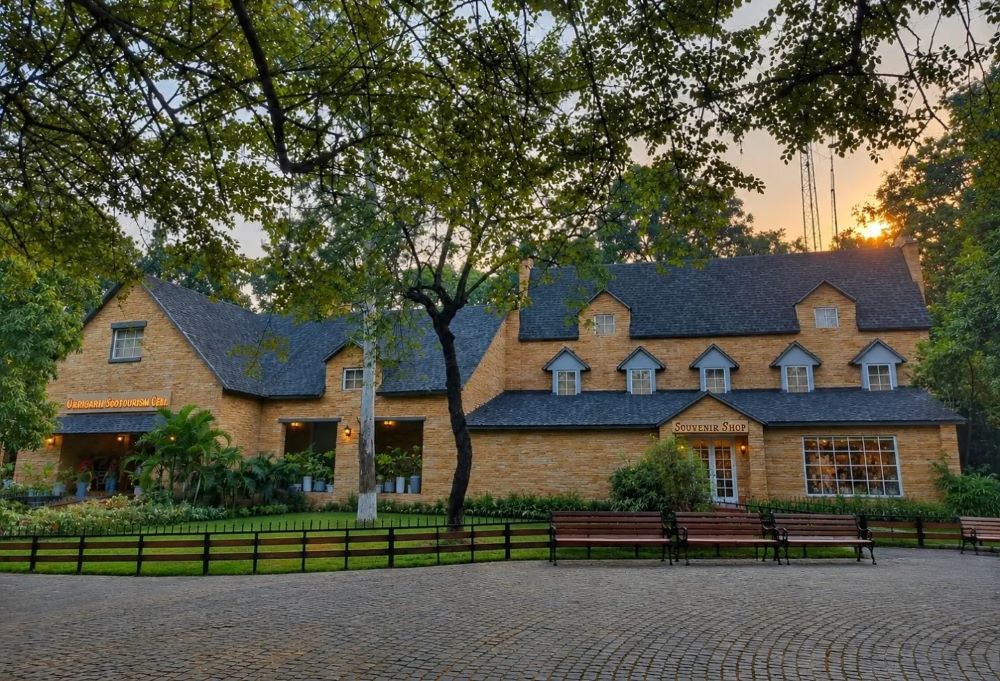
Debrigarh Wildlife Sanctuary, located near Hirakud Reservoir in western Odisha, is one of the state’s most exciting destinations for wildlife safaris, birdwatching, nature photography and peaceful forest holidays. Known for its populations of Indian gaur, deer, wild boar and other wildlife, the sanctuary offers a unique experience where dense forests meet the expansive waters of Hirakud Reservoir.
Situated in Bargarh district, approximately 40 km from Sambalpur, Debrigarh Wildlife Sanctuary is particularly attractive to travellers who want to explore Odisha’s natural beauty beyond its famous temples and coastal destinations.
Unlike a conventional sightseeing trip, a visit to Debrigarh offers opportunities to travel through forest landscapes, observe wild animals in their natural habitat, enjoy scenic reservoir views and experience the tranquillity of a protected wildlife area.
The sanctuary also offers nature-based accommodation and authorised activities such as jungle safaris, guided birdwatching, nature trails and reservoir cruises.
However, planning a successful wildlife holiday requires understanding the safari booking process, entry arrangements, available activities, seasonal conditions and important forest regulations.
This Debrigarh Wildlife Sanctuary Safari Guide explains how to book a safari, where to enter the sanctuary, what wildlife you may see, the best time to visit, where to stay and how to plan a comfortable trip from Sambalpur.
Travellers who prefer a complete holiday with accommodation and transportation can explore our Debrigarh Tour Package or combine wildlife experiences with our Sambalpur Tour Packages.
Debrigarh Wildlife Sanctuary at a Glance
| Travel information | Details |
|---|---|
| Location | Bargarh district, western Odisha |
| Nearest major city | Sambalpur |
| Approximate distance from Sambalpur | 40 km to the main entry area |
| Sanctuary area | Approximately 353 sq. km |
| Main entry gate | Zeropoint |
| Famous for | Indian gaur, deer, forest safaris, birds and Hirakud Reservoir |
| Main safari route | Zeropoint to Parbatitung |
| Best time to visit | October to March |
| Recommended safari duration | Approximately 2–3 hours |
| Ideal holiday duration | 1–3 days |
| Accommodation | Debrigarh Nature Camp and other authorised eco-stays |
| Nearest convenient airport | Veer Surendra Sai Airport, Jharsuguda |
| Major railway station | Sambalpur Junction |
Distances and travel durations are approximate. The Forest Department’s eco-tourism platform identifies Zeropoint as the main entrance and places Debrigarh Nature Camp approximately 5 km inside the sanctuary.
Where Is Debrigarh Wildlife Sanctuary Located?
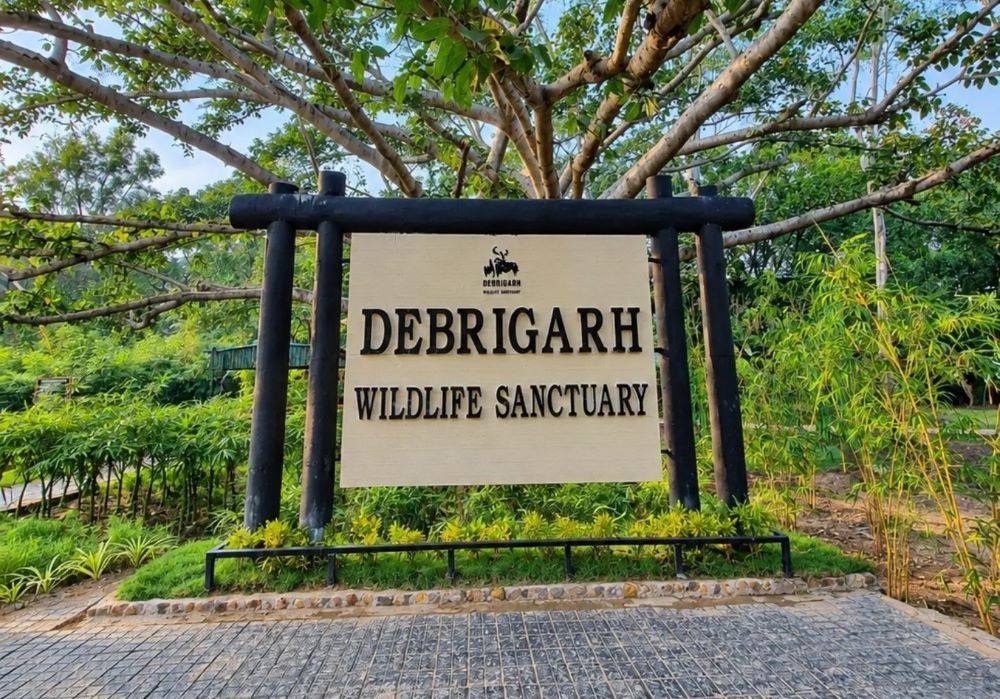
Debrigarh Wildlife Sanctuary is situated in Bargarh district of western Odisha, adjoining the vast Hirakud Reservoir.
The sanctuary features dry deciduous forests, grasslands, rolling hills and reservoir-side habitats that support a wide range of wildlife.
Its location beside Hirakud Reservoir makes Debrigarh particularly distinctive. Visitors can experience forest landscapes and expansive water views during the same holiday.
The sanctuary is accessible by road from Sambalpur and Bargarh.
Sambalpur is a convenient starting point because it offers railway connections, hotels and access to other tourist attractions such as Hirakud Dam and Maa Samaleswari Temple.
Why Is Debrigarh Wildlife Sanctuary Famous?
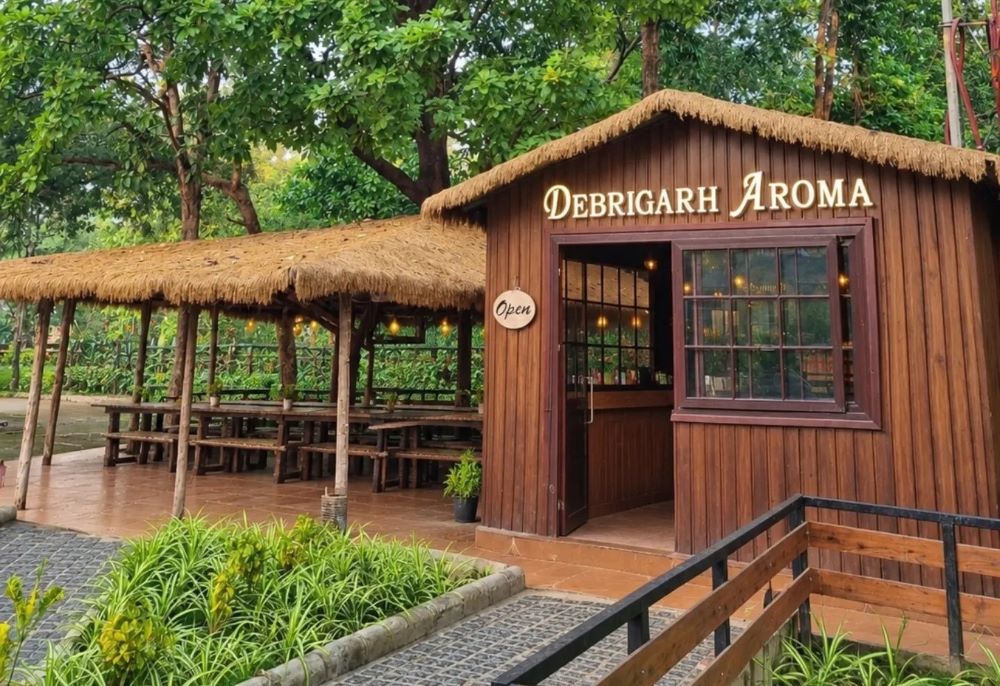
Debrigarh Wildlife Sanctuary is often described as the Land of Bisons, referring to its Indian gaur population.
Indian gaur are among the largest wild cattle species in the world and are a major attraction for visitors exploring the sanctuary.
The forest is also home to sambar, spotted deer, wild boar, leopards and many bird species.
Another important attraction is the sanctuary’s setting along Hirakud Reservoir. The combination of forest, grassland and water creates varied wildlife habitats and beautiful scenery.
Debrigarh is especially suitable for travellers interested in:
-
Guided jungle safaris and wildlife observation.
-
Indian gaur and deer sightings.
-
Birdwatching and nature photography.
-
Reservoir cruises and scenic landscapes.
-
Peaceful forest accommodation.
-
Combining wildlife tourism with Sambalpur sightseeing.
The Forest Department’s eco-tourism information describes the sanctuary as supporting more than 40 mammal species and over 230 bird species.
Debrigarh Wildlife Sanctuary Safari Booking: Step-by-Step Guide
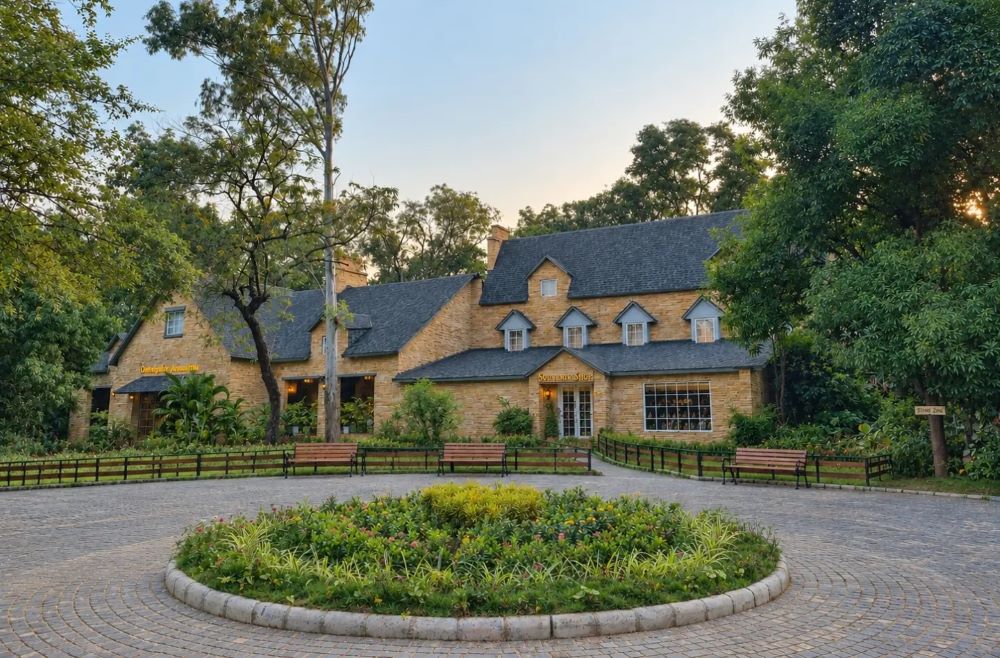
Booking a wildlife safari is one of the most important parts of planning a Debrigarh trip.
The sanctuary operates authorised safari experiences, and visitors should arrange their bookings through recognised official channels.
How to Book a Debrigarh Jungle Safari Online
Follow these steps:
-
Visit the official EcoTour Odisha Debrigarh Wildlife Sanctuary page.
-
Navigate to the available safari experiences.
-
Select the appropriate safari route, such as Zeropoint to Parbatitung.
-
Choose your preferred date and an available safari session.
-
Review the vehicle capacity, safari charges, entry fees and booking conditions.
-
Complete the booking using the payment options provided.
-
Save your booking confirmation and follow the reporting instructions.
The online system lists safari experiences separately from accommodation and reservoir cruises, so visitors should check what is included before paying.
Can You Book a Safari at the Entry Gate?
On-site booking may be possible depending on vehicle availability and current Forest Department arrangements.
However, visitors should not depend on walk-in availability, particularly during weekends, holidays and the peak tourist season.
Booking is recommended for families, larger groups and travellers with fixed itineraries.
Important Documents for Safari Entry
Visitors should be prepared to carry:
-
A valid government-issued photo identification document.
-
Their safari booking confirmation.
-
Identification details matching the reservation.
-
Any additional documents requested by the booking operator.
International visitors should check the identification requirements shown during booking and carry their passport if required.
Debrigarh Safari Booking Tips
-
Book your safari before finalising your hotel and transportation schedule.
-
Confirm whether the booking covers the entire vehicle or individual seats.
-
Check whether the entry fee is included or payable separately.
-
Arrive at the reporting point at least 30 minutes before the scheduled safari.
-
Review cancellation and refund conditions before making payment.
-
Confirm the exact safari route and reporting location.
Debrigarh Wildlife Sanctuary Entry Gate and Safari Route
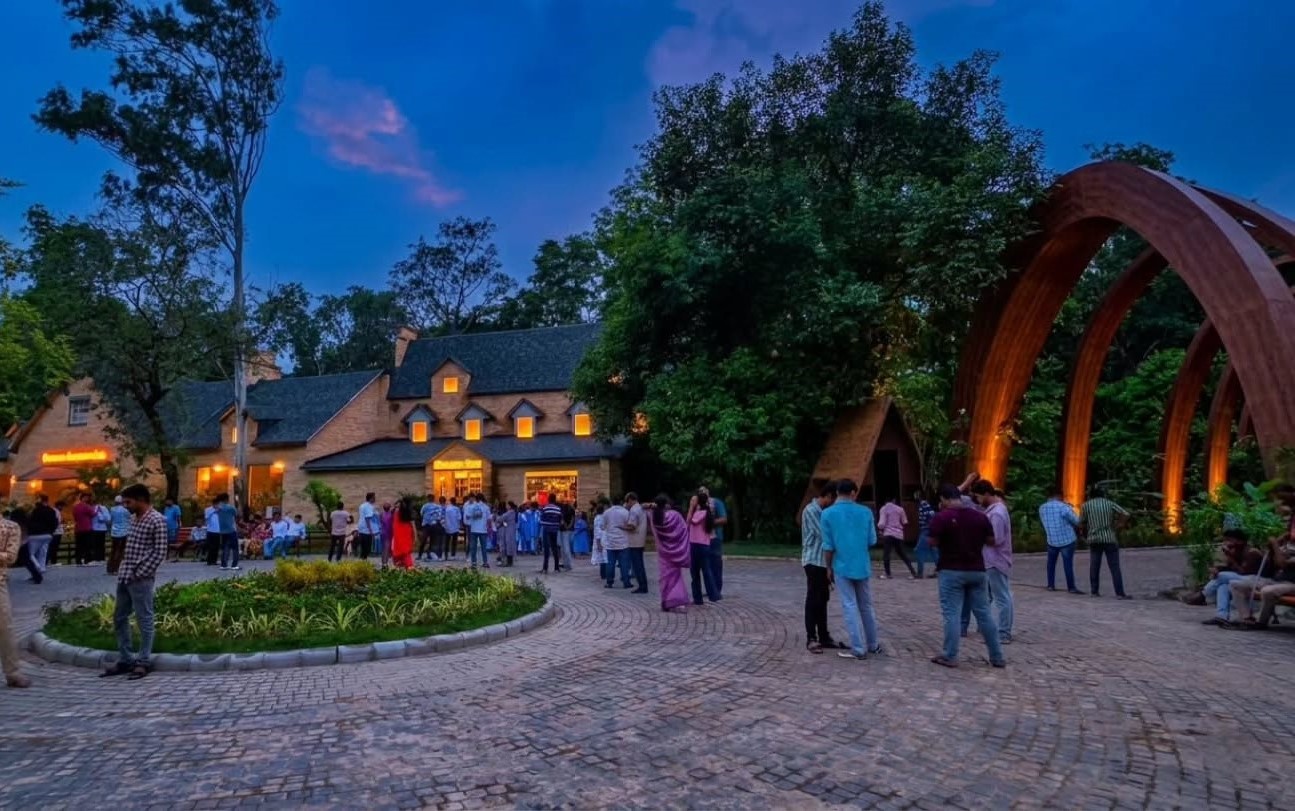
Zeropoint – Main Entry Gate
Zeropoint is the main entrance for Debrigarh Wildlife Sanctuary’s tourist safari operations.
The entry point provides access to the designated tourism zone and the forest road leading towards Debrigarh Nature Camp.
The Nature Camp is approximately 5 km inside the sanctuary, accessible along a motorable forest road.
Visitors should report to the correct entrance according to their booking confirmation.
Private vehicles may be subject to restrictions inside the sanctuary, and wildlife safaris must follow approved routes and operating rules.
Zeropoint to Parbatitung Safari Route
The Zeropoint to Parbatitung route is one of Debrigarh’s principal wildlife safari experiences.
The safari travels through forest habitats along the Hirakud Reservoir landscape, offering opportunities to observe wildlife and enjoy the surrounding scenery.
The designated safari road extends for approximately 15 km along the reservoir-side forest landscape.
The route passes through habitats associated with Indian gaur, sambar, spotted deer, wild boar and other wildlife.
A listed safari experience on the EcoTour Odisha platform takes approximately two and a half hours, including the return journey.
Wildlife sightings depend on animal movement, weather, season and other natural conditions.
Debrigarh Safari Timings
Odisha Tourism lists general visiting hours for Debrigarh Wildlife Sanctuary as 6:00 AM to 6:00 PM. However, these are not necessarily the departure times for individual safari vehicles.
Safari departure slots must be checked through the booking system.
Morning and afternoon safaris may be offered depending on the season and operating schedule.
Visitors should arrive at least 30 minutes before their booked safari time, as instructed by the official booking information.
Morning Safari vs Afternoon Safari
| Feature | Morning safari | Afternoon safari |
|---|---|---|
| Weather | Generally cooler | Can be warmer |
| Photography | Soft morning light | Warm afternoon light |
| Birdwatching | Often a good choice | Opportunities vary |
| Wildlife sightings | Depend on animal movement | Depend on animal movement |
| Best suited for | Birdwatchers and early risers | Travellers arriving earlier in the day |
Both sessions can provide rewarding experiences, but neither guarantees sightings of particular animals.
Debrigarh Wildlife Sanctuary Entry Fee and Safari Charges
The official EcoTour Odisha information currently lists a separate sanctuary entry charge of ₹40 per adult, with children below eight years shown as exempt for certain experiences.
Safari vehicles and boating experiences are charged separately.
Safari Charges and Booking Information
| Expense | Booking information |
|---|---|
| Sanctuary entry | ₹40 per adult on the referenced official listing |
| Children below 8 years | Listed as free for certain experiences |
| Jungle safari vehicle | Charged separately according to vehicle and route |
| Zeropoint–Parbatitung safari | A recent official listing showed ₹2,100 for a vehicle on a selected date |
| Nature Camp accommodation | Varies by room type and travel date |
| Boating and cruises | Separate charges according to route and boat type |
The example ₹2,100 safari rate appeared for a specific September 2026 date and should not be treated as a guaranteed current tariff.
Some official safari listings require booking the entire vehicle rather than individual seats. Vehicle capacity and pricing differ between experiences.
Before booking: Confirm the final payable amount, applicable taxes, entry charges, passenger capacity and cancellation policy on the official reservation page.
Wildlife You Can See During a Debrigarh Safari
Debrigarh Wildlife Sanctuary supports a diverse range of wildlife, making it one of the most interesting nature destinations in western Odisha.
1. Indian Gaur
Indian gaur are among Debrigarh’s best-known animals.
These large wild cattle are powerful, impressive mammals that inhabit the sanctuary’s forest and grassland landscapes.
Debrigarh is particularly associated with gaur sightings, which is why it is sometimes called the Land of Bisons.
Visitors should maintain a safe distance and follow their safari guide’s instructions.
2. Spotted Deer and Sambar
Spotted deer and sambar are among the herbivores found in Debrigarh.
They may be seen grazing in open areas or moving through forest habitats.
Observing deer in their natural environment is one of the enjoyable aspects of a wildlife safari.
3. Wild Boar
Wild boar are another species found within the sanctuary.
These adaptable animals inhabit forested areas and may be encountered during safari drives.
4. Leopards
Debrigarh supports leopards, although sightings are unpredictable.
Leopards are naturally elusive and may remain concealed within dense vegetation.
Travellers should not expect or demand a leopard sighting during a safari.
5. Other Wildlife
The sanctuary also supports other mammals, reptiles and smaller wildlife species.
Depending on natural conditions, visitors may encounter different animals or observe tracks and signs of wildlife activity.
Birdwatching in Debrigarh Wildlife Sanctuary
Birdwatching is one of Debrigarh’s major attractions.
The combination of forest habitats and the nearby Hirakud Reservoir provides opportunities to observe woodland birds and waterbirds.
The reservoir landscape is especially interesting during the cooler months, when migratory birds may be present.
Birdwatchers can consider guided trails and authorised reservoir experiences, depending on availability.
For the best birdwatching experience, carry binoculars, remain quiet and avoid disturbing nesting or feeding birds.
Other Things to Do in Debrigarh Wildlife Sanctuary
1. Enjoy a Hirakud Reservoir Boat Cruise
One of the distinctive features of Debrigarh is its location beside Hirakud Reservoir.
Visitors can explore authorised boat cruises that offer beautiful views of the reservoir, forested hills and nearby islands.
The official eco-tourism platform lists experiences involving Bat Island, Sunset Island, Cattle Island, Island Cafe and Govindpur Birds Village.
Cruise routes, duration and availability vary.
Some experiences require booking an entire boat rather than individual seats.
2. Explore Nature Trails
Guided nature trails allow visitors to experience the forest environment at a slower pace.
Depending on available programmes, visitors may learn about local vegetation, birdlife and the ecological importance of the sanctuary.
Only use trails authorised by the Forest Department and accompanied by required guides.
3. Enjoy Wildlife Photography
Debrigarh offers opportunities to photograph wildlife, forest landscapes, grasslands and reservoir scenery.
A telephoto lens is useful for photographing animals from a safe distance.
Flash photography, disturbing wildlife or leaving authorised routes should be avoided.
4. Experience a Nature Camp Stay
Spending a night near the sanctuary allows visitors to experience the peaceful surroundings beyond a short safari.
Debrigarh Nature Camp offers lake-facing accommodation and access to selected nature activities.
The official eco-tourism listing describes different accommodation categories, including glass-walled rooms and stargazing rooms.
Facilities, inclusions and room availability should be checked before booking.
Best Time to Visit Debrigarh Wildlife Sanctuary
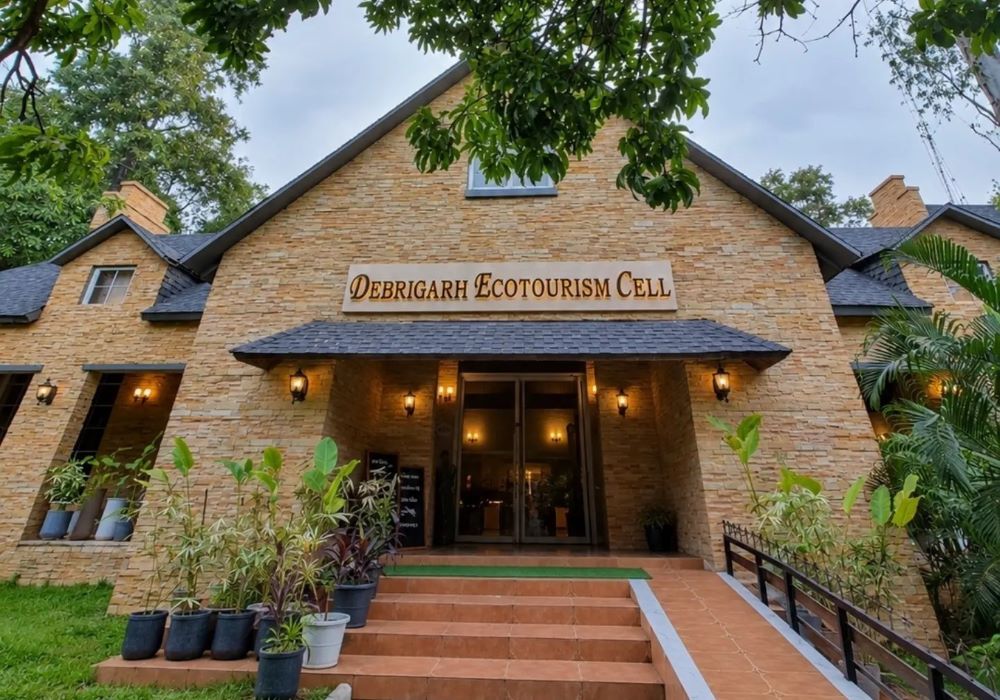
The best time to visit Debrigarh Wildlife Sanctuary is generally October to March, according to Odisha Tourism.
During these months, the weather is comparatively comfortable for wildlife safaris, birdwatching and nature activities.
October to February – Best for Comfortable Wildlife Tourism
This is an excellent period for visiting Debrigarh.
The weather becomes cooler after the monsoon, making safari drives and outdoor activities more comfortable.
The surrounding landscapes can remain green during the early part of the season.
November to February is particularly attractive for travellers interested in birdwatching and reservoir scenery.
March to May – Summer Wildlife Tourism
Summer can bring intense heat to western Odisha.
Although some wildlife may visit water sources more frequently during hot weather, sightings remain unpredictable.
Visitors should prepare for high temperatures, carry sufficient water and choose suitable safari sessions.
June to September – Monsoon Season
The monsoon brings greenery and rainfall to the sanctuary.
However, heavy rainfall can affect forest roads, outdoor activities and safari operations.
Visitors should not assume that jungle safaris or boating experiences will operate throughout the monsoon.
Always check official availability before making travel arrangements.
Which Month Is Best for Debrigarh Safari?
| Month | Travel recommendation |
|---|---|
| October | Good post-monsoon scenery; confirm access |
| November | Excellent for comfortable safaris |
| December | Excellent for wildlife tourism and birdwatching |
| January | Excellent for nature holidays |
| February | Very good for safaris |
| March | Suitable, but temperatures rise |
| April–May | Hot; plan carefully |
| June–September | Rainy season; access may be limited |
For more information about weather in the wider region, read our Best Time to Visit Sambalpur.
Where to Stay Near Debrigarh Wildlife Sanctuary
Visitors can choose between staying near the sanctuary and staying in Sambalpur.
Debrigarh Nature Camp
Debrigarh Nature Camp is an attractive option for travellers who want to experience the forest and reservoir environment.
The camp offers nature-focused accommodation with access to selected activities.
Staying near the sanctuary can be convenient for early safari departures and a more relaxed wildlife holiday.
Accommodation options and packages may include meals or selected experiences, but inclusions depend on the booking category.
Hotels in Sambalpur
Sambalpur offers a wider selection of city hotels and is a convenient base for travellers combining wildlife tourism with temples and Hirakud Dam.
However, visitors staying in Sambalpur should allow sufficient travel time to reach the Zeropoint entry gate before their safari.
Which Accommodation Is Better?
For a dedicated wildlife holiday, staying near Debrigarh is generally more convenient.
For a sightseeing trip that includes Maa Samaleswari Temple, Hirakud Dam and other city attractions, staying in Sambalpur may be more practical.
How to Reach Debrigarh Wildlife Sanctuary
Debrigarh Wildlife Sanctuary is accessible by road from Sambalpur and Bargarh.
How to Reach Debrigarh from Sambalpur
Sambalpur is one of the most convenient starting points for visiting Debrigarh.
The main entry area is approximately 40 km from Sambalpur, although the exact distance depends on your starting location and route.
Visitors can arrange a private taxi or tour vehicle to reach Zeropoint.
How to Reach Debrigarh from Bhubaneswar
Travellers from Bhubaneswar can first reach Sambalpur by road or train.
From Sambalpur, they can continue by private vehicle towards the sanctuary.
Because of the overall journey length, an overnight stay is recommended rather than attempting a rushed day trip from Bhubaneswar.
How to Reach Debrigarh by Train
Sambalpur Junction is a convenient major railway station for visitors travelling to Debrigarh.
From the station, travellers can arrange a private transfer to the sanctuary.
How to Reach Debrigarh by Air
Veer Surendra Sai Airport at Jharsuguda is a convenient airport for the region.
Visitors can arrange a road transfer from the airport towards Sambalpur or Debrigarh.
Flight availability should be checked before finalising travel dates.
Suggested Debrigarh Wildlife Safari Itineraries
Debrigarh 1-Day Safari Trip
A day trip is suitable for travellers staying in Sambalpur who have limited time.
Morning: Depart from Sambalpur and travel towards Zeropoint.
Safari: Enjoy a prebooked guided wildlife safari.
Afternoon: Return to Sambalpur after the safari, allowing time for refreshments and travel.
This option is suitable for a short wildlife experience but does not provide as much flexibility as an overnight stay.
Debrigarh 2 Nights 3 Days Wildlife Tour
For a more complete nature holiday, consider spending two nights near the sanctuary.
Day 1: Arrival and Afternoon Safari
Arrive near Debrigarh, complete check-in formalities and enjoy an afternoon wildlife safari if a suitable session is available.
Day 2: Wildlife Safari, Birdwatching and Reservoir Experiences
Enjoy a morning safari followed by birdwatching or an authorised reservoir activity.
Spend the evening relaxing in the natural surroundings.
Day 3: Nature Experience and Departure
Enjoy the morning atmosphere before checking out and proceeding towards Sambalpur or Jharsuguda.
Explore our Debrigarh Tour Package – 2 Nights 3 Days.
Sambalpur and Debrigarh 2 Nights 3 Days Tour
This itinerary is ideal for travellers who want to combine cultural sightseeing with wildlife.
Day 1: Arrival in Sambalpur, Maa Samaleswari Temple and Hirakud Dam.
Day 2: Transfer to Debrigarh Wildlife Sanctuary and enjoy a prebooked safari.
Day 3: Morning nature experience and departure.
Explore our Sambalpur & Debrigarh Tour Package – 2 Nights 3 Days.
Sambalpur and Debrigarh 3 Nights 4 Days Tour
Travellers who prefer a relaxed itinerary can spend more time exploring the sanctuary.
Day 1: Arrival in Sambalpur and local sightseeing.
Day 2: Visit Hirakud Dam, transfer to Debrigarh and enjoy an afternoon safari.
Day 3: Morning wildlife safari, birdwatching and reservoir activities.
Day 4: Breakfast and departure.
Explore our Sambalpur & Debrigarh Wildlife Tour – 3 Nights 4 Days.
All safari sessions, cruises and other nature activities are subject to official availability.
Places to Visit Near Debrigarh Wildlife Sanctuary
Travellers visiting Debrigarh can explore several attractions in the wider Sambalpur region.
Hirakud Dam
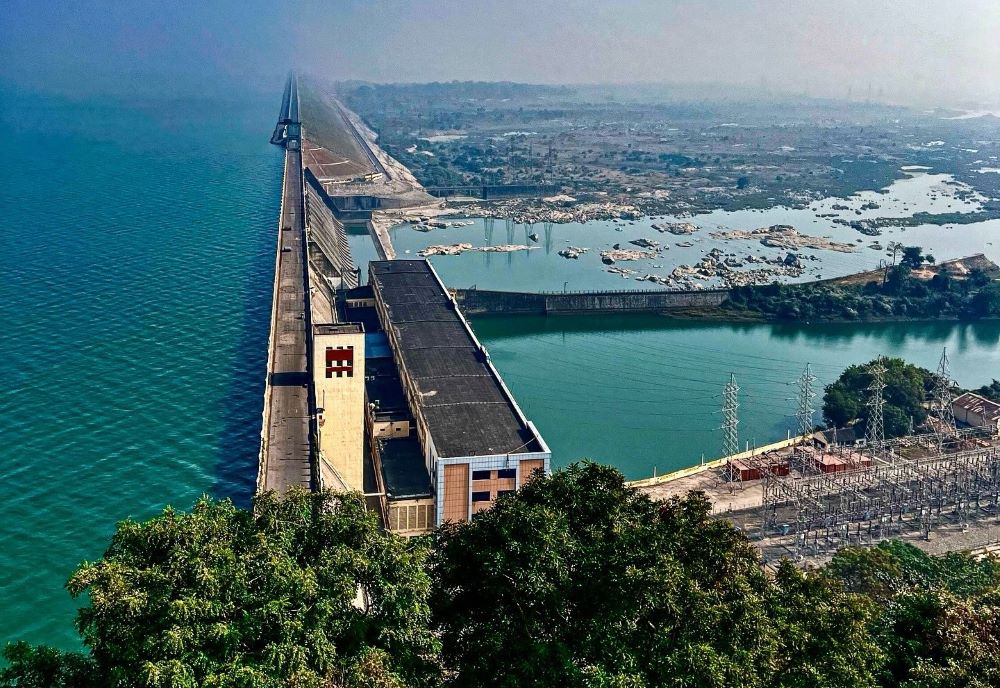
Hirakud Dam is one of the most famous attractions in western Odisha.
The dam is known for its engineering significance, vast reservoir and panoramic viewpoints.
Read our Hirakud Dam Travel Guide for sightseeing information.
Maa Samaleswari Temple
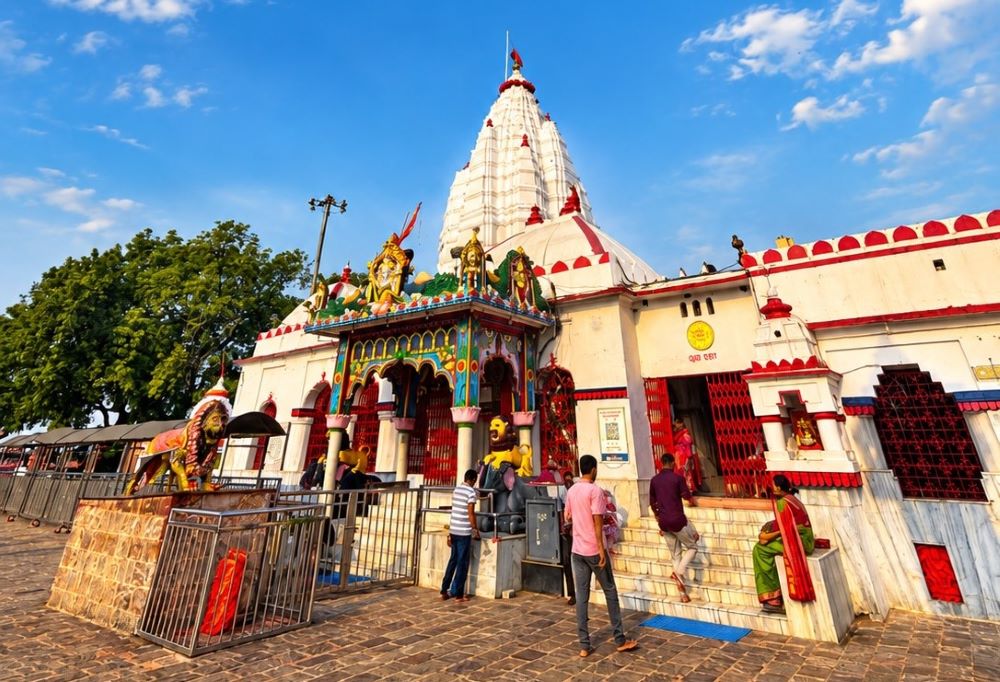
Maa Samaleswari Temple is one of Sambalpur’s most important religious landmarks.
Dedicated to Goddess Samaleswari, the temple is closely associated with the cultural identity of western Odisha.
Sambalpuri Handloom Markets
Sambalpur is famous for traditional handwoven textiles, particularly Sambalpuri sarees.
Visitors can explore local shops and markets to discover the region’s distinctive weaving traditions.
Huma Leaning Temple
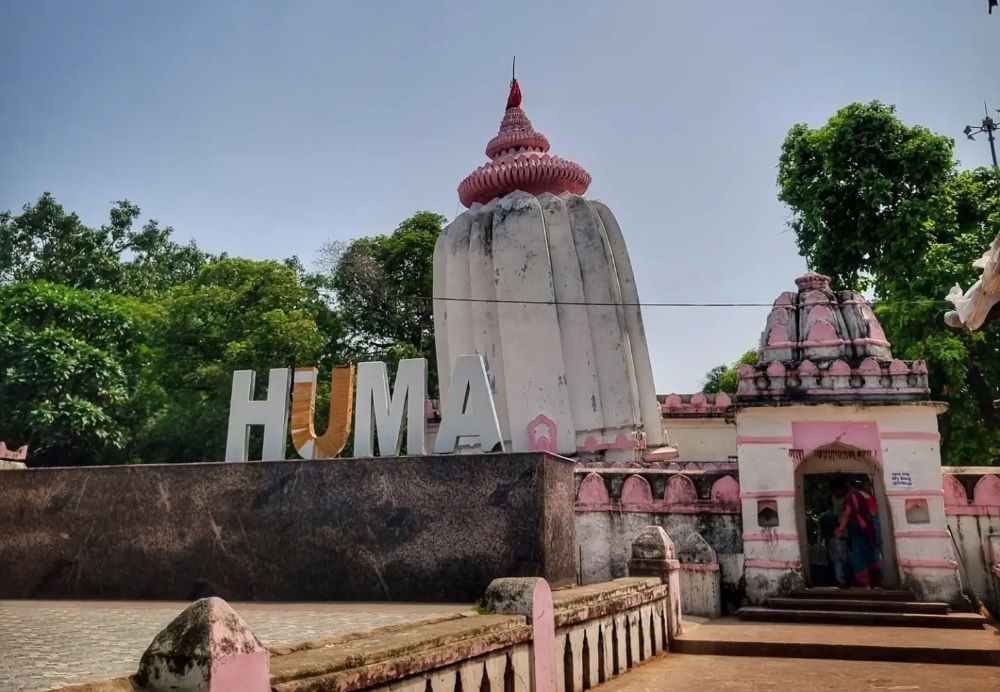
Huma Leaning Temple is a distinctive Shiva temple beside the Mahanadi River.
It is known for its visibly leaning structure and peaceful surroundings.
For additional sightseeing ideas, explore our 15 Best Places to Visit in Sambalpur.
Important Rules and Travel Tips for Debrigarh Safari
Wildlife sanctuaries are protected natural habitats. Following responsible tourism practices helps protect animals and ensures a safer experience for visitors.
-
Book in advance: Reserve safari vehicles and accommodation before travelling, especially during weekends and holidays.
-
Report on time: Arrive at the designated entry point at least 30 minutes before your booked safari.
-
Carry identification: Keep your booking confirmation and valid photo identification available.
-
Follow your guide’s instructions: Do not leave the safari vehicle unless specifically permitted.
-
Maintain silence: Loud conversations and unnecessary noise can disturb wildlife.
-
Never feed animals: Feeding wildlife is unsafe and can harm their natural behaviour.
-
Avoid littering: Carry waste back to designated disposal points.
-
Do not use flash photography: Avoid disturbing animals during sightings.
-
Wear comfortable clothing: Neutral-coloured clothing and comfortable footwear are suitable for wildlife activities.
-
Carry binoculars: These are useful for birdwatching and observing distant wildlife.
-
Avoid unrealistic expectations: Wildlife sightings are unpredictable and cannot be guaranteed.
-
Follow forest regulations: Respect speed limits, route restrictions and instructions issued by sanctuary staff.
Frequently Asked Questions About Debrigarh Wildlife Sanctuary Safari
1. Where is Debrigarh Wildlife Sanctuary located?
Debrigarh Wildlife Sanctuary is located in Bargarh district of western Odisha, near Hirakud Reservoir and approximately 40 km from Sambalpur.
2. How can I book a Debrigarh jungle safari?
You can book an authorised safari through the official EcoTour Odisha website. Select your preferred safari experience, date and available session, then follow the booking instructions.
3. What is the main entry gate for Debrigarh Wildlife Sanctuary?
Zeropoint is the main tourist entry gate for Debrigarh Wildlife Sanctuary.
4. What are the Debrigarh safari timings?
The sanctuary visiting hours are 6:00 AM to 6:00 PM. Individual safari departure times depend on the official booking schedule and should be confirmed when reserving.
5. What is the entry fee for Debrigarh Wildlife Sanctuary?
The official eco-tourism information lists a ₹40 entry charge per adult for certain experiences, with children below eight years exempt. Safari vehicle charges are separate, and the latest rates should be verified before booking.
6. What is the best time to visit Debrigarh Wildlife Sanctuary?
October to March is generally the best time to visit Debrigarh Wildlife Sanctuary. November to February is particularly comfortable for wildlife safaris and birdwatching.
7. What animals can be seen in Debrigarh Wildlife Sanctuary?
Debrigarh supports Indian gaur, sambar, spotted deer, wild boar, leopards and various other wildlife species. Sightings depend on natural conditions and are not guaranteed.
8. How long does a Debrigarh safari take?
The Zeropoint to Parbatitung safari experience is listed at approximately two and a half hours, including the return journey. Other experiences may have different durations.
9. Is Debrigarh Wildlife Sanctuary worth visiting?
Yes. Debrigarh offers a distinctive combination of forest landscapes, wildlife safaris, birdwatching, reservoir scenery and nature accommodation.
10. Can I visit Debrigarh Wildlife Sanctuary in one day?
Yes. A day trip from Sambalpur is possible with a prebooked safari. However, an overnight stay provides a more relaxed experience and greater flexibility.
11. Is boating available at Debrigarh?
Authorised boating and reservoir cruises are offered through selected eco-tourism experiences. Availability, charges and routes should be checked before booking.
12. Are private vehicles allowed inside Debrigarh Wildlife Sanctuary?
Private vehicle access is subject to Forest Department regulations. Visitors should use authorised safari vehicles for designated wildlife safari routes.
13. Is Debrigarh suitable for families with children?
Yes. Debrigarh can be suitable for family nature holidays, provided children are supervised and all safari safety instructions are followed.
14. Can I stay inside Debrigarh Wildlife Sanctuary?
Authorised nature accommodation is available, including Debrigarh Nature Camp. Visitors should book through recognised channels and follow the accommodation provider’s rules.
15. How can I book a complete Debrigarh wildlife tour package?
You can contact Tourism Orissa with your travel dates, number of travellers, preferred pickup location and accommodation requirements. A customised itinerary can be arranged, with safari bookings subject to official availability.
Plan Your Debrigarh Wildlife Safari with Tourism Orissa
Debrigarh Wildlife Sanctuary is one of western Odisha’s most rewarding destinations for travellers interested in wildlife, birdwatching, forest landscapes and peaceful nature experiences.
From observing Indian gaur and deer during guided safaris to enjoying the beautiful surroundings of Hirakud Reservoir, Debrigarh offers a memorable alternative to conventional sightseeing holidays.
Whether you are planning a short wildlife excursion from Sambalpur or a longer nature holiday with accommodation and multiple safari experiences, Tourism Orissa can help you organise a comfortable journey.
Explore our Debrigarh Tour Package for a dedicated wildlife holiday, or visit our Sambalpur Tour Package page to compare sightseeing and wildlife itineraries.
Plan your Debrigarh wildlife safari with Tourism Orissa today.
Share your preferred travel dates, number of travellers, pickup location and accommodation requirements to receive a customised tour quotation.