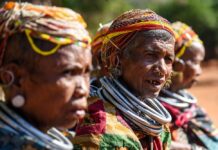
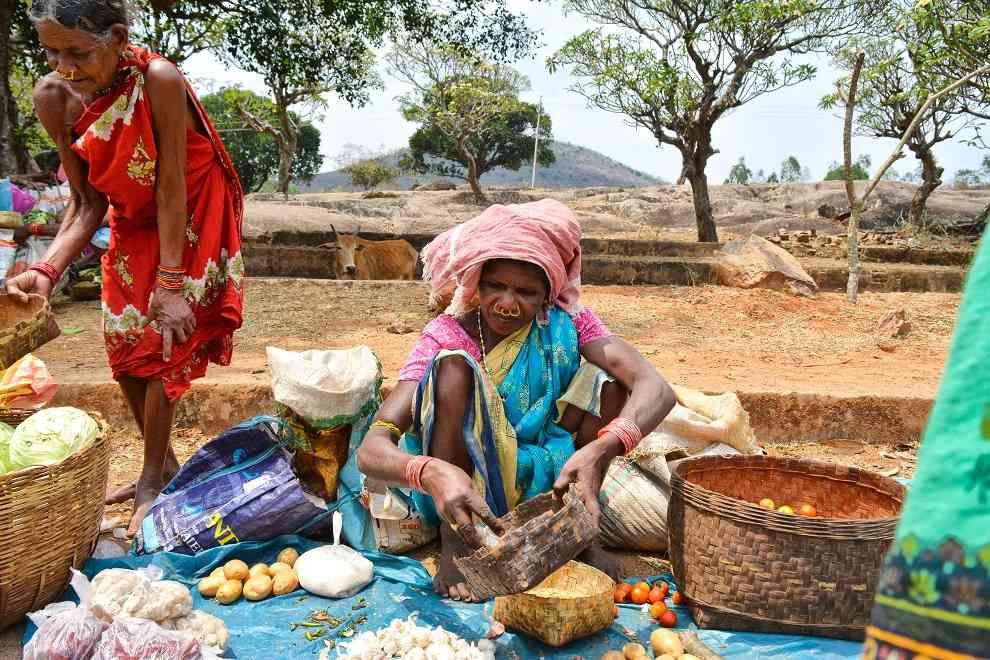
Odisha is celebrated for its ancient temples, classical dance, colourful festivals and beautiful natural landscapes. Beyond these well-known attractions lies another important part of the state’s cultural identity: the rich and diverse tribal heritage of Odisha.
Home to 62 officially recognized Scheduled Tribe communities, Odisha has one of India’s most culturally diverse indigenous populations. These communities have contributed significantly to the state’s languages, artistic traditions, festivals, agricultural practices, music, dance and knowledge of the natural environment.
From the forested hills of Koraput and Malkangiri to the Niyamgiri region of Rayagada, the villages of Kandhamal, and the cultural landscapes of Mayurbhanj and Sundargarh, Odisha’s indigenous communities maintain distinct identities shaped by their histories, environments and changing social circumstances.
The tribal heritage of Odisha is not simply a collection of traditions from the past. It is a living cultural legacy that continues to evolve through contemporary art, education, livelihoods, community celebrations and everyday life.
In this article, we explore the major indigenous communities of Odisha, their cultural traditions, festivals, handicrafts, relationship with nature and the importance of preserving their heritage.
For a broader introduction to the destinations, communities and travel routes, read our Complete Odisha Tribal Tourism Guide.
Understanding the Tribal Heritage of Odisha
The tribal heritage of Odisha encompasses a wide range of cultural expressions, including languages, oral histories, traditional knowledge, community institutions, architecture, food, agriculture, dance, music, festivals and religious practices.
Although these communities are often collectively described as the tribes of Odisha, each has its own history, identity and traditions.
Their ways of life also vary considerably. Some communities live primarily in rural and forested regions, while many members live in towns and cities, pursue higher education, work in different professions and participate in contemporary society.
Understanding Odisha’s tribal heritage therefore requires recognizing both cultural continuity and social change.
Why Is Odisha’s Tribal Heritage Unique?
Several features make Odisha’s indigenous cultural landscape particularly significant:
- The presence of 62 officially recognized Scheduled Tribe communities.
- A remarkable diversity of languages, dialects and oral traditions.
- Distinctive forms of dance, music, jewellery, textiles and handicrafts.
- Community festivals associated with agriculture, seasonal changes and spiritual beliefs.
- Traditional knowledge of local plants, forests, farming and natural resources.
- Cultural practices shaped by different geographical regions.
- Strong connections between village life, weekly markets and regional economies.
These traditions contribute to Odisha’s wider cultural identity and remain important to the communities that practise them.
Major Tribal Communities of Odisha and Their Cultural Heritage
Odisha is home to numerous indigenous communities, each contributing to the state’s cultural diversity.
The following are some of the better-known communities whose heritage forms an important part of Odisha’s cultural landscape.
1. Bonda Tribe – Cultural Heritage of Malkangiri
The Bonda community, also known as the Remo, is associated with the hill regions of Malkangiri district in southern Odisha.
The community has a distinctive cultural identity reflected in its language, ornaments, clothing traditions and social customs.
Traditional Bonda women’s attire is particularly recognized for colourful bead necklaces, metal ornaments and distinctive dress styles, although clothing practices vary among individuals and generations.
Agriculture, local markets and the surrounding landscape remain important aspects of life in the region.
The weekly market at Onukudelli is one of the better-known trading centres serving villages in the wider area. It provides visitors with an opportunity to understand the role of local markets in rural livelihoods.
To learn more about the community, its cultural background and the market region, read our Bonda Tribe of Odisha: Culture, Location & Onukudelli Market guide.
2. Dongria Kondh – Traditions of the Niyamgiri Hills
The Dongria Kondh community has a strong cultural and spiritual connection with the Niyamgiri Hills, located across parts of Rayagada and Kalahandi districts.
The hills are significant to the community’s identity, beliefs and livelihoods.
The Dongria Kondh are known for distinctive textile traditions, ornaments, horticultural practices and knowledge of the surrounding environment.
Their cultural heritage also includes oral traditions, community rituals and relationships with sacred landscapes.
The Chatikona weekly market, located near the Niyamgiri region, is an important rural trading centre where people from surrounding villages gather to exchange agricultural produce and other goods.
The market illustrates how local economic activities connect communities across the region.
3. Gadaba Tribe – Cultural Traditions of Koraput
The Gadaba community is associated with the culturally diverse Koraput region of southern Odisha.
Traditional Gadaba settlements, agricultural practices, weaving traditions and community celebrations form important parts of their cultural heritage.
One of the most recognizable cultural traditions associated with the Gadaba is the Dhemsa dance.
Dhemsa is a group dance performed in different forms by communities across southern Odisha, particularly during festivals and social gatherings.
Traditional music, rhythmic movement and collective participation are central to the dance.
Travellers interested in learning about the cultural landscape of the Koraput region can explore our guide to the Best Tribal Villages to Visit in Odisha.
4. Saura Tribe – Traditional Art and Spiritual Heritage
The Saura, also known as Sora or Soura, are among Odisha’s important indigenous communities.
They are found in several parts of southern Odisha, particularly in the Rayagada and Gajapati regions.
The community is especially recognized for its distinctive artistic traditions.
Saura painting, including traditional ritual wall paintings often referred to as Idital or Ittal, uses stylized human figures, animals, plants and symbolic forms.
These paintings have historically been associated with religious and ceremonial contexts.
Today, Saura-inspired artwork also appears in contemporary paintings, decorative objects and handicrafts.
The transition from ritual painting to commercial and contemporary art demonstrates how traditional cultural expressions can adapt to changing circumstances.
5. Santhal Tribe – Music, Dance and Community Festivals
The Santhal community is found in several eastern Indian states, including Odisha, Jharkhand and West Bengal.
In Odisha, Santhal populations are particularly associated with the northern districts, including Mayurbhanj.
Santhal cultural heritage includes a rich tradition of music, dance, storytelling and seasonal festivals.
Traditional instruments, community celebrations and agricultural rituals form important elements of cultural life.
Festivals such as Baha and Sohrai have cultural significance in many Santhal communities, although their observance and practices may vary by location.
Santhal artistic and musical traditions contribute significantly to the cultural diversity of northern Odisha.
6. Juang Tribe – Heritage of Keonjhar
The Juang community is closely associated with parts of Keonjhar district in northern Odisha.
Its cultural heritage includes traditional agriculture, community institutions, festivals, oral histories and relationships with the surrounding landscape.
Community gathering spaces and collective traditions have historically played important roles in Juang social life.
The Juang community is also recognized for its distinctive cultural history and traditional knowledge.
Its heritage forms an important part of the wider indigenous cultural landscape of northern Odisha.
7. Kondh Communities – Cultural Diversity Across Odisha
The term Kondh, also written as Kandha or Khond, encompasses several related communities with distinct regional identities and traditions.
These include the Kutia Kondh and Dongria Kondh, among others.
Kondh communities are found across several districts, including Kandhamal, Rayagada and Kalahandi.
Their cultural practices vary by region and may include agricultural festivals, oral traditions, sacred landscape beliefs, traditional crafts and community rituals.
Recognizing these differences is important because no single description can accurately represent all Kondh communities.
Traditional Lifestyle and Village Culture in Odisha
Village life forms an important part of the cultural heritage of many indigenous communities in Odisha.
However, traditional practices vary significantly according to geography, economic opportunities, community preferences and access to modern services.
Traditional Houses and Village Architecture
In many rural areas, traditional houses have historically been constructed using locally available materials such as mud, clay, wood, bamboo and thatch.
The design of these houses reflects local climatic conditions, available resources and community preferences.
Some villages feature decorated walls, courtyards, agricultural storage areas and spaces used for community gatherings.
Today, traditional building methods often coexist with modern construction materials and housing designs.
Agriculture and Rural Livelihoods
Agriculture remains an important livelihood for many rural households across Odisha.
Depending on the region, communities cultivate crops such as rice, millets, pulses, vegetables and seasonal fruits.
Some households also engage in horticulture, animal husbandry, handicrafts, wage employment, small businesses and the collection or sale of permitted forest produce.
Traditional agricultural knowledge can include seed selection, seasonal cultivation, soil management and the use of locally adapted crops.
These practices are important parts of rural heritage, even as farming systems continue to change.
Community Life and Oral Traditions
Storytelling, songs, oral histories, community gatherings and intergenerational knowledge sharing play important roles in many indigenous cultures.
Stories may preserve accounts of community origins, historical events, spiritual beliefs and relationships with the surrounding environment.
Because many traditions are transmitted orally, the continued use of indigenous languages is particularly important to cultural preservation.
Traditional Tribal Art and Handicrafts of Odisha
The tribal art and handicrafts of Odisha reflect a wide variety of materials, techniques, cultural meanings and regional traditions.
Many forms of craftsmanship are closely connected with everyday life, ceremonial practices and local livelihoods.
Saura Paintings
Saura paintings are among the distinctive indigenous art traditions associated with southern Odisha.
Traditional compositions often include stylized human figures, animals, plants and symbolic motifs.
While these paintings have historical ritual significance, contemporary artists also create works for exhibitions, collections and decorative purposes.
Dhokra Metal Craft
Dhokra, also spelled Dokra, is a traditional metal-casting craft associated with artisan communities across eastern and central India, including Odisha.
The craft commonly uses the lost-wax casting technique to produce figures, ornaments, animals and decorative objects.
Dhokra craftsmanship is valued for its distinctive textures, handmade character and artistic detail.
It is important to recognize that Dhokra is practised by particular artisan communities and should not be presented as a craft shared by every tribal community.
Traditional Textiles and Weaving
Handwoven textiles, shawls and traditional clothing are important aspects of cultural identity in several communities.
Patterns, colours, weaving techniques and styles may reflect local traditions and community preferences.
Textiles can also carry social or ceremonial significance.
Bamboo and Cane Crafts
Bamboo and cane are used in many parts of rural Odisha to create baskets, containers, mats and other practical household objects.
These crafts demonstrate the importance of locally available materials and traditional skills.
Jewellery and Personal Ornaments
Beadwork, metal ornaments, necklaces, bangles and earrings are associated with the traditional attire of several indigenous communities.
Designs and materials vary considerably between communities.
Traditional jewellery may communicate cultural identity, personal preferences or ceremonial significance.
To explore more regional art forms, read our article on Tribal Handicrafts of Odisha and related cultural resources.
Tribal Festivals and Celebrations in Odisha
Festivals are an important expression of cultural identity in many indigenous communities.
They may mark agricultural seasons, harvests, religious observances, community relationships and significant events.
Agricultural and Harvest Festivals
Agricultural festivals often reflect the importance of farming and seasonal cycles.
Communities may celebrate planting, harvesting or the arrival of particular seasons through rituals, music, dance and shared meals.
The names and practices of these festivals vary across communities and regions.
Chaitra Parab
Chaitra Parab is celebrated in parts of southern Odisha and is associated with seasonal and community traditions.
Celebrations may include music, dance, rituals and gatherings, with customs differing by community.
Santhal Festivals
Festivals such as Baha and Sohrai hold cultural significance for many Santhal communities.
These celebrations are associated with seasonal observances, community life and traditional beliefs.
Community Music and Dance
Music and dance are central to many festivals and social gatherings.
Traditional instruments may include drums, flutes and other locally used musical instruments.
Dance performances can express celebration, solidarity and cultural continuity.
Visitors should remember that religious and community festivals are meaningful occasions for participants, not performances arranged solely for tourists.
Traditional Tribal Dance and Music of Odisha
Odisha’s indigenous communities have contributed a remarkable range of musical and dance traditions to the state’s cultural heritage.
Dhemsa Dance
Dhemsa is among the best-known group dance traditions of southern Odisha.
It is associated with communities in the Koraput region and surrounding areas.
Dancers often perform in coordinated groups, accompanied by traditional musical instruments.
The dance may be part of festivals, celebrations and community gatherings.
Santhal Dance Traditions
Santhal dance and music are closely connected with community celebrations and seasonal festivals.
Group participation, rhythmic movement and traditional instruments are important features.
Traditional Musical Instruments
Different communities use a variety of percussion and wind instruments.
These instruments accompany dances, ceremonies and social gatherings.
The precise musical forms and instruments vary by community and occasion.
Traditional music remains an important means of transmitting cultural knowledge and identity across generations.
Traditional Tribal Food and Agricultural Heritage
Food is another important aspect of the tribal heritage of Odisha.
Traditional food practices are shaped by local crops, climate, agricultural knowledge, available ingredients and community preferences.
Millet-Based Foods
Millets have historically played an important role in the food systems of several rural and indigenous communities.
Depending on the region, millet varieties may be prepared as porridge, cooked grains or other local dishes.
Rice and Seasonal Vegetables
Rice is a major staple in many parts of Odisha.
Meals may include locally grown vegetables, pulses, leafy greens and seasonal ingredients.
Traditional Food Knowledge
Food preparation methods, seed preservation, crop selection and knowledge of edible plants are important parts of local cultural heritage.
However, food traditions vary greatly between communities, and it is important not to assume that all indigenous groups share the same cuisine.
Travellers interested in regional cuisine can explore the traditional food culture of Koraput and southern Odisha as part of a broader cultural journey.
The Relationship Between Tribal Communities and Nature
For many indigenous communities of Odisha, the natural environment holds cultural, economic and spiritual significance.
Forests, hills, rivers and agricultural landscapes may be connected with community histories, sacred traditions and traditional knowledge.
Sacred Landscapes
Certain hills, forests, groves and other natural features have spiritual significance for particular communities.
The Niyamgiri Hills, for example, are closely connected with the cultural and religious identity of the Dongria Kondh.
Traditional Environmental Knowledge
Knowledge of local plants, seasonal changes, agricultural practices and natural resources has developed over generations.
Such knowledge can contribute to local livelihoods and environmental management.
Changing Environmental Challenges
Indigenous communities also face challenges relating to land access, forest rights, changing environmental conditions and development pressures.
These issues vary by region and should be understood through the perspectives and experiences of the communities themselves.
Protecting cultural heritage and supporting community rights are closely connected with the future of these landscapes.
Weekly Tribal Markets: An Important Part of Odisha’s Living Heritage
Weekly markets, locally known in many places as haats, are important economic and social spaces in rural Odisha.
They bring together farmers, traders, artisans and residents from surrounding villages.
These markets are not simply places for buying and selling goods. They can also provide opportunities for social interaction, exchanging information and maintaining relationships between communities.
Chatikona Weekly Market
Located near the Niyamgiri region of Rayagada district, Chatikona is known for its traditional weekly market.
People from surrounding villages, including members of Dongria Kondh and other communities, may visit to trade agricultural produce and household necessities.
Onukudelli Weekly Market
Onukudelli serves villages in the wider Malkangiri-Koraput cultural region.
It is particularly known among travellers interested in the Bonda region and southern Odisha’s rural markets.
Kunduli Weekly Market
Kunduli, in Koraput district, is another important regional market serving surrounding rural communities.
Visitors may encounter a variety of locally grown produce and everyday goods.
Because these markets operate on specific days, travel arrangements should be planned around their schedules.
For more information, read our 9 Must-See Weekly Tribal Markets in Odisha.
Where to Experience the Tribal Heritage of Odisha
Odisha’s indigenous cultural heritage is spread across numerous districts.
The following regions are particularly significant for travellers interested in learning about different communities and cultural traditions.
Koraput
Koraput is known for its cultural diversity, traditional villages, rural markets and beautiful landscapes.
The wider region is associated with communities including the Gadaba, Paroja and Dhuruba.
Rayagada
Rayagada is an important destination for travellers interested in the Niyamgiri region, Chatikona market and the wider cultural landscape of southern Odisha.
Malkangiri
Malkangiri is associated with the Bonda region and several other indigenous communities.
Onukudelli is one of the better-known market destinations in the wider area.
Kandhamal
Kandhamal is known for its forested hills, rural landscapes and communities including different Kondh groups.
Baliguda and the wider Belghar region are important areas within the district’s cultural landscape.
Mayurbhanj
Mayurbhanj is associated with communities including the Santhal and Ho, alongside other indigenous groups.
The district has a rich tradition of festivals, music and cultural practices.
Keonjhar
Keonjhar is associated with communities including the Juang and several other groups.
Its cultural heritage is closely connected with the district’s villages, hills and agricultural landscapes.
Challenges in Preserving Odisha’s Tribal Heritage
Preserving indigenous cultural heritage involves more than protecting traditional art or documenting festivals.
It also requires supporting the people and communities who maintain these traditions.
Indigenous Languages
Many communities have distinctive languages and oral traditions.
Supporting language documentation, education and intergenerational transmission can help preserve cultural knowledge.
Traditional Arts and Livelihoods
Artisans may face challenges relating to market access, fair compensation and changing demand for traditional products.
Supporting authentic, community-produced crafts can contribute to sustainable livelihoods.
Land, Forests and Cultural Identity
For communities whose cultural traditions are closely connected with particular landscapes, questions of land access and environmental change can also affect cultural continuity.
Cultural Representation
Indigenous communities should have opportunities to represent their own cultures, histories and aspirations.
Respectful cultural documentation should avoid stereotypes and recognize the diversity and contemporary realities of community life.
Younger Generations
Education, migration, technology and changing economic opportunities influence how traditions are practised and passed on.
Cultural preservation should support the choices and aspirations of younger generations rather than assuming that traditions must remain unchanged.
Responsible Tribal Tourism in Odisha
Cultural tourism can support local livelihoods and promote understanding when it is planned responsibly.
However, village visits and cultural experiences must respect the rights, privacy and preferences of local residents.
Travellers should follow these basic principles:
- Ask permission before photographing people, especially for close-up portraits.
- Respect private homes and sacred places, and do not enter without an invitation.
- Avoid treating people as tourist attractions or expecting them to perform cultural activities on demand.
- Support local artisans and businesses by purchasing authentic products at fair prices.
- Follow local guidance and regulations, particularly in areas with access or photography restrictions.
- Avoid distributing sweets or money directly to children during village visits.
- Respect community preferences if a visit or interaction is not appropriate.
Traditional markets and villages are part of everyday community life, not staged tourism experiences.
A knowledgeable local guide can help visitors understand appropriate behaviour and facilitate respectful interactions where welcome.
How to Explore the Tribal Heritage of Odisha
Travellers interested in experiencing Odisha’s indigenous cultural regions can choose itineraries based on their available time and interests.
Some journeys focus on villages and weekly markets, while others combine tribal regions with heritage destinations, forests, handicrafts and coastal attractions.
Tourism Orissa offers several private and customizable itineraries.
Odisha Tribal Tours – 9 Nights / 10 Days
Our Odisha Tribal Tours package provides a comprehensive introduction to the tribal regions of southern Odisha.
The itinerary includes Kandhamal, Rayagada, Chatikona, Jeypore, Onukudelli, Koraput and other destinations, with visits planned around local conditions and weekly-market schedules.
Exclusive Odisha Tribal Tour – 7 Nights / 8 Days
The Exclusive Odisha Tribal Tour is designed for travellers seeking a focused cultural journey through southern Odisha’s important tribal regions.
Odisha Tribal Village Tour – 6 Nights / 7 Days
Our Odisha Tribal Village Tour emphasizes rural landscapes, selected village experiences and traditional markets.
Classic Odisha Tribal Tour – 14 Nights / 15 Days
The Classic Odisha Tribal Tour is suitable for travellers who want a longer journey combining indigenous cultural regions with additional heritage and sightseeing destinations.
Odisha & Chhattisgarh Tribal Tour – 14 Nights / 15 Days
Our Odisha & Chhattisgarh Tribal Tour combines southern Odisha with the Bastar region of Chhattisgarh, including traditional handicrafts, villages, natural attractions and archaeological heritage.
All itineraries can be customized according to travel dates, available days, group size and interests.
Frequently Asked Questions About the Tribal Heritage of Odisha
How many tribal communities are there in Odisha?
Odisha has 62 officially recognized Scheduled Tribe communities, representing a wide range of languages, traditions and cultural identities.
Which are the major tribal communities of Odisha?
Some well-known communities include the Bonda, Dongria Kondh, Kutia Kondh, Gadaba, Saura, Santhal, Juang, Ho, Paroja and Dhuruba. Odisha is home to many additional communities with their own cultural histories.
What is unique about the tribal culture of Odisha?
Odisha’s tribal heritage is known for its diversity of languages, oral traditions, festivals, music, dance, handicrafts, agricultural practices and relationships with local landscapes.
Which tribal art forms are famous in Odisha?
Saura painting, traditional weaving, beadwork, bamboo and cane crafts, and various forms of metal craftsmanship are important elements of the state’s wider indigenous and rural artistic heritage.
Which is the most famous tribal dance of Odisha?
Dhemsa is among the best-known group dance traditions associated with southern Odisha. Other communities, including the Santhal, have their own distinctive dance and musical traditions.
Where can tourists learn about tribal culture in Odisha?
Travellers can begin at the Odisha State Tribal Museum in Bhubaneswar and explore cultural regions such as Koraput, Rayagada, Kandhamal and Mayurbhanj through responsibly arranged visits.
Can tourists visit tribal villages in Odisha?
Selected village visits may be arranged where access is permitted and residents welcome visitors. Travellers should respect community preferences, privacy and applicable regulations.
What is the best time to explore Odisha’s tribal regions?
October to March generally offers comfortable weather for travelling through southern Odisha. Visitors interested in weekly markets should also plan around their operating schedules.
Are weekly tribal markets open every day?
No. Markets such as Chatikona, Onukudelli and Kunduli operate on particular days of the week. Their schedules should be confirmed before finalizing a travel itinerary.
Why is preserving tribal heritage important?
Preserving indigenous cultural heritage helps protect languages, traditional knowledge, artistic practices, community histories and cultural identities while supporting the rights and aspirations of the people who maintain them.
Conclusion: Celebrating the Living Tribal Heritage of Odisha
The tribal heritage of Odisha represents an extraordinary diversity of languages, traditions, artistic expressions, festivals and relationships with the natural environment.
From the cultural landscape of the Niyamgiri Hills to the villages of Koraput, the artistic traditions of the Saura and the musical heritage of the Santhal, indigenous communities contribute significantly to Odisha’s identity.
Their cultures are not simply remnants of history. They are living, evolving traditions shaped by the experiences, creativity and aspirations of present-day communities.
Learning about these traditions encourages a deeper appreciation of Odisha’s cultural diversity and the importance of respectful cultural preservation.
For travellers interested in exploring these regions, Tourism Orissa offers customizable Odisha tribal tour packages that combine cultural learning, traditional markets, village experiences and the scenic landscapes of southern Odisha.